

How Do I Fix a Leaky or Damaged Conduit in an Outdoor Installation?
Posted on: 14/03/2025
When a conduit starts leaking or shows signs of damage, it can disrupt your entire cable management system, especially if installed outdoors.
Whether it's flexible or rigid conduit, leaving it broken can result in costly downtime, cable exposure to the elements, and potentially hazardous situations.
But don't worry, fixing a leaky or damaged conduit doesn't have to be complicated! With the right materials and some know-how, you can handle it efficiently and get things back to normal.

Identify the Type of Conduit
First, figuring out whether you're dealing with a flexible or rigid conduit is crucial. The repair process will differ slightly depending on the type:
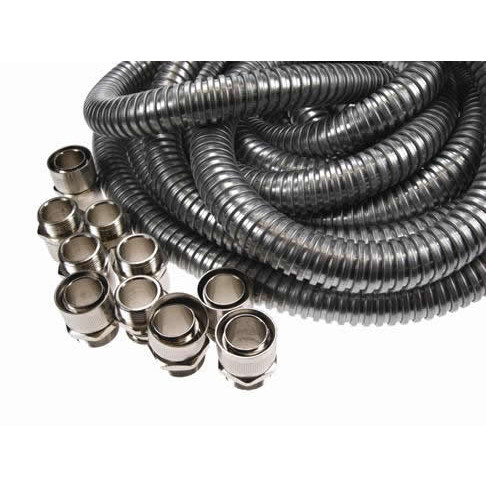
Flexible Conduit: This type of conduit is often used in applications that require flexibility, such as tight spaces or areas prone to movement. It's easier to work with when it comes to repairs but requires proper sealing to prevent leaks.
Rigid Conduit: Common in more industrial or permanent installations, rigid conduits provide robust cable protection. It's harder to bend, but it's designed to withstand the elements and physical damage once installed.
Understanding your type will determine whether you need a simple sealant for a flexible conduit or more robust patching for a rigid one.
Locate the Leak or Damage
Before you can fix anything, you'll need to locate the source of the leak or damage. It could be a small crack, a worn-out joint, or a puncture from external factors like falling debris.
Inspect the entire length of the conduit, paying close attention to the connections, joints, and areas near the ground or entry points, as these are common trouble spots.
Fixing a Leaky or Damaged Flexible Conduit
Flexible conduit repairs are relatively straightforward. Here's how you can patch up that leak:
Step 1: Clean the area around the leak. A clean surface will allow the repair materials to bond correctly.
Step 2: Apply a heavy-duty sealant or silicone adhesive for flexible conduits. These materials create a watertight seal.
Step 3: Wrap the damaged section with a strong weather-resistant tape. Ensure that the tape fully covers the area to keep moisture out.
Step 4: Let the repair cure for at least 24 hours before returning it to service.
Fixing a Damaged Rigid Conduit
Rigid conduits typically require more attention, especially if there'sa crack or break occurs. Here's a basic guide:
Step 1: Cut out the damaged section of the conduit using a pipe cutter or saw.
Step 2: Install a repair coupling or a new section of conduit using appropriate fittings. Ensure the joints are sealed tightly to prevent future leaks.
Step 3: Secure the conduit in place and check for alignment and tightness before reapplying outdoor weatherproofing, such as sealant or tape.
Protecting Your Installation
Once the repairs are made, it's a good idea to take some preventative steps to avoid future leaks or damage:
Use weatherproof sealants: A good weatherproof sealant can be the difference between a durable system and one that needs constant attention, especially for outdoor installations.
Properly position your conduit: Avoid placing conduits in areas prone to extreme wear or external damage.
Regular inspections: Don't wait until there's a problem. Inspect your conduits regularly to catch minor issues before they become big headaches.


FAQs
Can I fix a leaky flexible conduit without replacing it?
Yes, you can use silicone sealant or heavy-duty tape to patch up leaks in flexible conduits without replacing the entire section.
How do I prevent future damage to my outdoor conduit?
Use weatherproofing materials like sealants and place the conduit in less vulnerable locations. Avoid areas that are prone to physical damage or extreme weather.
Should I use a repair coupling for rigid conduit damage?
Yes, repairing coupling is a simple and effective way to fix a damaged section of rigid conduit. Just make sure the coupling fits well and is sealed tightly.
Is flexible conduit more prone to damage than rigid conduit?
Due to its adaptability, flexible conduit is generally more vulnerable to physical damage, but it can be easier to repair. Rigid conduit is tougher but can crack if exposed to certain stresses.
Can I use duct tape to fix a leaky conduit?
While duct tape might work temporarily, it's best to use specialised weather-resistant tape or a silicone sealant for a more durable, long-lasting fix.

Final Thoughts
Fixing a leaky or damaged conduit doesn't have to be a nightmare. Whether you're dealing with a flexible or rigid conduit, a little elbow grease, the right materials, and a few simple steps can keep your outdoor installations functioning properly for years.
If you ever need help sourcing the right tools or materials, don't hesitate to contact us at CMW.
Related Products
