

What Are the Best Practices for OTDR Testing in PON and FTTH Networks?
Posted on: 02/05/2025
OTDR testing plays a crucial role in ensuring the performance and reliability of Passive Optical Networks (PON) and Fibre to the Home (FTTH) installations.
By using an Optical Time Domain Reflectometer (OTDR), network technicians can detect faults, measure attenuation, and assess fibre quality.
But how do you go about it to make sure you’re getting the most out of your OTDR? Here’s a guide to the best practices to follow for effective OTDR testing in PON and FTTH networks.
By using an Optical Time Domain Reflectometer (OTDR), network technicians can detect faults, measure attenuation, and assess fibre quality.
But how do you go about it to make sure you’re getting the most out of your OTDR? Here’s a guide to the best practices to follow for effective OTDR testing in PON and FTTH networks.

Key Tips for OTDR Testing in PON and FTTH Networks
Choose the Right OTDR for Your Network Type
Not all OTDRs are created equal, and using the wrong tool can lead to inaccurate results. For PON and FTTH networks, make sure you select an OTDR that’s optimised for the type of fibre and network you’re testing. Models designed specifically for testing single-mode fibre are ideal, as they’ll provide the sensitivity and resolution needed for accurate testing.
Understand the Fibre Type and Length
The characteristics of the fibre you’re testing will affect the OTDR’s performance. Single-mode fibres in FTTH networks, for instance, require OTDRs that can handle longer distances and higher resolution to detect even small faults. Always account for the fibre’s length and attenuation to ensure that your test results are reliable.
Test at the Right Time
Testing early in the network installation process, before splicing and connectors are added, allows you to catch issues before they become problematic. However, OTDR testing is also important after installation to ensure that everything is performing within specifications. Testing at multiple stages, from the start to the end of the fibre’s lifecycle, will provide a clearer picture of its health.
Use Proper Test Setup and Settings
Be sure to calibrate the OTDR and adjust the settings for the specific fibre and network conditions. For example, reduce the pulse width and increase the averaging time when testing longer fibres. Always follow manufacturer guidelines to ensure that the OTDR is set up for optimal performance.
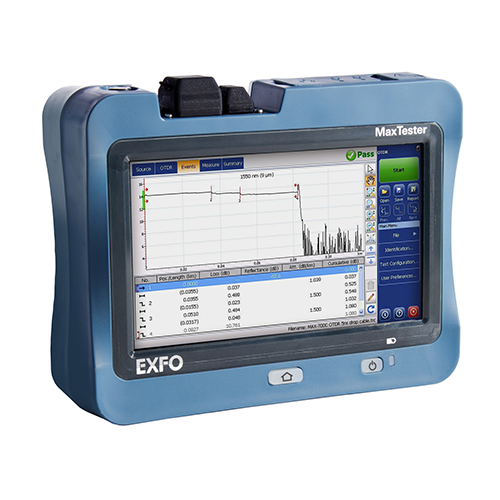
Record and Interpret Data Carefully
After testing, it’s important to review the OTDR data carefully. Look for signs of attenuation, loss, or reflections, which can point to potential faults like poor splices or damaged fibres. Don’t just glance over the results, ensure that each section of the network is analysed to verify its performance.
Test in Both Directions
If possible, test the fibre in both directions. This will give you a more accurate reading and help you identify any issues that might not be visible from just one direction. Testing in both directions is especially important in long-distance networks, where faults could be hidden by other elements.
Minimise Interference
When testing in live PON and FTTH networks, be mindful of external interference that can distort the OTDR results. For instance, active optical components in the network can reflect light back into the OTDR, affecting the accuracy of measurements. Always isolate the fibre being tested to reduce potential interference from other devices.
Perform Routine Maintenance and Calibration
Make sure your OTDR is regularly maintained and calibrated to ensure long-term accuracy. Over time, the instrument may require recalibration to maintain its performance. Scheduling routine maintenance ensures that your tests remain reliable.


FAQs
What is an OTDR, and how does it work?
An OTDR (Optical Time Domain Reflectometer) is an instrument used to test the integrity of optical fibres. It sends pulses of light into the fibre and measures the time it takes for the light to reflect back, helping identify faults or weak spots in the network.
How do I choose the best OTDR for my FTTH network?
Look for an OTDR that supports the specific fibre type in your network (single-mode for FTTH) and has the appropriate measurement range and resolution for long-distance testing.
How can I minimise OTDR test errors?
To minimize errors, ensure your OTDR is calibrated correctly, use the right test settings for your fibre, and avoid external interference from live network equipment during testing.
What are common issues detected during OTDR testing in FTTH?
Common issues include excessive attenuation, faults at splices or connectors, and reflections caused by poorly aligned connectors or bends in the fibre.
How often should I perform OTDR testing on my network?
It’s best to conduct OTDR testing after initial installation, after any network upgrades, and on a routine basis to ensure ongoing performance. Always test when you suspect an issue or before maintenance work begins.

OTDR testing is an essential tool in maintaining the integrity of PON and FTTH networks. By following these best practices, you'll ensure that your network runs smoothly, and your results are spot-on.
Remember: testing isn’t just about finding problems; it’s about preventing them in the first place.
Happy testing, and may your fibre be ever fast and fault-free.
Remember: testing isn’t just about finding problems; it’s about preventing them in the first place.
Happy testing, and may your fibre be ever fast and fault-free.
Related Products
