
Can Velcro Damage Surfaces? How to Safely Apply and Remove It
Posted on: 08/04/2025
Does Velcro Damage Surfaces?
Yes, Velcro can damage surfaces, but it depends on the type of Velcro you're using and where you're sticking it.
If you're using adhesive-backed Velcro, removing it improperly can rip paint, leave residue, or damage delicate surfaces like wood or wallpaper.
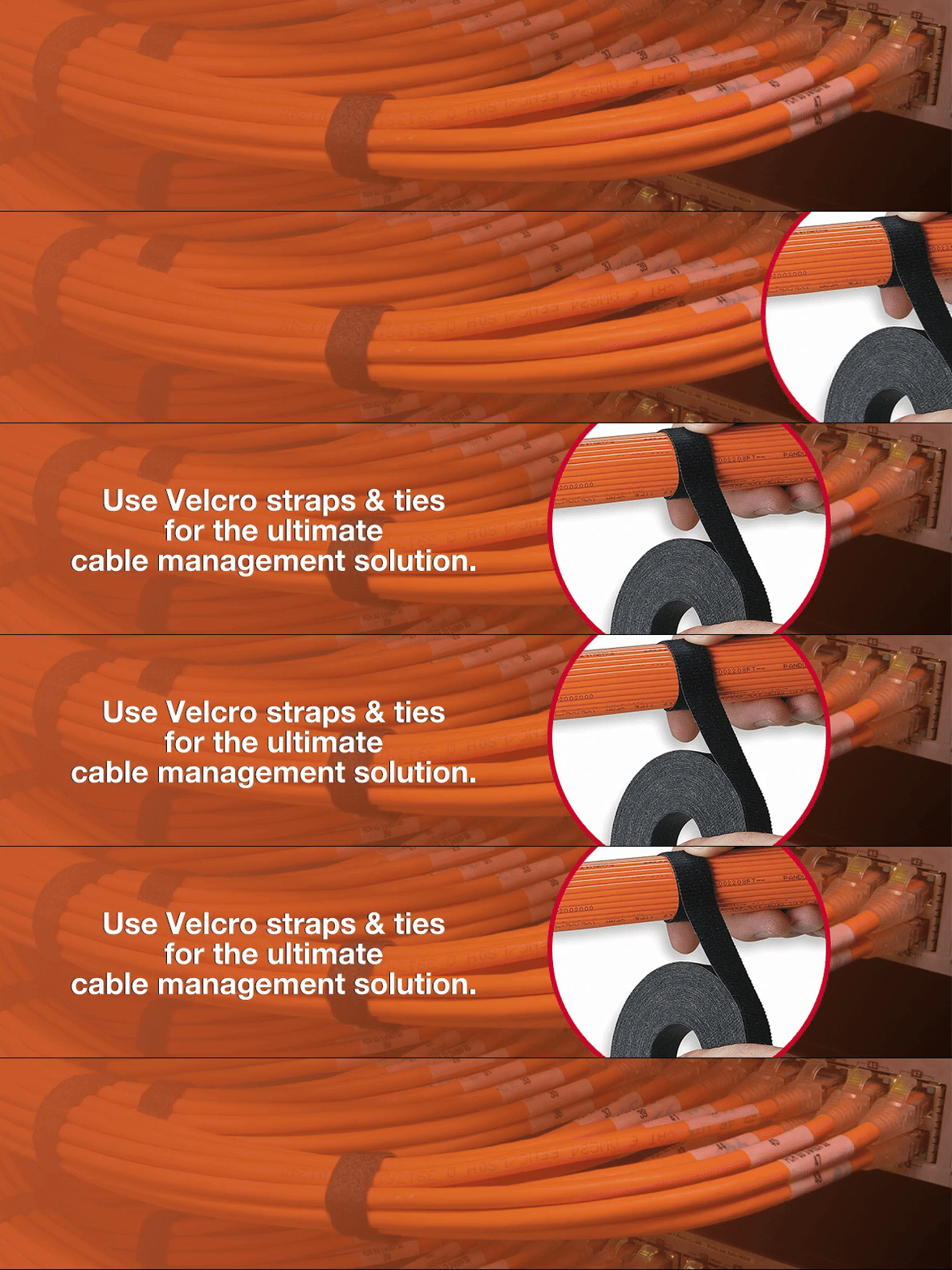
However, hook and loop fasteners without adhesives, such as Velcro wraps or ties, are surface-friendly and reusable, making them ideal for cable management and fastening systems.
So, how do you use Velcro without causing damage? Let's take a look.

How to Apply Velcro Safely
To ensure a secure hold without ruining surfaces, follow these steps:
Choose the Right Type—Not all Velcro is created equal. Opt for low-tack adhesive or Velcro straps instead of permanent adhesive-backed options if you need something temporary.
Clean the Surface: Dust, dirt, and oil can weaken adhesion. Wipe the area with rubbing alcohol before applying Velcro.
Let It Set – Give adhesive Velcro at least 24 hours to cure before putting weight on it. This improves longevity and prevents premature peeling.
Test on an Inconspicuous Area: If you are unsure if it will damage your wall, desk, or panel, stick a small piece in a hidden spot first and see how it reacts.
How to Remove Velcro Without Damage
Removing Velcro the wrong way can lead to frustration (and a messy surface). Here's how to do it properly:
Peel Slowly – Ripping it off too fast can pull up paint or varnish. Instead, lift it gently at a 45-degree angle.
Use Heat. A hairdryer can soften the adhesive backing, making removal smoother. Just don't overdo it—melting Velcro isn't the goal here.
Apply Rubbing Alcohol—If sticky residue remains, dab some rubbing alcohol or an adhesive remover on it and wipe clean.
For Stubborn Residue, a plastic scraper or even the edge of a credit card can help lift any leftover adhesive without scratching surfaces.

Best Uses for Velcro in Cable Management
Velcro fasteners shine in cable management, offering reusability, adjustability, and damage-free organisation. Here are a few examples:
Velcro Straps – Perfect for bundling cables under desks, inside server racks, or along walls without leaving marks.
Adhesive Velcro for Mounting – Stick power strips or small network devices to walls or desks for a clean, clutter-free setup.
Velcro Sleeves – Wrap multiple cables together and keep them accessible while avoiding permanent fixes.

FAQs
Can Velcro damage painted walls?
Yes, adhesive-backed Velcro can strip paint if not removed carefully. Use heat or adhesive remover to minimise damage.
What surfaces does Velcro stick to best?
Velcro adheres well to smooth, clean surfaces like plastic, metal and painted wood. It struggles on rough or dusty surfaces.
Is there a way to reuse adhesive Velcro?
The adhesive backing does not lose its strength once removed. However, Velcro straps and ties are fully reusable.
Can I use Velcro for outdoor cable management?
Yes, but choose industrial-strength Velcro designed for outdoor use, as standard adhesives may weaken with exposure to moisture and UV light.
What's the best alternative if I don't want to use adhesive Velcro?
Velcro cable ties or hook-and-loop wraps are excellent alternatives that won't leave any sticky residue.

Final Thoughts
Velcro is a game-changer for cable management and fastening, but using it correctly is key to avoiding surface damage. By choosing the right type, applying it carefully, and removing it properly, you can enjoy the benefits of Velcro without the frustration of peeled paint or sticky messes.
At CMW, we offer a range of Velcro cable management solutions to keep your workspace neat and organised. Whether you need adhesive Velcro for mounting or reusable ties for bundling cables, we've got you covered. Need help finding the right solution? Get in touch today!
Related Products
