

How do I choose between rigid and flexible conduit?
Posted on: 22/05/2025
It depends on the environment, application, and how much bending you're willing to do—literally. Rigid conduit offers maximum protection and structure, while flexible conduit provides adaptability and ease of installation around obstacles. Choosing the right type comes down to understanding the demands of your project and what will keep your cables safe, secure, and compliant.
Let's take a closer look at how to make the right call.
Let's take a closer look at how to make the right call.

Rigid vs Flexible Conduit: What's the Difference?
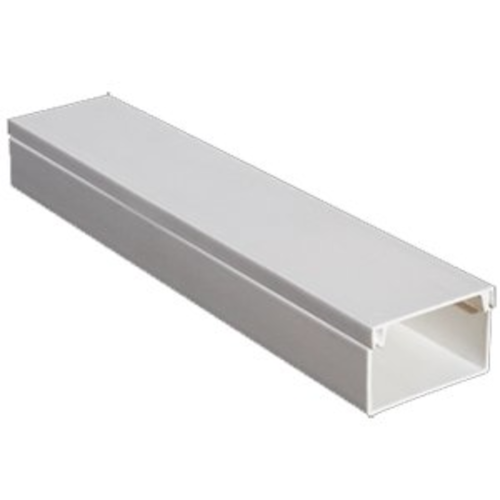
Rigid conduit is typically made from solid, durable materials like steel, PVC, or aluminium. It offers high-impact resistance.
Flexible conduit is often made from plastic or metal. Its coiled construction allows it to bend and twist, making it perfect for tight or awkward spaces.
When to Use Rigid Conduit
You'll want rigid conduit when:
The environment requires maximum mechanical protection (like warehouses or commercial buildings)
You're running cables underground or outdoors and need IP-rated conduit for weather protection.
A neat, structured installation is needed for long, straight cable runs.
You're dealing with conduit systems where everything needs to be locked down with fittings and accessories.
Bonus: Rigid conduit also scores points for being easier to inspect post-installation—it stays right where you put it.
When to Use Flexible Conduit
Flexible conduit comes into its own when:
You're navigating tight corners, bends, or irregular walls.
You must retrofit or modify an existing system without tearing up ceilings or walls.
Vibration is a concern (hello, machinery)
You want quicker conduit installation with less cutting and measuring.
It's like the yoga instructor of cable routing—bendy, adaptable, and always fitting in where it's needed most.


Final Thoughts
Whether you go rigid, flexible, or a clever mix of both, the key is to consider the environment, the route, and how often the system might need to adapt in future. Don't just think about installation, maintenance, protection, and longevity.
When it comes to electrical conduit, it's not just about getting from A to B. It's about getting there safely, smartly, and without a painful reroute six months down the line.
And remember: if your conduit installation resembles a game of Twister, you've probably gone too flexible.

Final Thoughts
Whether you go rigid, flexible, or a clever mix of both, the key is to consider the environment, the route, and how often the system might need to adapt in future. Don't just think about installation, maintenance, protection, and longevity.
When it comes to electrical conduit, it's not just about getting from A to B. It's about getting there safely, smartly, and without a painful reroute six months down the line.
And remember: if your conduit installation resembles a game of Twister, you've probably gone too flexible.
Related Products
