

How do I extend an existing wire mesh basket or cable tray system?
Posted on: 05/06/2025
Extending an existing wire mesh basket or cable tray system is much easier than it sounds. In most cases, all you need is the right connectors, a plan for your routing, and a few essential accessories like tray bends, risers or dividers.
Whether you're adding new runs for data cabling or simply modifying an existing installation, it’s all about keeping your cable management system tidy, accessible, and future ready.
Let’s break down how to do it without giving your installation team a headache and without having to start from scratch.
Whether you're adding new runs for data cabling or simply modifying an existing installation, it’s all about keeping your cable management system tidy, accessible, and future ready.
Let’s break down how to do it without giving your installation team a headache and without having to start from scratch.

Know What You're Working With
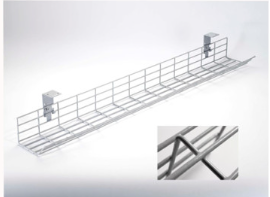
First things first: identify the type of cable tray or wire mesh basket tray already in place.
Galvanised wire mesh tray is common in commercial installs due to its corrosion resistance.
Stainless steel cable tray is ideal for hygiene sensitive or outdoor areas.
Powder-coated cable tray is often chosen for its aesthetic appeal in visible installs.
Matching your extension with the same tray type helps maintain continuity in performance, finish and support load.
The Essentials for Extending Your System
You’ll need a few core components:
Tray Connectors
Join new sections to existing ones using splice connectors or couplers. These often require nothing more than a few bolts and a spirit level.
Tray Bends and Risers
If your route changes direction, you’ll need bends (horizontal or vertical) and risers to maintain tidy routing without stressing cables.
Tray Covers
Protect sensitive cabling from dust or damage, particularly in exposed or industrial areas.
Tray Dividers
Use dividers to separate data and power cables, or to future-proof for additional runs.
Support Systems
From ceiling hangers to wall brackets, make sure your extension is properly supported. Overlooking this is like adding a conservatory with no foundations guaranteed regret.
Plan Your Route
Before reaching for the toolbox, sketch your planned extension. Consider:
Cable volume: Are you adding just a few cables or planning for future expansion?
Bend radius: Don’t crimp cables with tight corners. Risers and large-radius bends help maintain performance.
Access: Will you need to maintain or add to this system in the future? Make it accessible.
This bit might not be thrilling, but poor planning is the fast track to spaghetti cable syndrome.


FAQs
Can I mix different types of cable tray in one system?
It's not ideal. Try to match the material and coating of your existing tray to avoid compatibility and corrosion issues.
What’s the best way to support an extended tray section?
Ceiling drop rods or wall brackets are commonly used. Choose based on the load, environment and length of the extension.
Do I need to use cable tray covers?
Not always, but they’re strongly recommended in dusty, high traffic, or outdoor environments for protection and compliance.
Can I add data and power cables in the same tray?
Yes but use tray dividers to maintain separation. This prevents interference and helps comply with wiring regulations.
How often should I support the tray?
Every 1.5 to 2 metres is standard, but heavier loads or wider trays may require closer intervals.

Final Thoughts
Extending a cable containment system doesn’t need to be daunting. With the right cable support solutions, connectors, and a bit of forethought, your existing wire mesh basket or cable tray system can evolve right along with your project.
And remember taking shortcuts with cable routing might save a few minutes today, but you’ll pay for it later in time, cost, or cable tantrums. Keep it neat, keep it secure, and make sure your future self gives you a pat on the back.
Related Products
