

How to Secure Cables in a Wire Mesh Basket: A Step-by-Step Guide
Posted on: 12/06/2025
If you’re wondering how to secure cables in a wire mesh basket, it’s all about choosing the right cable support solutions and using the correct accessories to keep everything neat, safe, and accessible.
Wire mesh basket trays are popular in data and voice networking because they provide excellent ventilation, flexibility, and ease of access, but without proper securing, cables can get messy and difficult to manage.
Wire mesh basket trays are popular in data and voice networking because they provide excellent ventilation, flexibility, and ease of access, but without proper securing, cables can get messy and difficult to manage.

Why Wire Mesh Basket Trays?
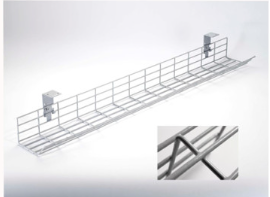
Wire mesh baskets are a form of cable tray that’s lightweight, easy to install, and adaptable to complex routing scenarios. Unlike solid trays, their open structure lets heat dissipate, which is critical for data cabling. They come in various finishes, including galvanised wire mesh trays for corrosion resistance, stainless steel for harsh environments, and powder-coated options for a clean look.
Planning Your Cable Routing
Start by mapping out the cable routes. Consider where tray bends and risers will go to navigate corners or changes in height. Good planning ensures cables won’t be overstressed or kinked, which can cause failures down the line.
Position the Wire Mesh Basket Tray
Install your wire cable basket along the planned path. Make sure it’s securely fixed to the building structure using appropriate brackets or supports. Heavy duty cable trays might require more robust fixings.
Lay the Cables and Organize Them
Place cables inside the tray, grouping them logically based on function or destination. Using tray dividers can help separate power cables from data cables, reducing interference.
Secure the Cables
Here’s where cable containment gets critical. Use cable ties or Velcro straps to bundle cables neatly. Attach these bundles to the basket at regular intervals to prevent movement. For extra security or vibration-prone areas, consider using cable tray covers that protect cables from dust or accidental snags.
Manage Transitions and End Points
At bends, risers, or termination points, ensure cables are supported and secured so they don’t sag or pull-on connectors. Specialised accessories like tray bends and risers help maintain smooth cable routing.
If you think managing cables in a wire mesh basket is like herding cats, remember with the right tools and a bit of patience, even the wildest cable jungle can be tamed.


FAQs
How often should I secure cables inside a wire mesh basket tray?
Cables should be secured at intervals no longer than one metre but always follow manufacturer guidelines for the specific cable types you’re working with.
Can I use cable ties on all types of cables?
Cable ties are versatile but be cautious with delicate data cables, Velcro straps are often better to avoid damaging the cable jacket.
What’s the difference between galvanised and stainless-steel wire mesh trays?
Galvanised trays are coated to prevent rust and are great for indoor or mildly corrosive environments. Stainless steel offers superior corrosion resistance, ideal for harsh or outdoor settings.
Are tray covers necessary?
While not always required, tray covers protect cables from dust, debris, and physical damage, especially in industrial or high-traffic areas.
How do tray dividers help with cable management?
Tray dividers separate cables by type or function, reducing electromagnetic interference and making future maintenance easier.

Final Thoughts
Cable management in wire mesh basket trays doesn’t have to be a headache. With careful planning and the right accessories like tray dividers, cable tray covers, and secure fastening methods, you can keep your installations looking professional and running smoothly for years to come.
Whether you’re an electrician, a data installer, or an electrical wholesaler, mastering cable containment in these versatile trays will save you time and frustration in your projects.
And if all else fails, just remember, even spaghetti gets sorted when you’ve got the right fork.
Related Products
