

What Tools Are Essential for Installing and Testing Network Cables?
Posted on: 11/04/2025
The Essential Tools for Network Cabling Installation and Testing
The right tools are non-negotiable if you're installing and testing network cables.
You need precision, efficiency, and reliability to ensure the cabling infrastructure performs flawlessly.
Whether you're working with fibre or copper cabling, your toolkit should include crimping tools, cable testers, termination kits, and cleaning supplies. The right gear not only makes the job easier but prevents costly mistakes.
Let's break it down by the essentials.
The right tools are non-negotiable if you're installing and testing network cables.
You need precision, efficiency, and reliability to ensure the cabling infrastructure performs flawlessly.
Whether you're working with fibre or copper cabling, your toolkit should include crimping tools, cable testers, termination kits, and cleaning supplies. The right gear not only makes the job easier but prevents costly mistakes.
Let's break it down by the essentials.
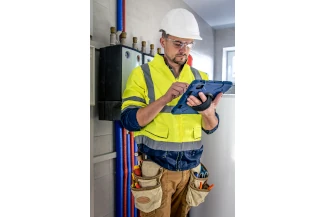
Installation Tools: Setting Up the Network Right
Before you can test anything, you need to install it properly. These tools help with cutting, stripping, and securing cables:
Cable Strippers & Cutters – A must-have for preparing copper and fibre optic cables without damaging the internal wiring.
Crimping Tools – Essential for terminating RJ45 connectors on Ethernet cables, ensuring a secure and conductive connection.
Punch Down Tool – Needed to secure copper cabling into keystone jacks and patch panels.
Fibre Cleaver – A precise cutting tool that ensures a clean cut on fibre optic cables before splicing.
Testing Tools: Ensuring Network Performance
Once installed, cables need to be tested for performance and reliability. Here's what you'll need:
Cable Testers & Certifiers – Devices like the Fluke DSX series confirm that copper cables meet industry standards.
Fibre Optic Power Meter & Light Source – Used to measure signal loss in fibre cabling, ensuring it meets required specifications.
Optical Time-Domain Reflectometer (OTDR) – A must for troubleshooting fibre cables, helping detect faults, splices, and bends.
Tone Generator & Probe Kit – Helps trace and identify specific cables in a crowded bundle.
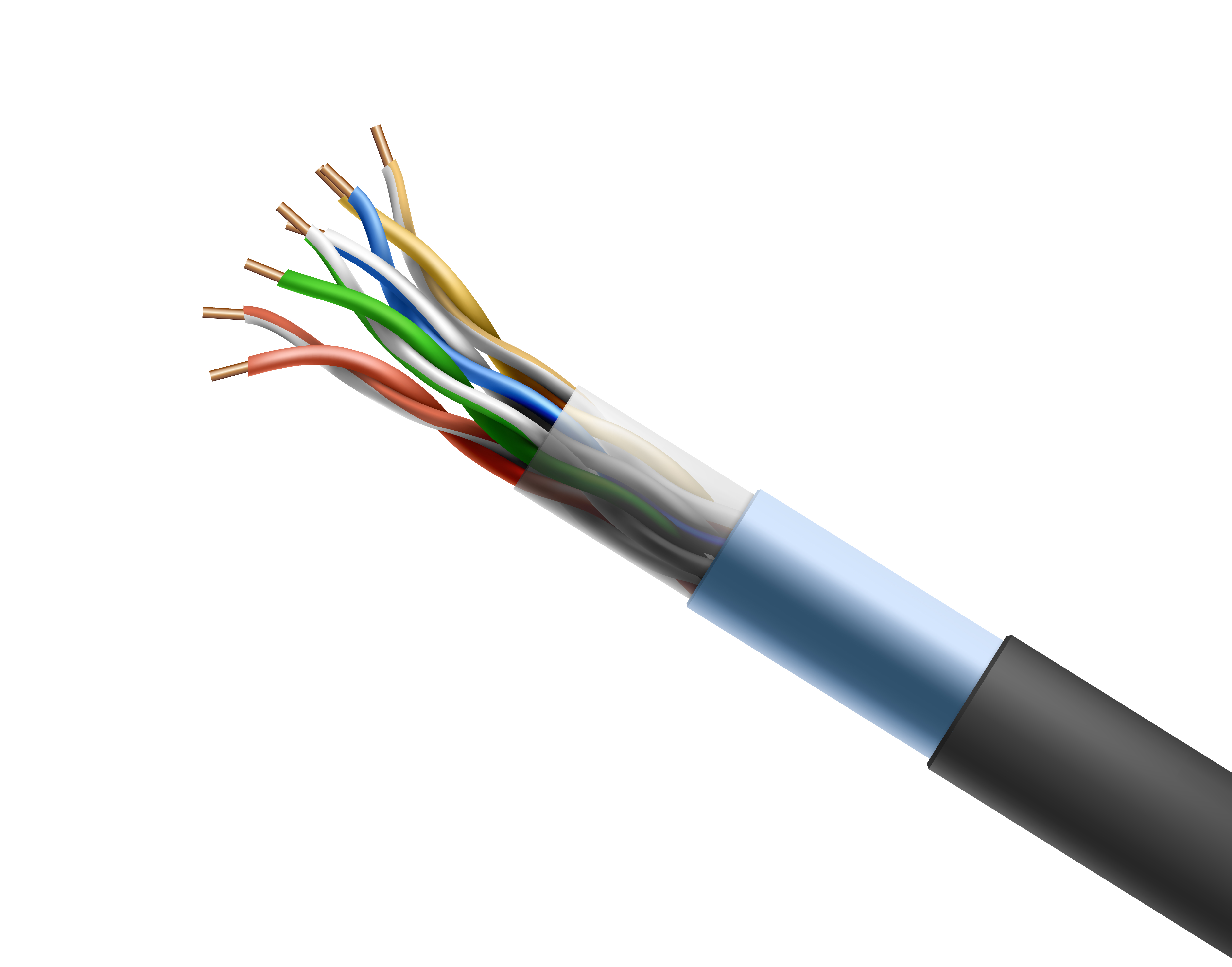
Cleaning & Maintenance: Because Dust is the Enemy
Network performance can suffer from something as small as a dust particle. Keep your cabling infrastructure clean with the following:
Fibre Cleaning Kits – Includes lint-free wipes and isopropyl alcohol to remove contaminants.
One-Click Cleaners – Handy tools for cleaning fibre connectors without disassembly.
Compressed Air & Brushes – Ideal for keeping copper termination points clean and dust-free.
Pro tip: If your tester shows weak signal strength, check for dirty connectors before assuming the worst.
Advanced Tools for Professionals
For large-scale installations, you might need:
Fusion Splicer – For permanently joining fibre optic cables with minimal loss.
Network Analyzers – To assess overall network health, including interference and performance bottlenecks.


FAQs
Do I need different tools for fibre and copper cabling?
Fibre requires precision tools like cleavers and fusion splicers, while copper installations need crimpers and punch-down tools.
Can I install network cables without a tester?
Technically, yes, but it's a bad idea. Testing ensures your installation meets performance standards and avoids future connectivity issues.
What's the best tool for diagnosing cable faults?
A cable certifier is best for copper cabling. For fibre, an OTDR pinpoints faults and breaks with high accuracy.
Are there all-in-one testing tools?
Some advanced testers combine continuity checks, performance certification, and fault detection, like the Fluke Versiv series.
Can I rent high-end testing equipment instead of buying it?
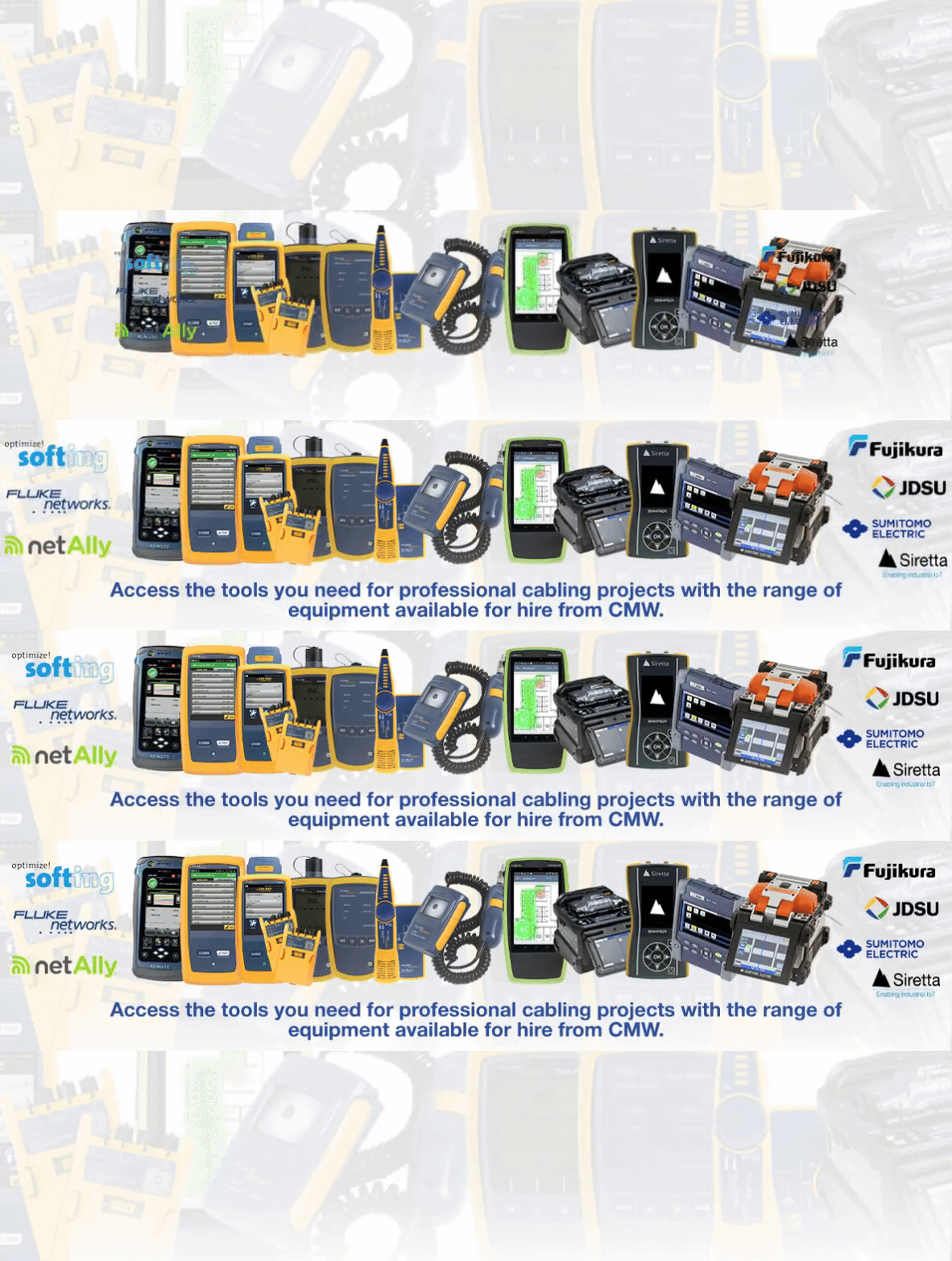
Many companies, including CMW, offer equipment hire, making it cost-effective for short-term projects.
Related Products
