

What’s the Difference Between Cat5e, Cat6, Cat6a, and Cat7 Cables?
Posted on: 19/03/2025
If you're setting up or upgrading your network cabling, you've come across terms like Cat5e, Cat6, Cat6a, and Cat7. The main differences between these cables are speed, bandwidth, and shielding. In short:
Cat5e is a budget-friendly option for basic networking.
Cat6 offers faster speeds and reduced interference.
Cat6a takes it up a notch with better shielding and higher bandwidth.
Cat7 is the high-end choice, but it's often overkill for most setups.
But let's break things down properly because choosing depends on your needs.
Cat5e is a budget-friendly option for basic networking.
Cat6 offers faster speeds and reduced interference.
Cat6a takes it up a notch with better shielding and higher bandwidth.
Cat7 is the high-end choice, but it's often overkill for most setups.
But let's break things down properly because choosing depends on your needs.

Cat5e – The Affordable Workhorse
Cat5e (Category 5 Enhanced) is the most basic option and is still commonly used today. It supports speeds up to 1 Gbps and bandwidth of 100 MHz, which is fine for most home and small business networks.
Best for: General home networking, small office setups, and budget-conscious installations.
Not ideal for: Futureproofing, high-performance applications, or heavy data transfers.
Think of Cat5e as the reliable old banger of network cabling. It'll get you from A to B, but don't expect a smooth ride at top speed.
Cat6 – The Faster, More Reliable Upgrade
Cat6 steps things up with up to 10 Gbps speeds (for short distances) and a bandwidth of 250 MHz. It also has better shielding to reduce crosstalk (signal interference between cables).
Best for: Offices, gaming, video streaming, and businesses that need better performance.
Not ideal for: Long 10 Gbps runs beyond 55m, the speed drops to 1 Gbps.
If Cat5e is the old banger, Cat6 is a reliable hatchback that is faster, more efficient, and can handle more traffic.
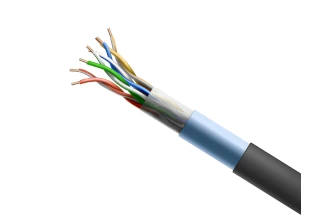
Cat6a – The Sweet Spot for Futureproofing
Cat6a (Augmented) doubles the bandwidth to 500 MHz and maintains 10 Gbps speeds up to 100m. It's also better shielded, making it ideal for environments with high interference.
It is best for large businesses, high-speed applications, and installations that need to last.
Not ideal for: Cost-sensitive projects Cat6a is thicker, more complicated to install, and pricier.
Cat6a is like a well-built estate car: robust, futureproof, and ready for heavy-duty use.
Cat7 – The High-End Choice (But Do You Need It?)
Cat7 is a fully shielded cable supporting 10 Gbps speeds and 600 MHz bandwidth. It has stricter specifications for crosstalk and signal integrity, making it great for data centres.
Best for: High-security applications, data centres, and specialist networking needs.
It is not ideal for general use. Cat7 is expensive, overkills most setups, and requires GG45 connectors instead of standard RJ45.
Cat7 is a luxury sports car that is great if you need the best, but most people don't.

FAQs
Is Cat7 backwards compatible with Cat6 and Cat5e?
Yes, but you may need adapters or special connectors. If you're mixing cables, the slowest one will limit you.
Can I use Cat6a instead of Cat6?
It's an upgrade in every way. Just be prepared for thicker cables and a slightly stricter installation.
Do I need Cat7 for my home network?
Unlikely. Cat6a is more than enough for gaming, streaming, and smart home setups.
How long can I run Ethernet cables before losing performance?
Most cables maintain their rated speed up to 100m, but Cat6 drops to 1 Gbps after 55m. If you need longer runs, consider fibre optic solutions.
Which cable is best for PoE (Power over Ethernet)?
Cat6 and Cat6a are the best choices due to their thicker conductors, which reduce resistance and improve power delivery.

Final Thoughts
When choosing a network cable, consider your current needs, plans, and budget. Cat6a strikes the best balance between cost, performance, and futureproofing for most installations.
If you're setting up a home network, Cat5e or Cat6 will do the job. Cat7 is unnecessary unless you're running a data centre.
Related Products
