

Why is my conduit difficult to bend without cracking?
Posted on: 10/03/2025

Why Does Flexible Conduit Crack?
Flexible conduit is made from materials like PVC or metal, and while it's designed to flex and bend, it can still crack if it's not handled correctly. Several factors can contribute to cracking:
Excessive Force: If you try to bend it too tightly or with too much pressure, it might split or crack.
Improper Temperature: Flexible conduit is temperature sensitive. Extreme cold can make it brittle, while heat can soften it and cause it to lose shape.
Low-Quality Conduit: Not all flexible conduits are created equal. Lower-quality materials are more likely to crack or break under stress.
Solution:
Use the proper tools for bending flexible conduit, and always ensure you bend within the manufacturer's recommended radius to prevent cracking. If you're dealing with cold weather, consider warming the conduit slightly to make it more pliable.
Why Does Rigid Conduit Crack?
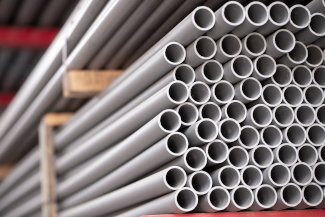
Unlike flexible conduits, rigid conduits (such as EMT or PVC) are less flexible, so it's easier to snap or crack if you don't follow proper bending techniques. A common reason for cracking is improper bending tools or too tight a bend, especially when using cheap or mismatched fittings.
Solution:
Rigid conduit can be bent with the right tools, typically a conduit bender designed for the specific diameter. To achieve smooth, even bends, follow the correct guidelines for each type of c bend.
Tips for Preventing Cracking in Both Types of Conduits
Choose the Right Conduit: It is essential to select flexible or rigid conduit that suits your installation needs. Sometimes, flexible conduits are better for tight spaces, while rigid conduits are preferable for larger areas.
Use the Right Tools: Invest in a conduit bender for rigid conduit and a pipe bender for flexible conduit to avoid applying excessive force. For flexible conduits, consider using a bending spring or a pulling tool to make curves more uniform.
Bend Gradually: For both types of conduits, avoid sharp bends. Instead, gradually bend the material to prevent it from kinking or cracking.
Control Temperature: If working in extreme temperatures, either warm the conduit (for colder environments) or cool it down (in warmer environments) to prevent brittleness or excessive softness.


FAQs
Can I bend flexible conduits without special tools?
Yes, but you should still bend it gently by hand or use a bending spring to achieve a smoother curve and avoid damaging the conduit.
What is the best method for bending rigid conduit without cracking it?
The best method is to use a conduit bender designed for the size of the conduit you're working with. Ensure the bends are gradual and avoid over-bending.
Is there a difference between PVC and metal flexible conduit when it comes to bending?
Yes, the flexible metal conduit is generally more durable and resistant to cracking but may be harder to bend without specialised tools. PVC flexible conduit is lighter but more prone to cracking if bent too sharply.
Can the quality of the conduit impact its flexibility?
Yes, low-quality conduit is more likely to crack or fail when bent. Always choose a high-quality conduit that suits your installation environment and needs.
Does conduit cracking affect the cable inside?
Cracked conduit can expose the cables inside to damage, moisture, or external forces. Preventing cracking is important to protect the integrity of the cables and the overall installation.

Final Thoughts
So, why is your conduit challenging to bend without cracking?
It all comes down to materials, tools, and techniques. You can avoid cracking and ensure a more durable and reliable cable management installation with the right approach.
Whether you're working with flexible or rigid conduit, these tips will make your job a little easier (and hopefully with fewer cracked pipes).
At CMW, we have the tools and expertise to help you handle all your conduit and cable management needs—no cracking required.
Related Products
