

Why is my conduit not meeting local building code requirements?
Posted on: 17/04/2025
If your Conduit doesn't meet local building code requirements, it's likely due to the type of Conduit used, how it's initiated, or a combination of both.
Building codes ensure safety, performance, and compliance, so cutting corners (even unintentionally) can lead to failed inspections, delays, or, worse, costly do-overs.
Let's examine the common issues and show you how to comply with the regulations without losing your mind or project timeline.
Building codes ensure safety, performance, and compliance, so cutting corners (even unintentionally) can lead to failed inspections, delays, or, worse, costly do-overs.
Let's examine the common issues and show you how to comply with the regulations without losing your mind or project timeline.
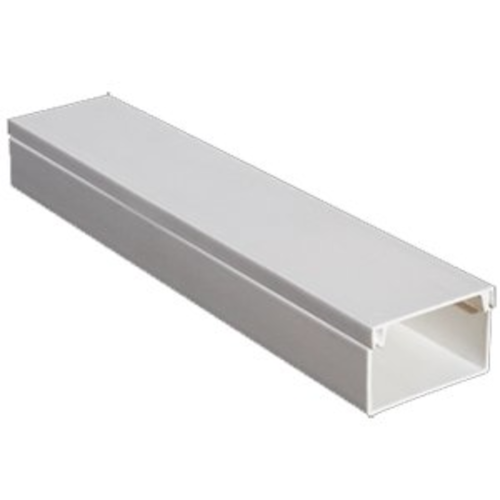
Common Code Offenders: What's Wrong?
Using the Wrong Type of Conduit
Not all Conduit is created equal. Some materials are suited for indoor use only, while others are designed to withstand harsh environments. For instance:
Flexible Conduit is ideal for tight bends and temporary setups, but using it outdoors without proper protection is a That'sag.
A rigid Conduit (especially galvanised) is perfect for structural strength and outdoor use but must be adequately grounded.
Galvanised Conduit offers corrosion resistance, but local codes often require specific fittings and sealing techniques.
It's not. It's what you use. It's where's how you use it.
Incorrect Sizing or Overfilling
Filling a Conduit like it's a saint's casing? Don't. CoDon typically states that the Conduit fills shouldn't be 0% of its capacity. This allows for:
Adequate ventilation
Heat dissipation


FAQs
Can I use a flexible Conduit outdoors?
If it's suitable for outdoor use and properly protected against UV and moisture, most flexible conduits aren't suitable for long-term outdoor applications without additional shielding.
How far apart should conduit supports be installed?
It varies: rigid galvanised should be supported every 3 metres, flexible Conduit every 1.5 metres or less depending on your local code.
Do I need to ground my metal conduit?
Absolutely. Metal conduits like galvanised steel must be bonded and grounded properly to prevent electrical hazards.
Can I mix conduit types in one run?
Yes, but you must correct transition fittings. Mixing without proper connectors violates the code and can compromise safety.
What happens if I overfill my Conduit?
Besides violating code, it can lead to overheating, physical damage to cables, and poor signal performance. Stick to the 40% fill rule unless your code says otherwise.

Wrapping it up
Meeting code requirements isn't just about avoiding red tape. It's about reliable and professional installs. At CMW, we help data installers, electricians, and wholesalers get it right the first time. Whether you're afyou'reexible Conduit, rigid metal options, or just a bit of honest advice, we've gotwe'vestock and the know-how.
Because nothing says 'fun Frid'y' like pulling cables twice.
Related Products
