

Can a Fusion Splicer Be Used for Single-Mode and Multimode Fibres?
Posted on: 16/01/2025
The short answer? Yes, a fusion splicer can handle both single-mode and multimode fibres.
But let’s unpack that a bit because there are a few key details you’ll want to understand before jumping into a splicing job. (Spoiler: It’s not magic, but it might feel like it when you get it right). The type of fibre you’re working with will influence the splicing process and the equipment settings required. Single-mode fibres, for example, have a smaller core diameter, which demands greater precision during alignment compared to multimode fibres.
Investing time to calibrate your splicer and clean the fibre ends properly can make all the difference in achieving a seamless, low-loss connection.

Single-Mode vs. Multimode Fibres: What’s the Difference?
First off, let’s cover the basics:
Single-Mode Fibres
- These have a tiny core (about 8-10 microns).
- They’re built for long-distance communication and high-speed data transfer.
- Think telecommunications and data centres.
Multimode Fibres
- These have a larger core (50 or 62.5 microns).
- Best for short distances, like within buildings or campuses.
- Often used in LANs (Local Area Networks) or small data installations.
The difference in core size is important because it directly affects how the fusion splicer aligns and fuses the fibres.
How Do Fusion Splicers Handle Both?
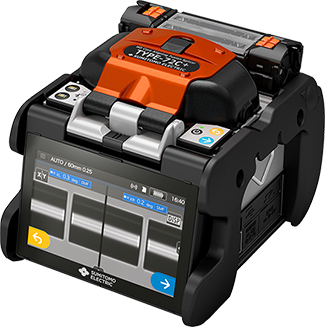
Fusion splicers are designed to align and melt fibre ends together to create a strong, low loss connection. Modern splicers can handle both single-mode and multimode fibres, but here’s what you need to know:
Alignment Matters
- For single-mode fibres, precision is key because of the small core size.
- Multimode fibres are a bit more forgiving, but proper alignment still reduces signal loss.
Splicing Settings
Most splicers let you switch between single-mode and multimode settings. This optimises the process for the type of fibre you’re working with.
Good Cleaving is Critical
Regardless of the fibre type, a clean cleave is half the battle. Poorly cleaved fibres mean higher splice losses.
Single-Mode vs. Multimode Fibres: What’s the Difference?
First off, let’s cover the basics:
Single-Mode Fibres
- These have a tiny core (about 8-10 microns).
- They’re built for long-distance communication and high-speed data transfer.
- Think telecommunications and data centres.
Multimode Fibres
- These have a larger core (50 or 62.5 microns).
- Best for short distances, like within buildings or campuses.
- Often used in LANs (Local Area Networks) or small data installations.
The difference in core size is important because it directly affects how the fusion splicer aligns and fuses the fibres.
How Do Fusion Splicers Handle Both?
Fusion splicers are designed to align and melt fibre ends together to create a strong, low loss connection. Modern splicers can handle both single-mode and multimode fibres, but here’s what you need to know:
Alignment Matters
- For single-mode fibres, precision is key because of the small core size.
- Multimode fibres are a bit more forgiving, but proper alignment still reduces signal loss.
Splicing Settings
Most splicers let you switch between single-mode and multimode settings. This optimises the process for the type of fibre you’re working with.
Good Cleaving is Critical
Regardless of the fibre type, a clean cleave is half the battle. Poorly cleaved fibres mean higher splice losses.

FAQs
Can a single fusion splicer work for both single-mode and multimode fibres?
Yes, most modern fusion splicers can handle both types of fibres by allowing you to switch between settings tailored for single-mode and multimode fibres.
What is the main difference between single-mode and multimode fibres?
Single-mode fibres have a smaller core (8–10 microns) and are ideal for long-distance communication. Multimode fibres have a larger core (50 or 62.5 microns) and are better suited for short-distance installations.
How does core size affect splicing?
The smaller core of single-mode fibres requires greater precision during alignment, while multimode fibres are slightly more forgiving but still benefit from proper alignment to minimise loss.
What are the key tools needed for successful fibre splicing?
Essential tools include a fusion splicer with core alignment technology, a high-quality cleaver for clean cuts, and testing equipment like an OTDR or power meter to verify splices.
Why is cleaving important in fibre splicing?
A clean cleave ensures proper alignment and minimal splice loss, making it one of the most critical steps in the splicing process.

Final Thoughts
So, can a fusion splicer be used for both single-mode and multimode fibres? The trick is knowing how to adjust your tools and techniques to suit the fibre type you’re working with. It’s not rocket science, but it does take a bit of care and attention to detail.
Whether you’re a seasoned installer or tackling fibre work for the first time, understanding these fundamentals will set you up for success. And remember, if all else fails, at least your splicer won’t judge you for reading the manual we’ve all been there.
