

Why did the lock mechanism melt or fail during a fire rating test?
Posted on: 14/05/2025
So, why did the lock mechanism melt or fail during a fire rating test?
Simple answer? Because it wasn’t designed to survive the heat.
When a fire rated access panel goes through a rigorous fire test, whether it’s for 1 hour or 2 hours, every component is put to the test, including the lock.
If the lock isn’t made of fire-resistant materials, or isn’t insulated properly, it can warp, melt, or even pop open under pressure. And that’s a big fail.
Understanding Fire Rating Tests
Fire rating tests simulate real fire conditions to see how long a product can resist the spread of flames and heat. For access panels, this means:
Maintaining structural integrity
Preventing the spread of smoke and fire
Remaining securely closed
Not All Locks Are Created Equal
Just because the panel is fire rated doesn’t mean every part of it is.
Some manufacturers use standard locks or budget mechanisms that aren’t rated for high heat. And under test conditions, those locks can:
Melt and lose shape
Fail to stay latched
Compromise the fire barrier
That’s a bit like fitting your fire door with a plastic handle — looks good, until it’s game time.
What Makes a Lock Fire-Resistant?
Material – Heat-resistant metals or composites are essential.
Placement – Recessed or protected locations reduce exposure.
Fire Seal Integration – Intumescent seals expand with heat to close gaps.
Insulation – Shields around the lock reduce direct heat exposure.
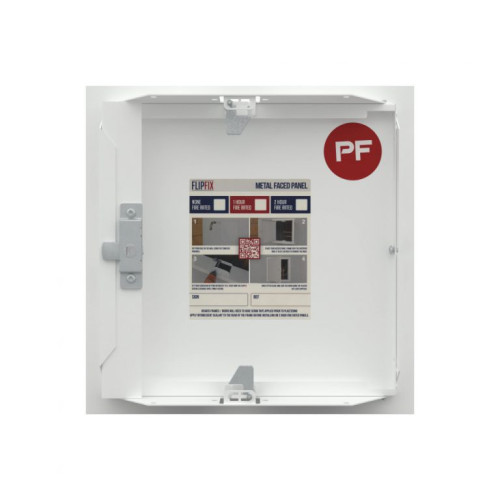
Choosing the Right Fire Rated Panel
When selecting fire rated access panels, inspection panels, or fire rated hatches, ask about:
Certification details (BS 476, EN 1364, or UL standards)
Independent fire test results
Locking mechanism specs
Availability of 1- or 2-hour fire rated options
For installations in ceilings or walls, especially in data centres or electrical risers, you want panels that actually do what they say on the tin.

FAQs
Can I upgrade the lock on my fire rated access panel?
In some cases, yes, but only with locks that are tested and approved for the same fire rating as the panel itself. Check with the manufacturer first.
Are fire-rated wall access panels different from ceiling ones?
They can be. Ceiling panels often require additional support or insulation to pass fire tests from below. Always choose the right spec for your install type.
How do I know if a panel is truly fire rated?
Look for certifications and third-party test reports. Don’t just take the label’s word for it.
What happens if the panel door pops open during a fire?
It compromises the integrity of the fire barrier and could allow flames or smoke to pass, potentially breaching compliance and safety.
Can access doors be both fire-rated and aesthetically discreet?
Absolutely. Many fire-resistant access panels now come with flush finishes, paintable surfaces, and invisible frame designs without sacrificing performance.
Final Thoughts
A failed lock mechanism isn’t just a technical issue, it’s a safety risk.
In the world of data and voice networking installations, especially for installers and electricians working in sensitive environments, a fire tested access panel that actually holds under pressure is non-negotiable.
So next time you’re shopping for a fire rated access door, don’t forget to ask: what about the lock?
Related Products
