

What’s the Best Way to Protect Cables from Environmental Damage?
Posted on: 21/05/2025
The best way to protect cables from environmental damage is to choose the right cable type for the environment and use proper containment systems like conduits, trunking, and weather-resistant enclosures.
It’s about pairing the right products with the right protection because your cabling infrastructure deserves more than just a “that’ll do” approach.
Whether you're installing fibre optic cabling in a dusty warehouse or laying copper cabling outdoors, ignoring environmental threats can lead to performance drops, safety issues, and costly downtime.
It’s about pairing the right products with the right protection because your cabling infrastructure deserves more than just a “that’ll do” approach.
Whether you're installing fibre optic cabling in a dusty warehouse or laying copper cabling outdoors, ignoring environmental threats can lead to performance drops, safety issues, and costly downtime.

Why Environmental Protection Matters
Structured cabling doesn’t live in a vacuum (unless you’re working at NASA). It runs through ceilings, walls, floors, plant rooms, and even outdoors exposing it to:
Moisture and water ingress
UV radiation from sunlight
Physical impact and abrasion
Chemical exposure
Rodents (they really love chewing data cabling)
Extreme temperatures
Each of these can degrade performance, reduce lifespan, or make your installation non-compliant. Yikes.
Smart Ways to Shield Your Cabling
Here’s how to protect your network, data, and low-voltage cabling—without wrapping it in bubble wrap (tempting as that may be):
Use the Right Cable Jackets
Choose cables with jackets designed for the conditions:
LSZH (Low Smoke Zero Halogen): Great for indoor use and high-safety environments.
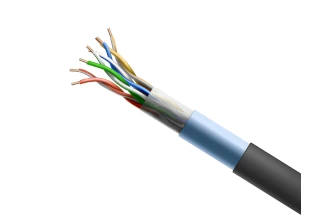
PE or PVC jackets: Often used for outdoor or duct installations.
Armoured fibre or copper cables: For protection against impact or rodents.
A solid physical barrier goes a long way. Options include:
Flexible conduit for tricky spaces
Rigid trunking for tidy, secure routes
Weatherproof enclosures for outdoor terminations
Bonus: it also looks professional. And we love a tidy install.
Avoid water pooling and accidental foot traffic by using:
Cable trays
Basket systems
Underfloor access solutions with brush seals
Good documentation helps identify issues quickly and prevents someone accidentally drilling through your carefully planned cable routes.
Especially in harsh environments or external runs. A quick check every few months could save hours of re-pulling damaged lines.
Armoured fibre or copper cables: For protection against impact or rodents.
Install Conduit or Trunking
A solid physical barrier goes a long way. Options include:
Flexible conduit for tricky spaces
Rigid trunking for tidy, secure routes
Weatherproof enclosures for outdoor terminations
Bonus: it also looks professional. And we love a tidy install.
Keep Cables Off the Ground
Avoid water pooling and accidental foot traffic by using:
Cable trays
Basket systems
Underfloor access solutions with brush seals
Label and Plan Like a Pro
Good documentation helps identify issues quickly and prevents someone accidentally drilling through your carefully planned cable routes.
Regular Inspections & Maintenance
Especially in harsh environments or external runs. A quick check every few months could save hours of re-pulling damaged lines.

FAQs
What’s the most common environmental threat to cables?
Water ingress is one of the most damaging, especially for outdoor or underground cabling. It can cause short circuits, corrosion, and signal loss.
Should I use the same cable for indoor and outdoor use?
Not unless you enjoy replacing cables! Always use outdoor-rated cable for external runs—look for UV resistance and waterproofing.
Can I run fibre optic cables without conduit?
Technically yes, but it’s risky. Even a small nick or bend can affect performance. Conduit adds a layer of protection you won’t regret.
What protection works best in warehouses or industrial settings?
We recommend rigid trunking or armoured cable in high-traffic or machinery-heavy areas, along with elevated cable trays to keep things safe and clean.
Do rodents really chew through data cabling?
Yes, and they’re not picky. Rodent-proof conduit or steel wire-armoured cables are your best defence. 
Related Products
