
Why am I getting signal loss over long cable runs?
Posted on: 19/05/2025
The short answer? Signal loss, or attenuation, happens when your cabling infrastructure exceeds recommended length limits or isn't correctly designed for the application.
Whether running fibre optic cabling through a data centre or stretching copper cabling across a warehouse, longer distances introduce resistance, interference, and degradation.
The result? Weak or unreliable signals that slow down your network or drop the connection entirely. Not ideal.
Let's break it down a bit more.
Whether running fibre optic cabling through a data centre or stretching copper cabling across a warehouse, longer distances introduce resistance, interference, and degradation.
The result? Weak or unreliable signals that slow down your network or drop the connection entirely. Not ideal.
Let's break it down a bit more.

The Science-y Stuff (Without Getting Too Nerdy)
Every type of data cabling, copper, fibre optic, or otherwise, has a maximum recommended length before signal quality drops. This isn't just a suggestion from the cabling fairy. It's based on physics:
Copper cabling (Cat5e, Cat6, etc.): Max distance is usually 100 metres.
Fibre optic cabling: Can stretch much further, up to several kilometres, depending on the type (single-mode or multimode) and equipment used.
If you go beyond these limits or use low-quality cables, you practically invite signal loss for a cup of tea.
What Causes Signal Loss?
Let's look at the usual culprits:
Excessive cable length
Poor-quality cables or connectors
Too many joins or terminations.
Electromagnetic interference (EMI) near power sources
Bends, kinks, or physical damage to cables
Improper installation practices
When to Use Fibre Instead of Copper
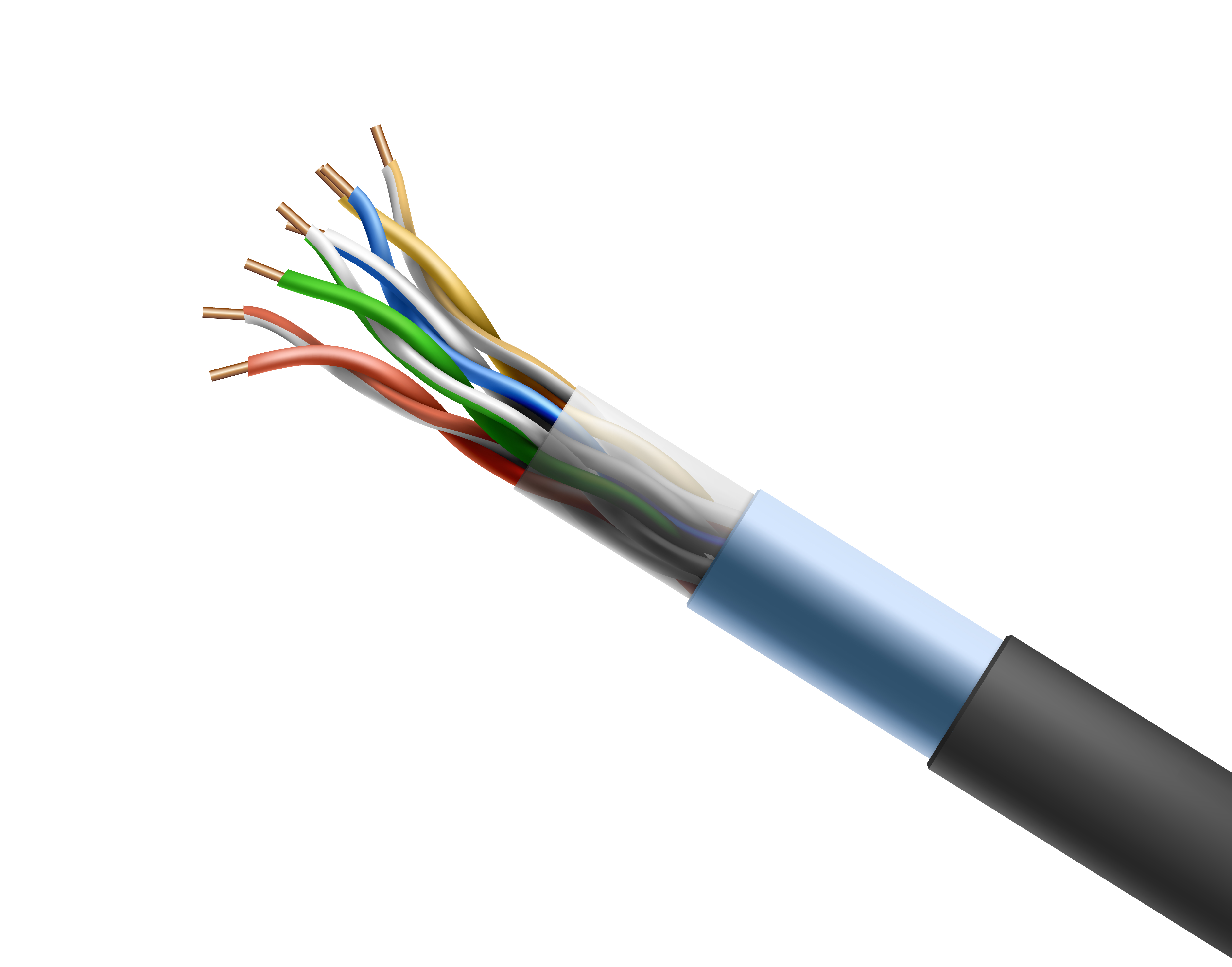
If your network cabling needs to go the distance (literally), fibre optic cabling is your friend. Here's why:
Longer reach without signal degradation.
Resistant to EMI, perfect for industrial environments
Higher bandwidth for futureproofing
Just remember that fibre isn't always plug-and-play. You may need additional kit, such as splicing tools, media converters, or transceivers.

FAQs
How far can I run Cat6 without signal loss?
You should stay within 100 metres. Anything longer risks attenuation unless you use repeaters or switch to fibre.
Can I mix copper and fibre in one installation?
Yes, but you'll need media converters or switches with fibre ports to bridge the two.
Does coiling excess cable affect the signal?
Yes, especially in copper. Coiling can introduce interference and degrade performance.
What's better for long cable runs, single-mode or multimode fibre?
Single-mode fibre is ideal for long distances (over 2km), while multimode is better for shorter, high-speed applications.
Can I use signal boosters or extenders instead of upgrading to fibre?
You can, but they're not always a perfect fix. Fibre is often the cleaner, more reliable long-term solution.

Final Thoughts
Signal loss over long cable runs is a common issue in network cabling, but it can be easily avoided with the right knowledge and planning.
Whether working with low-voltage cabling in a residential install or managing the structured cabling infrastructure for a large business, keeping distances in check and knowing when to add fibre can save you from connectivity headaches.
Related Products
