

Do Patch Cord Adapters Affect the Accuracy of My Test Results?
Posted on: 25/04/2025
Short answer? Yes, they absolutely can.
Patch cord adapters play a crucial role in network testing, and using the wrong type or one in poor condition can lead to inaccurate results. Whether you're testing copper or fibre optic cables, the connection quality between your tester and the network matters.
That's why brands like Fluke Networks emphasise using manufacturer-approved adapters for reliable and repeatable results.
So, how do patch cord adapters impact accuracy, and what can you do to ensure your test results are spot on?
Patch cord adapters play a crucial role in network testing, and using the wrong type or one in poor condition can lead to inaccurate results. Whether you're testing copper or fibre optic cables, the connection quality between your tester and the network matters.
That's why brands like Fluke Networks emphasise using manufacturer-approved adapters for reliable and repeatable results.
So, how do patch cord adapters impact accuracy, and what can you do to ensure your test results are spot on?

How Patch Cord Adapters Affect Testing Accuracy
Patch cord adapters can impact accuracy in several ways, including:
Insertion Loss & Return Loss
Every connection in a network introduces insertion loss (signal reduction) and return loss (signal reflection). A poor-quality adapter can increase both, leading to failed tests or misleading pass results.
Connector Wear & Contamination
Adapters experience wear over time, especially if they're frequently plugged and unplugged. Dirt, dust, or even slight misalignment can cause unexpected failures. Fluke Networks recommends cleaning and inspecting adapters before every test.
Mismatch Between the Adapter and Test Standard
Not all adapters are created equal. Using a Cat5e patch cord adapter for a Cat6A test? You might introduce errors that weren't even there. Always match your adapters to the required test standard.
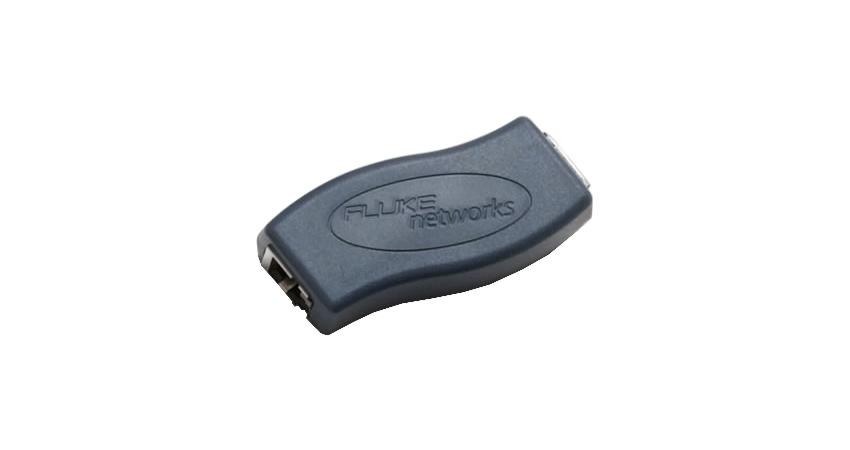
Fibre Testing & OTDR Performance
Launching and receiving cables are crucial in getting accurate OTDR results in fibre optic Testing. The wrong adapter or connection can lead to inaccurate event loss measurements.
How to Ensure Accurate Test Results
Want to avoid false readings and costly troubleshooting? Here's what you can do:
Use Manufacturer-Approved Adapters – Fluke Networks and other top brands design adapters specifically for their testers. Stick to trusted sources.
Inspect and clean Before Testing. A simple fibre inspection scope or a quick wipe with a lint-free cloth can prevent misleading failures.
Replace Worn-Out Adapters – If your adapter looks battered, it's time for a new one. A faulty adapter could be the weak link in your test setup.
Match Adapters to Your Test Standard – Using an adapter rated for your cable category ensures accuracy and compliance.
Verify with Reference Tests—If the results seem off, run a quick verification with a known-good setup before assuming the cable is faulty.


FAQs
Can I use any patch cord adapter for Testing?
Not recommended. Using the wrong adapter can introduce errors. Always use manufacturer-approved adapters suited to your cable type.
How often should I replace patch cord adapters?
It depends on usage, but if you notice inconsistent results or physical wear, it's time for a replacement. Regular inspections help extend their lifespan.
Does Fluke Networks recommend specific adapters for Testing?
Yes. Fluke Networks provides adapter kits designed for their testers, ensuring accurate and repeatable results.
Can dirty adapters cause test failures?
Absolutely. Dust and debris can interfere with connections, leading to misleading failures. A quick clean before Testing can save you a headache.
What launch and receive cables should I use with my OTDR?
It depends on your application, but high-quality launch and receive cables matched to your test wavelength and fibre type are essential for accurate OTDR measurements.

Related Products
