

How to Choose the Right Equipment for Your Fibre Cabling Needs
Posted on: 04/03/2025
Introduction
Fibre cabling is the backbone of modern communication infrastructure, delivering unparalleled speed and reliability—however, the success of any fibre optic installation hinges on selecting the right equipment for the job. With a wide array of tools and technologies available, it can be overwhelming to know where to start. This guide will walk you through the key considerations for choosing the best equipment for your fibre cabling needs.
Understand Your Project Requirements
Before diving into the specifics of equipment, outline your project's scope. Consider the following:
Type of Fibre: Are you working with single-mode or multi-mode fibre?
Network Size: Is this for a small local setup or a large-scale deployment?
Environment: Will the cables be installed indoors, outdoors, or in a challenging environment?
These factors will influence the type of tools and testing equipment you need.
Invest in Quality Installation Tools
Proper installation is critical for optimal performance. Here are essential tools:
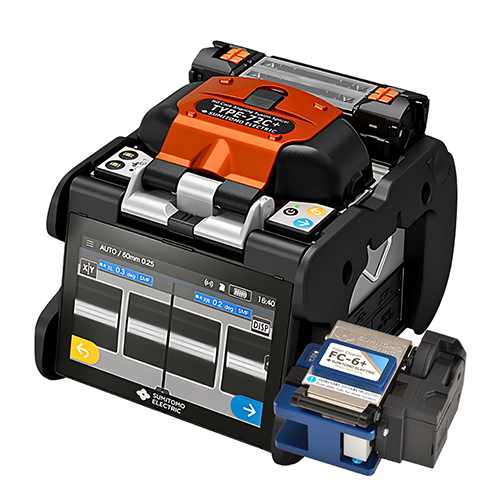
Fusion Splicers: For joining fibre, it ends with minimal signal loss.
Cable Strippers: To prepare cables without damaging the fibres inside.
Cleavers: For creating precise, clean cuts on fibre ends.
High-quality tools may cost more upfront but reduce downtime and maintenance costs in the long run.
Choose Reliable Testing Equipment
Testing is vital to ensure the integrity and performance of your fibre network. Key equipment includes:
Optical Time Domain Reflectometers (OTDRs): Diagnosing faults, verifying splices, and ensuring proper signal transmission.
Power Meters and Light Sources: To measure signal loss and verify proper installation.
Visual Fault Locators (VFLs): For identifying breaks or bends in the fibre.
Selecting reliable brands like EXFO or Fluke Networks can make all the difference in your testing accuracy.
Don't Overlook Cleaning and Maintenance Tools
Dust and contaminants are the enemies of fibre optic performance. Essential cleaning tools include:
One-Click Cleaners: These are for quick and efficient cleaning of connectors.
Lint-Free Wipes and Cleaning Solutions: To remove stubborn debris.
Compressed Air: For cleaning inaccessible areas.
Proper cleaning practices extend the life of your fibre infrastructure and prevent network issues.
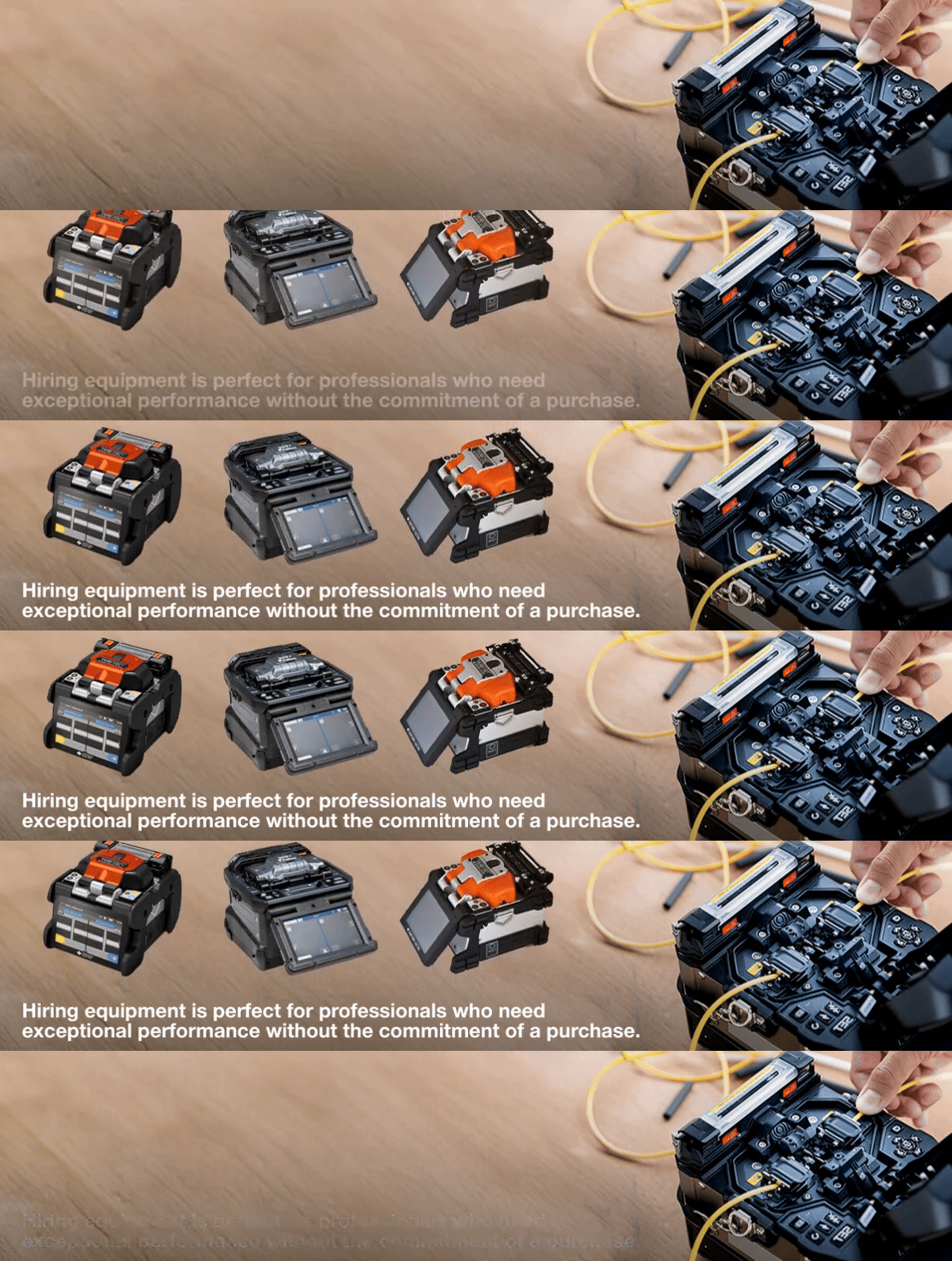
If you're tackling a one-off project or a short-term installation, renting tools like OTDRs and fusion splicers might be more cost-effective than purchasing them outright. Many suppliers offer flexible rental agreements tailored to your needs.
If you're unsure about your equipment needs, consult an expert or contact suppliers specializing in fibre optics. They can provide guidance based on your project's requirements and budget.
One-Click Cleaners: These are for quick and efficient cleaning of connectors.
Lint-Free Wipes and Cleaning Solutions: To remove stubborn debris.
Compressed Air: For cleaning inaccessible areas.
Proper cleaning practices extend the life of your fibre infrastructure and prevent network issues.
Consider Renting or Hiring Equipment
If you're tackling a one-off project or a short-term installation, renting tools like OTDRs and fusion splicers might be more cost-effective than purchasing them outright. Many suppliers offer flexible rental agreements tailored to your needs.
Seek Expert Advice
If you're unsure about your equipment needs, consult an expert or contact suppliers specializing in fibre optics. They can provide guidance based on your project's requirements and budget.

FAQs
What tools are essential for fibre cabling installations?
Key tools include fusion splicers, cable strippers, cleavers, OTDRs, power meters, and cleaning kits. These tools ensure accurate installation and testing.
What is an OTDR, and why is it important?
An OTDR (Optical Time Domain Reflectometer) is a device used to diagnose faults, verify splices, and measure signal loss in fibre cables. It ensures the network's performance and integrity.
Should I buy or rent fibre cabling equipment?
It depends on your needs. Buying is ideal for frequent projects while renting is cost-effective for one-off or short-term installations.
How can I keep my fibre optic equipment in good condition?
Clean tools regularly with proper cleaning kits, store them in protective cases and follow the manufacturer's maintenance guidelines.
What's the difference between single-mode and multi-mode fibre?
Single-mode fibre is designed for long-distance transmissions with a small core diameter, while multi-mode fibre is ideal for short-distance use with a larger core that supports multiple light modes.

Conclusion
Choosing the right equipment for your fibre cabling needs can feel daunting, but with careful planning and informed decisions, you can ensure a smooth and successful installation. Every choice, from high-quality installation tools to reliable testing equipment, plays a critical role in building a robust network.
Related Products
