
Is it Necessary to Test Both Ends of the Patch Cord?
Posted on: 29/04/2025

Why Test Both Ends?
Testing both ends of your patch cord ensures that both connectors are properly seated and transmitting signals as intended. If only one end is tested, you might miss issues such as poor connections, damaged cables, or faulty adaptors at the other end, which can degrade the network's overall performance. Think of it like checking both shoes before a marathon. Sure, you could get away with testing one, but you might end up with blisters halfway through the race.
The Importance of Patch Cord Adaptors and Fluke Networks
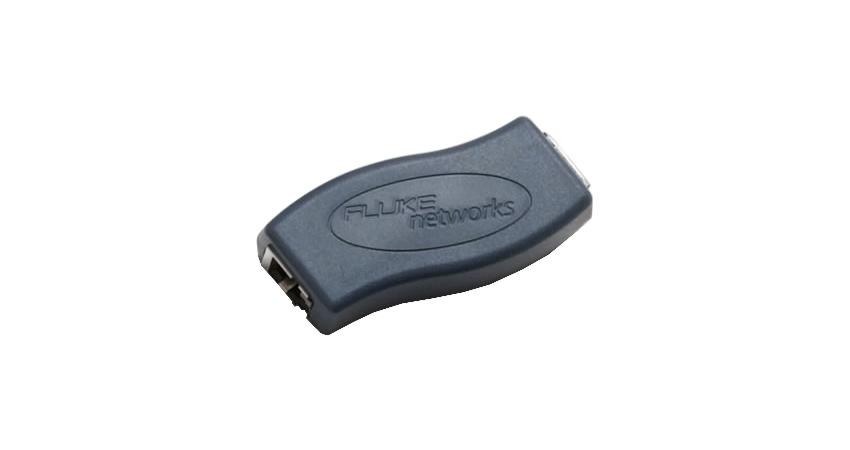
When performing network tests, you need the right tools, and that's where Patch Cord Adaptors and Fluke Networks come in. Patch Cord Adaptors help you test patch cables quickly, while Fluke Networks provides reliable testing equipment to detect any inconsistencies in your cable setup. Tools like the Fluke DSX-5000 cable analyzer will check for cable faults across both ends, ensuring your installation performs at its peak.
Example: Suppose you are working on a large network installation with multiple patch cords. Without testing both ends, you might overlook issues with cable connections on the far side, which could delay the installation or lead to an unnecessary service call. Using Fluke Networks tools ensures you have the data needed to avoid those costly mistakes.


FAQs
Why is testing both ends of the patch cord so important?
It ensures both ends of the cable are fully functional, preventing disruptions in your network's performance. A faulty connection on just one end can still cause issues.
What are patch cord adaptors, and how do they help?
Patch cord adaptors allow you to easily test both ends of your cables, providing reliable results and faster troubleshooting so you can identify issues with minimal hassle.
Can I use Fluke Networks tools for all types of cables?
Fluke Networks tools are designed to work with various cables, including Ethernet, fibre optic, and patch cords, ensuring consistent results across different networking setups.
What should I do if my patch cord fails the test?
If a patch cord fails the test, replace it with a new one or inspect the connectors for damage. A poor-quality cable could be the source of network slowdowns or failures.
Do I need to test every single patch cord in a network?
While it's not always necessary to test every patch cord, testing a representative sample is recommended. Always test both ends of the main cables for critical installations to ensure optimal performance.
Final Thoughts
Testing both ends of a patch cord ensures your network runs smoothly without any hiccups.
Whether using patch cord adaptors or Fluke Networks testing tools, the right equipment helps avoid costly errors.
So, don't skip the test; it's better to be safe than sorry when it comes to maintaining the integrity of your data network.
Related Products
