

Why is My Fusion Splicer Not Aligning the Fibres Correctly?
Posted on: 11/03/2025
Why is My Fusion Splicer Not Aligning the Fibres Correctly?
If your fusion splicer isn't aligning fibres properly, it can be frustrating and potentially delay your work. Whether you're an installer or a technician, poor fibre alignment can result in weak splices and loss of signal strength. But don't worry; this is a common issue, and there are a few key reasons why it might be happening and, thankfully, solutions too.

Common Causes of Poor Fibre Alignment in Fusion Splicers
A fusion splicer relies on the precise alignment of fibre strands for a successful splice. When things go wrong, it's usually due to one or more of the following reasons:
Contaminated Fibre Ends
Fibres need to be perfectly clean for proper alignment. Dirt, dust, and even oil from your fingers can cause poor alignment or reduce the quality of the splice. Ensure the fibre ends are thoroughly cleaned before inserting them into the splicer. This is one of the easiest and most common fixes.
Incorrect Fibre Preparation
If you haven't stripped the fibre correctly or have unevenly cleaved the ends, they may not align properly when placed in the splicer. Even minor inconsistencies can lead to issues. Ensure your fibre preparation tools are in good condition and follow best practices for stripping and cleaving.
Improper Machine Calibration
Fusion splicers require calibration to ensure they align fibres with precision. If your machine has not been calibrated recently, it might cause alignment problems. Check your splicer's calibration settings and re-align it as needed. Regular maintenance and calibration can prevent this issue from arising frequently.

FAQs
What is a fusion splicer?
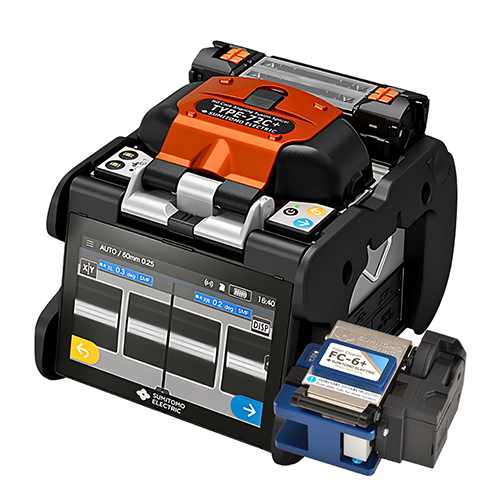
A fusion splicer is a tool for joining two optical fibres by melting the fibre ends together. This creates a seamless, low-loss connection that is crucial for high-performance fibre optic networks.
How can I clean the fibre ends before splicing?
Use an alcohol wipe or a specialised fibre cleaning tool to clean the fibre ends, followed by a lint-free cloth to remove any remaining residue.
How often should I calibrate my fusion splicer?
You should calibrate your fusion splicer every few months or as the manufacturer recommends. It's also a good idea to re-calibrate if you notice alignment issues.
Can a damaged fibre affect the splice?
Yes, a damaged fibre can cause alignment issues during the fusion process. Always inspect fibres before splicing for cracks or defects.
Can I hire a fusion splicer from CMW?
Yes, CMW offers equipment hire services, including fusion splicers, so you can get the tools you need without the long-term commitment.

A Little Troubleshooting Goes a Long Way
If you follow these steps and your fusion splicer still isn't aligning fibres correctly, it might be time to check the machine for faults or seek professional support.
If you're upgrading or replacing equipment, we can help you find the right tools for the job.
If you follow these steps and your fusion splicer still isn't aligning fibres correctly, it might be time to check the machine for faults or seek professional support.
If you're upgrading or replacing equipment, we can help you find the right tools for the job.
Related Products
