
How do I fix high NEXT (Near-End Crosstalk) or return loss readings when using patch cord adapters?
Posted on: 03/03/2025
If you're experiencing high NEXT (Near-End Crosstalk) or return loss readings while testing your network with patch cord adapters, don't worry—you're not alone. These issues often crop up, especially when you're using testing equipment like Fluke Networks' Networks' tools, but with a few adjustments, you can fix them.

Use the right calibration settings
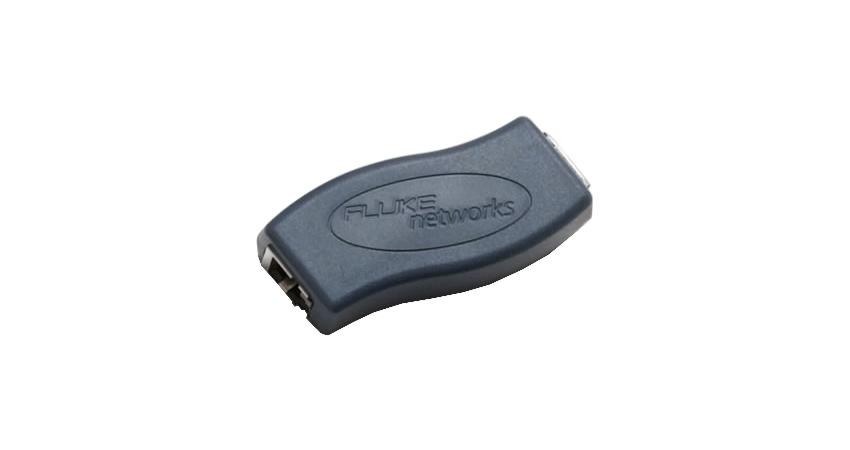
Sometimes, the issue lies in the configuration of your test equipment. Make sure your Fluke Networks tester is set up correctly for the type of cable and adapter you're you're using. Calibration settings vary depending on whether you're testing copper or fibre optics, so double-check the settings before starting your test.
Check for physical damage or wear.
Your patch cords or adapters could show signs of wear, which might not be immediately visible but could cause signal degradation. Inspect your cables for physical damage and replace worn-out components to improve performance.
Consider temperature and environment.
High temperatures or electromagnetic interference (EMI) can also affect testing accuracy. Keep your testing environment stable and free from sources of interference. Sometimes, cooling or relocating your testing equipment to a quieter space can help mitigate these issues.

FAQ
What is Near-End Crosstalk (NEXT)?
NEXT refers to the interference caused when a signal from one wire in a cable couples with another wire, deteriorating signal quality.
How do patch cord adapters affect network testing?
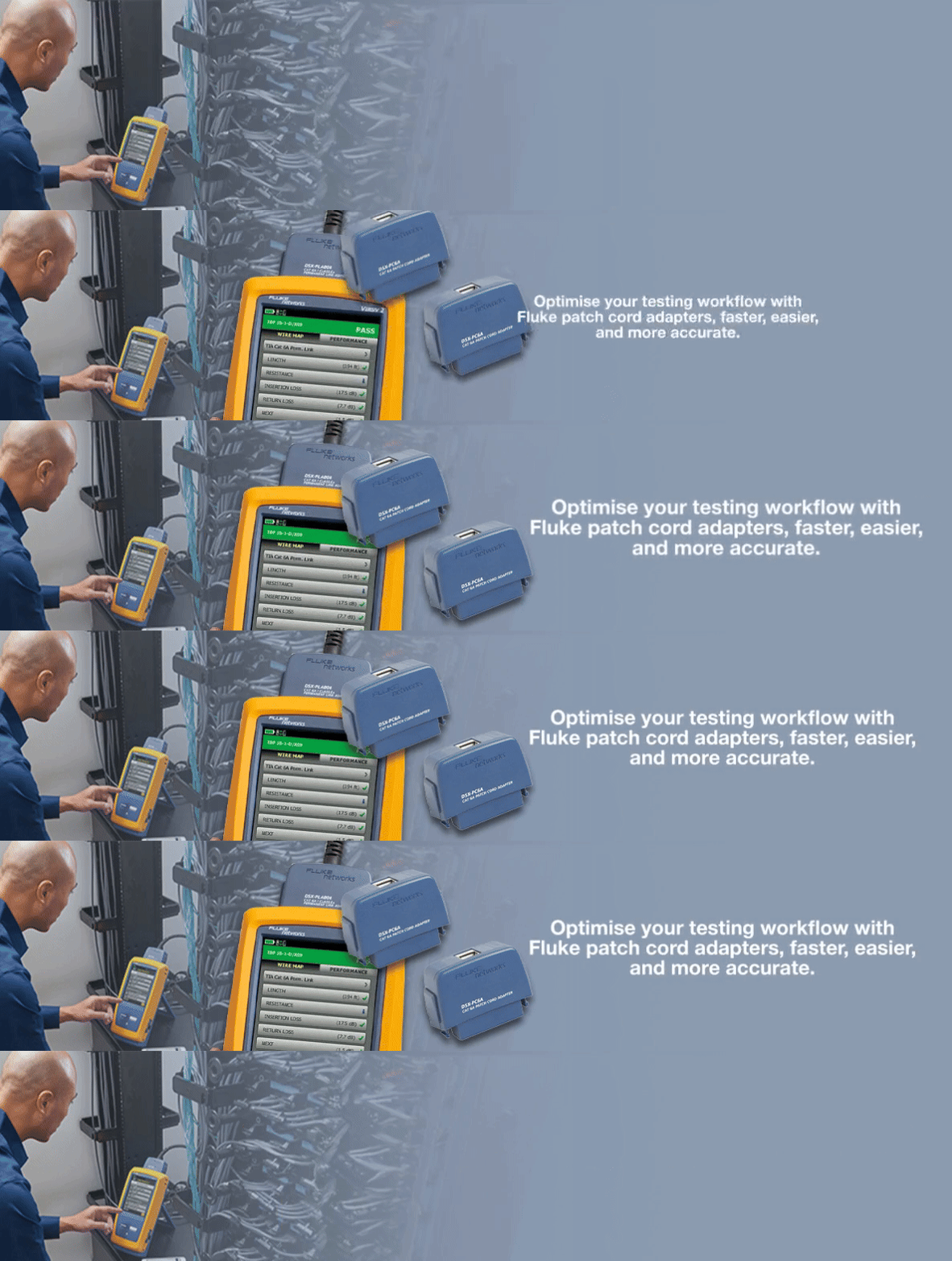
Patch cord adapters can introduce signal reflections or unwanted crosstalk if they are of poor quality or improperly matched with the test equipment, leading to inaccurate readings.
Can Fluke Networks equipment help with NEXT and return loss issues?
Fluke Networks' testing equipment is designed to detect and help troubleshoot NEXT and return loss issues. Using their high-quality adapters can improve your testing accuracy.
How often should I replace my patch cords?
Patch cords should be replaced if they show signs of wear, such as fraying, kinks, or damaged connectors. Regular inspection is recommended for maintaining testing accuracy.
What other factors can affect return loss readings?
Environmental factors like temperature, cable quality, and electromagnetic interference influence return loss readings, so always test in a controlled environment for best results.

By taking these steps, you can minimise high NEXT and return loss readings, ensuring your network testing is accurate and reliable. If you're using Fluke Networks gear, their high-quality testing solutions and accessories can help you achieve the best results and troubleshoot issues more effectively. So, next time you run into a reading problem, remember, quality adapters and proper testing techniques are key to solving the issue.
And if you find yourself caught up in the world of patch cord adapters, don't stress. A little troubleshooting goes a long way in keeping your network running smoothly.
Related Products
