

What’s the Best Way to Interpret an OTDR Trace?
Posted on: 03/03/2025
Interpreting an OTDR (Optical Time Domain Reflectometer) trace might seem like deciphering a secret code at first, but once you break it down, it's straightforward. The key is understanding the elements that make up an OTDR trace and what they signify about your network's performance.

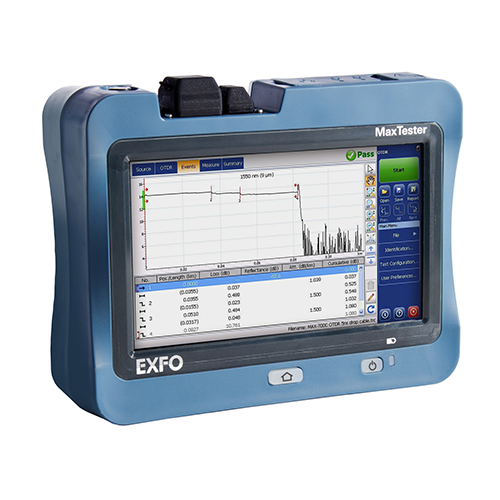
An OTDR visualises light loss in an optical fibre, which helps identify faults, bends, and splices. The trace looks like a graph, with a time axis (representing distance) and a power axis (showing signal loss). You'll typically see spikes and valleys: spikes indicate events like splices or bends, while valleys represent loss or faults.
Event Locations: These are the peaks and dips along the trace. A peak might indicate a connector, splice, or any break in the fibre that causes signal loss. A dip, however, shows the amount of loss, usually linked to a fibre fault or degradation.
Distance: OTDR traces are great because they show you the exact location of faults. On the horizontal axis, you'll see the distance to the problem, which is invaluable when performing maintenance or repairs.
Loss: The vertical axis shows the signal loss at various points. More loss indicates issues with the fibre, such as poor splicing or fibre breaks.
Reflection: This shows where light reflects back into the OTDR, which could signal a poorly installed or dirty connector or splice.
Normal Trace: A smooth, steady line with small dips and peaks. This is generally good – it means your fibre is working well.
Splice or Connector Issues: If there's a sharp drop and then a rise, you might have a splice or connector issue.
Fibre Faults: A big dip could indicate a break in the fibre, and you'll likely need to replace or repair that segment.
Bends: Look for a gradual curve in the trace to identify bends in the fibre that could cause signal degradation.
Key Elements of an OTDR Trace
When you first glance at an OTDR trace, focus on these crucial parts:
Event Locations: These are the peaks and dips along the trace. A peak might indicate a connector, splice, or any break in the fibre that causes signal loss. A dip, however, shows the amount of loss, usually linked to a fibre fault or degradation.
Distance: OTDR traces are great because they show you the exact location of faults. On the horizontal axis, you'll see the distance to the problem, which is invaluable when performing maintenance or repairs.
Loss: The vertical axis shows the signal loss at various points. More loss indicates issues with the fibre, such as poor splicing or fibre breaks.
Reflection: This shows where light reflects back into the OTDR, which could signal a poorly installed or dirty connector or splice.
Common OTDR Trace Patterns
Normal Trace: A smooth, steady line with small dips and peaks. This is generally good – it means your fibre is working well.
Splice or Connector Issues: If there's a sharp drop and then a rise, you might have a splice or connector issue.
Fibre Faults: A big dip could indicate a break in the fibre, and you'll likely need to replace or repair that segment.
Bends: Look for a gradual curve in the trace to identify bends in the fibre that could cause signal degradation.
Top Tips for OTDR Trace Interpretation
Use Reference Cables: Always compare your OTDR trace to a reliable reference to better understand what's normal and problematic.
Check the Reflectance. High reflectance could signal a bad splice or connector. Excessive reflectance can lead to network issues later.
Work in Segments: If you're troubleshooting a large network, break the trace into smaller segments to isolate problems more efficiently.
Making Sense of the Trace: Let's Break It Down
Think of an OTDR trace like a roadmap to your network. The more you familiarize yourself with it, the easier it becomes to spot issues before they become full-blown problems. Like reading a road sign, the more you know about OTDR traces, the quicker you'll reach your destination—network perfection.
An OTDR trace can be your network's X-ray. Instead of guessing where the issues are, you can pinpoint them precisely.

FAQs
What is an OTDR used for?
An OTDR is a tool used for testing optical fibres. It sends a signal down the fibre and then measures the light that reflects, allowing technicians to detect issues like faults, bends, and splices.
How do I read an OTDR trace?
Look for spikes, dips, and the distance markers. Spikes generally indicate a fault, splice, or connector, while dips indicate signal loss. Distance and loss levels help pinpoint the problem's exact location.
What is the difference between a splice and a connector in an OTDR trace?
A splice typically shows a gradual loss in the OTDR trace, while a connector often produces a sharp peak, which may indicate a poor connection.
Can I use OTDR traces to detect fibre faults?
Yes. OTDR traces are ideal for detecting faults, breaks, and degradation in fibre-optic cables because they show the exact location of the issue.
What's the best way to reduce OTDR trace errors?
Properly maintain your OTDR, use high-quality reference cables, and always clean your connectors to minimise errors in trace interpretation.

By understanding OTDR trace interpretation, you'll better understand your fibre optic network's health and ensure everything runs smoothly. When it comes to network testing, knowledge is power. So, grab your OTDR and start reading those traces like a pro.
Related Products
