

How do I maintain and clean a wire mesh basket or cable tray system?
Posted on: 02/06/2025
Maintaining and cleaning a wire mesh basket tray or cable tray system is easier than it sounds, and yes, it's something you should be doing.
These systems are the unsung heroes of structured cabling, quietly supporting everything from fibre optic lines to power cables.
Whether you're working with galvanised wire mesh trays, stainless steel cable trays, or powder-coated versions, keeping them clean helps ensure safe, long-lasting performance. It prevents issues like overheating, obstruction, or corrosion. Think of it like flossing your teeth; ignore it for too long, and you might regret it later.
These systems are the unsung heroes of structured cabling, quietly supporting everything from fibre optic lines to power cables.
Whether you're working with galvanised wire mesh trays, stainless steel cable trays, or powder-coated versions, keeping them clean helps ensure safe, long-lasting performance. It prevents issues like overheating, obstruction, or corrosion. Think of it like flossing your teeth; ignore it for too long, and you might regret it later.

Why maintenance matters
Clean trays make for safer installations. Dust, debris, cable offcuts, and even bird nests (yes, it has happened!) can accumulate over time, particularly in exposed areas.
Regular maintenance not only prolongs the life of your cable support solutions but also makes inspections and future routing far easier.
What you'll need
Let's start with some basics. You won't need an engineering degree, just a few standard tools and materials:
A stiff-bristle brush or handheld vacuum
A damp cloth or mild detergent solution
A screwdriver or wrench (depending on fasteners)
A flashlight or inspection mirror for harder-to-reach places
Optional: compressed air canisters for blowing out dust in tricky corners
Step-by-step: How to clean a cable tray system
Turn off power where possible.
Safety first. If you're you're working near live cables, isolate the power supply to minimise risk.
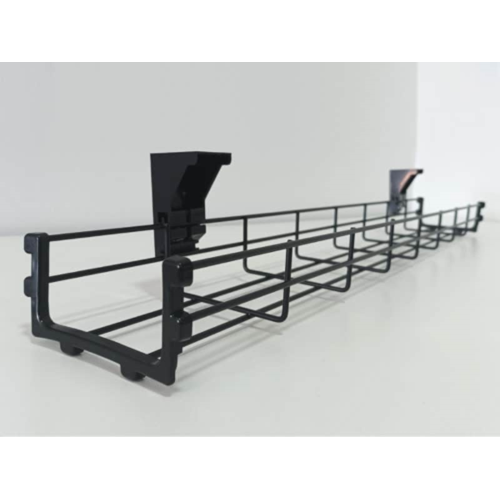
Visually inspect the trays.
Start with a simple look-over. You'reYou're checking for the build-up of dust, dropped screws, broken tray sections, or any signs of corrosion or damage to cable insulation.
Remove loose debris
Use a brush or handheld vacuum to remove dirt and debris. Pay extra attention to tray bends and risers; those tight corners tend to collect the most grime.
Wipe down the surfaces.
A slightly damp cloth will do the trick. If you're you're dealing with grease or industrial residue, a mild detergent solution is safe for most finishes, including galvanised, stainless steel, and powder-coated cable trays.
Check fasteners and supports.
Over time, brackets, dividers and tray covers can work loose. Please give them a quick tighten while you're you're there; it's like giving your cable management system a minor chiropractic adjustment.
Final inspection
Before you move on, shine a torch into those hard-to-see areas. If your trays are located in a dusty warehouse ceiling or under a raised floor, now is the time to address any lingering issues.
Pro tip: Make it routine
Depending on the environment, aim to check and clean your cable containment systems every 6–12 months. Data centres or areas with high airborne dust? Go for the 6-month option. Quiet office ceiling voids? You can probably get away with it once a year.


FAQs
How often should I clean my wire cable baskets?
Typically every 6–12 months. Environments with high dust or debris may require more frequent maintenance.
What'sWhat's the best way to clean a stainless-steel cable tray?
Use a mild detergent and a soft cloth. Avoid abrasive cleaners that can scratch or degrade the finish.
Can I use a pressure washer on heavy-duty cable trays outdoors?
Yes, but only if the tray system is empty and disconnected from any live installations. Always refer to the manufacturer'smanufacturer's maintenance guidelines.
Do tray dividers and tray bends also need cleaning?
Yes, these areas collect more debris due to changes in cable routing. Pay special attention to corners and joints.
What if I notice rust or damage during the cleaning process?
Corrosion is a sign that replacement or treatment is needed. Galvanised and stainless-steel trays are resistant but not immune. Catching it early prevents more significant headaches later.

Related Products
