

What’s the Correct Way to Ground and Bond a Cabling System?
Posted on: 02/06/2025
The correct way to ground and bond a cabling system is to ensure all conductive components, such as cable trays, patch panels, racks, and metallic enclosures, are electrically connected to a single, properly installed ground point.
This process needs to comply with recognised standards like BS 7671 and TIA/EIA-607 to ensure safety, system performance, and compliance.
Think of grounding and bonding like wearing a seatbelt, you might not always see it working, but when something goes wrong, you’ll be glad it’s there.
This process needs to comply with recognised standards like BS 7671 and TIA/EIA-607 to ensure safety, system performance, and compliance.
Think of grounding and bonding like wearing a seatbelt, you might not always see it working, but when something goes wrong, you’ll be glad it’s there.
Why It’s So Important
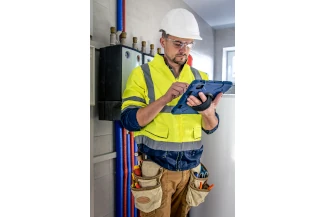
Grounding and bonding aren't just about ticking boxes, they're critical to keeping your network cabling infrastructure reliable and safe. Here's why:
Protects people and equipment from electrical faults or surges
Reduces electromagnetic interference (EMI) which can ruin signal integrity
Prevents grounding loops that can cause data loss or downtime
Ensures compliance with local regulations and international standards
Supports future maintenance with traceable and documented systems
What Should Be Grounded?
If it's metal and part of your structured cabling system, it probably needs bonding. Here’s a handy list:
Metal cable trays and trunking
Rack-mounted patch panels and PDUs
Wall-mounted racks
Data cabinet accessories like mounting rails and shelves
Metallic floor boxes for cabling
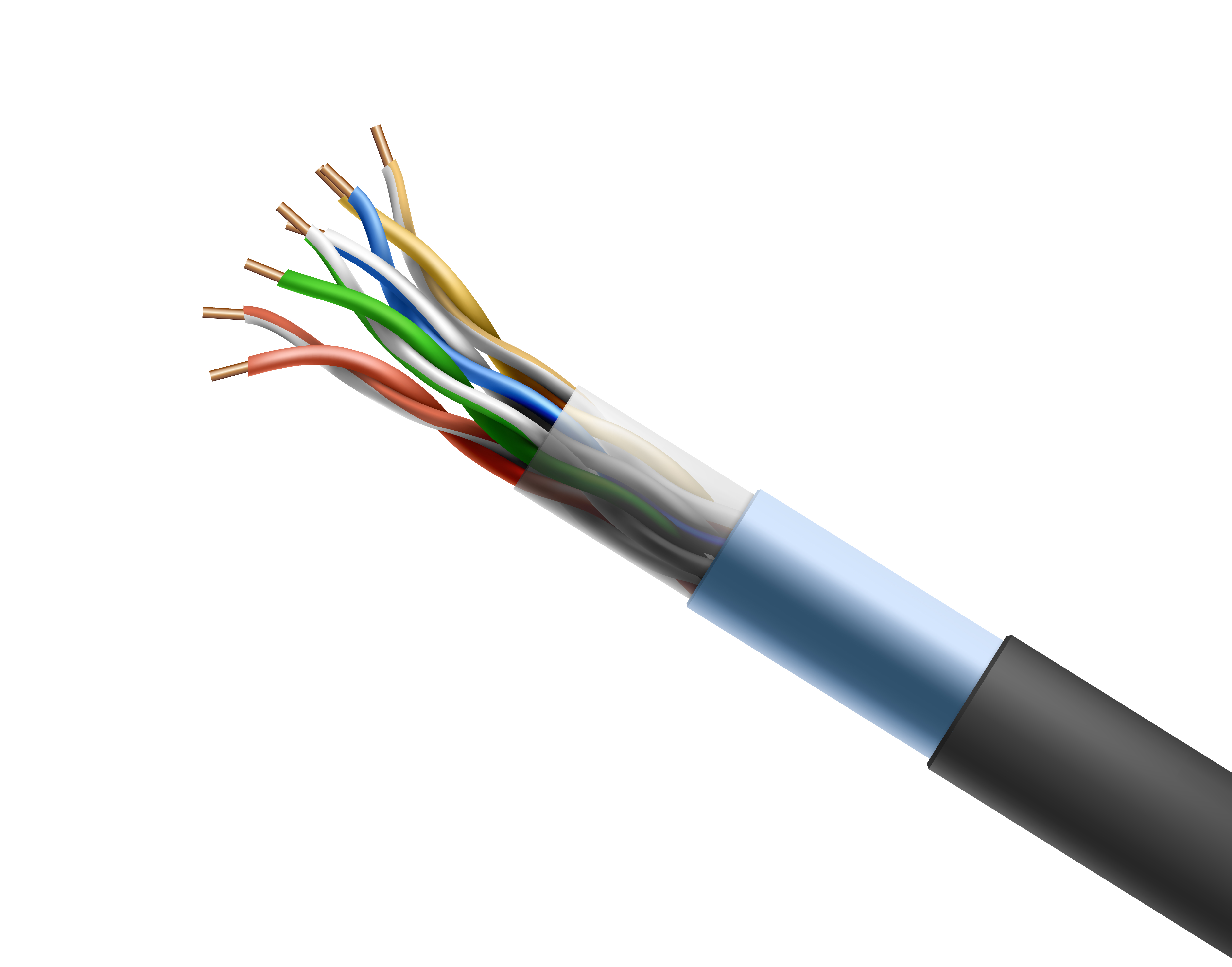
Shielded RJ45 connectors and copper cabling
Any metal within fibre optic cable assemblies
Even fibre optic setups often have metallic enclosures or panels that need to be grounded, don’t skip them.


Frequently Asked Questions
Is grounding needed if I'm only installing fibre optic cable?
If your fibre includes metallic strength members or connectors housed in metal panels, yes. The surrounding infrastructure often needs grounding too.
What happens if I skip grounding and bonding?
You risk system instability, hardware damage, or even electrical hazards. It’s not a gamble worth taking.
Can I bond to any part of the electrical system?
No, bonding must be done to an approved grounding point. Always follow wiring regulations and consult the site’s electrical design if unsure.
How do I know my grounding is effective?
Use a multi-meter or earth continuity tester to check resistance values between bonded parts and the main ground. Look for low resistance readings.
What tools or products help with grounding?
Look for purpose-built cable containment systems, labelled grounding kits, insulated bonding straps, and clearly marked floor boxes and wall mounted racks designed for secure earthing.
Frequently Asked Questions
Is grounding needed if I'm only installing fibre optic cable?
If your fibre includes metallic strength members or connectors housed in metal panels, yes. The surrounding infrastructure often needs grounding too.
What happens if I skip grounding and bonding?
You risk system instability, hardware damage, or even electrical hazards. It’s not a gamble worth taking.
Can I bond to any part of the electrical system?
No, bonding must be done to an approved grounding point. Always follow wiring regulations and consult the site’s electrical design if unsure.
How do I know my grounding is effective?
Use a multi-meter or earth continuity tester to check resistance values between bonded parts and the main ground. Look for low resistance readings.
What tools or products help with grounding?
Look for purpose-built cable containment systems, labelled grounding kits, insulated bonding straps, and clearly marked floor boxes and wall mounted racks designed for secure earthing.
Related Products
