

How do I prevent cables from becoming tangled or a trip hazard?
Posted on: 22/05/2025
By investing in proper cable management products and planning your structured cabling systems smartly, you can prevent cables from becoming tangled or a trip hazard.
Whether you're setting up a network for an office, server room, or commercial unit, unmanaged cables can lead to equipment failure, downtime, and let's face it, stubbed toes and unhappy clients.
Whether you're setting up a network for an office, server room, or commercial unit, unmanaged cables can lead to equipment failure, downtime, and let's face it, stubbed toes and unhappy clients.

Why Cable Chaos is a Real Problem
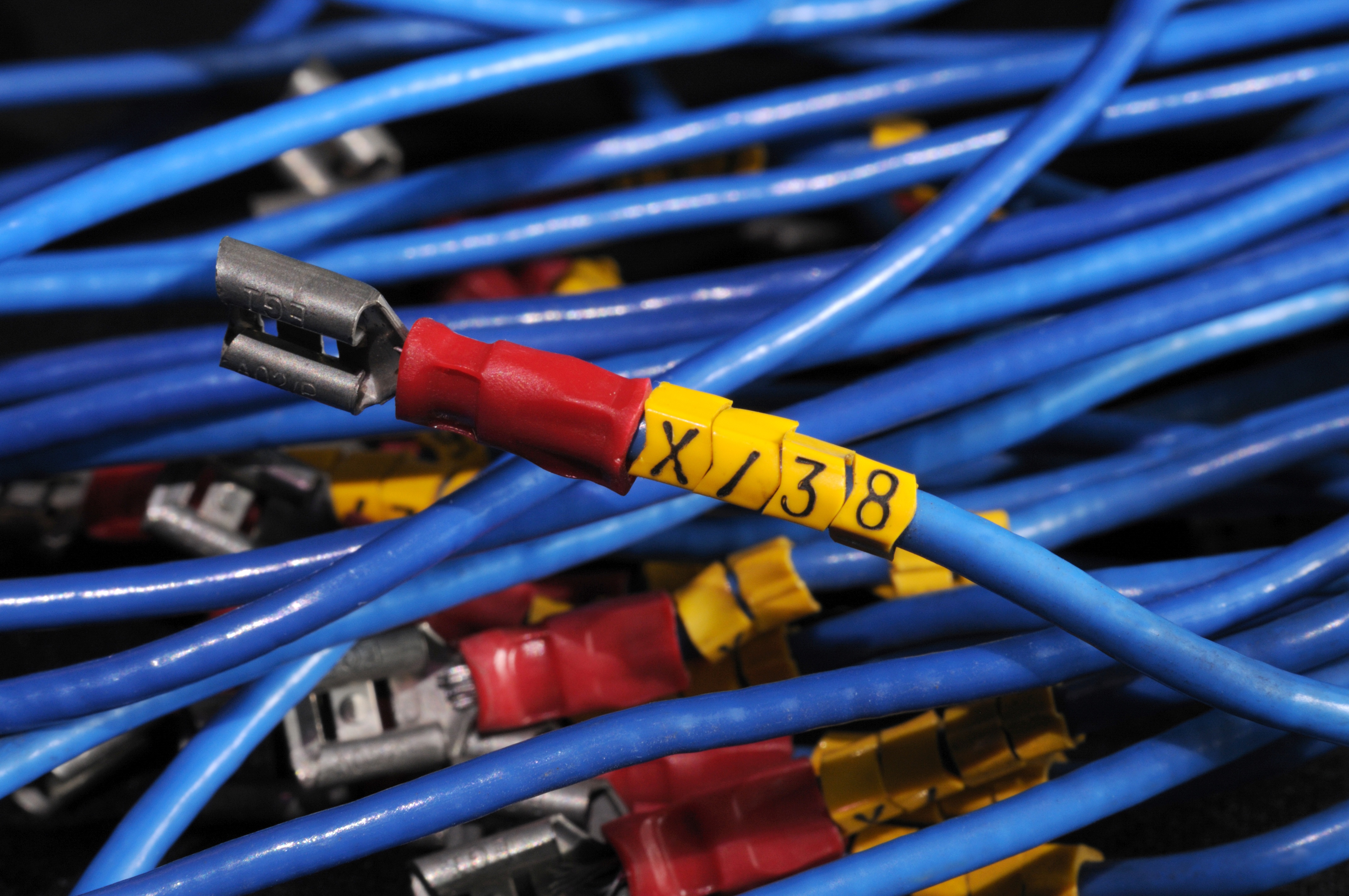
Cable spaghetti isn't just ugly, it's dangerous and inefficient. Poorly managed cables are prone to:
Becoming trip hazards
Getting damaged or disconnected
Creating airflow issues in data cabinets
Slowing down maintenance or upgrades
Imagine your fibre optic cable being accidentally yanked during a routine clean-up, yikes.
Simple Solutions That Work
Here's how you can avoid the cable catastrophe:
Plan Your Layout
Start with a layout that maps out where your equipment, patch panels, switches, and racks will be. Planning is everything in structured cabling systems.
Use Cable Trays and Trunking
These are your best friends—cable trays and trunking route cables along ceilings or walls neatly and safely.
Install Wall-Mounted Racks and Floor Boxes
Wall-mounted racks keep your equipment off the floor and out of the way.
Floor boxes for cabling provide power and data access in large rooms without trailing cables across walkways.
Patch panels provide a central point for connectivity, and using high-quality RJ45 connectors ensures that your network cabling infrastructure remains secure and tidy.
Small additions like:
Velcro straps
Cable ties
Brush strips
Cable covers
All these items can turn a mess into a masterpiece. And yes, we've seen installers use Velcro straps more precisely than a sushi chef slicing tuna.
Wall-mounted racks keep your equipment off the floor and out of the way.
Floor boxes for cabling provide power and data access in large rooms without trailing cables across walkways.
Patch Panels & RJ45 Connectors
Patch panels provide a central point for connectivity, and using high-quality RJ45 connectors ensures that your network cabling infrastructure remains secure and tidy.
Use the Right Accessories
Small additions like:
Velcro straps
Cable ties
Brush strips
Cable covers
All these items can turn a mess into a masterpiece. And yes, we've seen installers use Velcro straps more precisely than a sushi chef slicing tuna.


FAQs
What are the best products to prevent cable tangling?
Use Velcro straps, cable ties, cable sleeves, and trunking. Consider data cabinet accessories like vertical cable managers or brush panels for more complex networks.
How do I stop cables from becoming a trip hazard in open spaces?
Install floor boxes to minimise exposed wiring and use low-profile cable covers in high-traffic areas.
Are cable trays only for industrial setups?
Not at all! Cable trays are used in offices, commercial spaces, and data centres. They help route and support bulk cabling overhead or underfloor.
Can I retrofit cable management into an existing system?
Yes. Products like adhesive trunking, wall-mounted racks, and surface mount boxes are ideal for upgrades.
Is there a standard for organising network cables?
Yes. TIA/EIA standards provide guidelines for structured cabling systems. Following best practices can improve performance and facilitate future maintenance. 
Final Thoughts
Remember, good cable management isn't just neat, it's innovative business because no one wants to explain to the boss why Janet from accounts tripped over a Cat6 cable again.
Related Products
