

What can I do if my cable tray installation is overloaded?
Posted on: 21/05/2025
If your cable tray system is buckling under the pressure, figuratively or literally, it's time to act.
An overloaded cable tray isn't just an untidy eyesore; it can lead to overheating, signal interference, and even serious safety hazards.
The fix? Evaluate, reorganise, and, if needed, upgrade your cable management system to suit the demands of your growing network.
Let's take a closer look at what you can do when your cable tray installation can't keep up.
An overloaded cable tray isn't just an untidy eyesore; it can lead to overheating, signal interference, and even serious safety hazards.
The fix? Evaluate, reorganise, and, if needed, upgrade your cable management system to suit the demands of your growing network.
Let's take a closer look at what you can do when your cable tray installation can't keep up.

Spot the Warning Signs
Is your cable tray overloaded? Look out for these clues:
Sagging trays
Difficult cable identification and access
Overheating cables or signal performance issues
The tray covers are bulging or refusing to close properly.
Assess the Load
Start by checking whether your tray is designed to carry the weight it supports. If you're using a wire mesh basket tray or powder-coated cable tray, refer to the manufacturer's load ratings. Galvanised wire mesh trays are ideal for light to medium-duty loads, but consider upgrading if you're pushing the limit.
Reorganise and Reduce
Like spring cleaning, your next move is to declutter.
Remove redundant or obsolete cables.
Separate power and data to reduce interference
Use tray dividers to restore neat cable containment.
Consider tray bends and risers to optimise routing without overloading flat sections.
A little reorganisation can go a long way; sometimes, it takes better routing to ease the pressure.
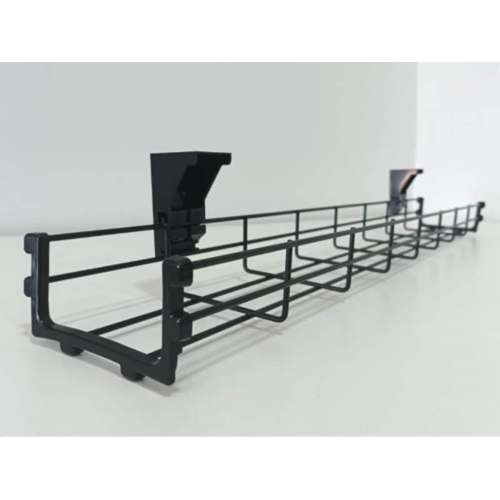
Upgrade Your Cable Support System
If your setup isn't enough, it's time to scale up.
Options include:
Heavy-duty cable tray: For large-scale installs or environments with heavy cable loads.
Stainless steel cable tray: Excellent for harsh or corrosive environments.
Tray covers: Keep cables protected and prevent overfilling.
Modular cable routing solutions: Futureproof your installation and simplify changes down the line.
Think of it as giving your cable infrastructure a gym membership; it'll be stronger, more flexible, and easier to maintain.
Plan for Growth
Most overloaded trays indicate something positive: your network is growing. Use this as an opportunity to futureproof.
Leave 25–30% spare capacity in any new cable containment run.
Install extra risers for future vertical routing.
Document tray usage and label cables for quicker maintenance later
It's easier (and cheaper) to plan than to constantly fix cable chaos. And let's be honest, no one enjoys crawling through ceiling spaces with a torch and a headache.


FAQs
Can I add more cables to a whole tray if I use a tray cover?
Tray covers are designed for protection, not to compress more cables into a full tray. You'll need to reduce or reorganise the load instead.
What's the difference between a wire mesh basket tray and a heavy-duty cable tray?
Wire mesh trays are lightweight and ideal for small to mid-sized installs, while heavy-duty trays support larger cable volumes and heavier loads.
Are stainless steel trays better than powder-coated ones?
Stainless steel trays are more corrosion resistant, making them better suited for outdoor or industrial environments. Powder-coated trays offer essential protection and are often used in controlled indoor spaces.
Should I separate power and data cables in the tray?
Yes, separating them reduces interference and ensures data integrity. Tray dividers can help with this.
How often should I check my cable tray installation?
You should perform visual checks during routine maintenance, especially after new installations or network upgrades. At a minimum, inspect trays every 6–12 months.

Wrapping It Up
An overloaded cable tray is more than just a cable management faux pas; it's a problem waiting to happen.
The good news is that with some auditing, more intelligent routing, and possibly upgrading your cable support solutions, you can turn a tangled nightmare into a tidy, efficient, and scalable cable routing system.
And if you're wondering whether your tray is overloaded, it probably is.
Related Products
