

How do I remove or replace conduit after it’s been installed?
Posted on: 09/05/2025
So, how do I remove or replace conduit after it’s been installed? The short answer: carefully, and with a bit of patience.
Whether you're dealing with rigid metal conduit (RMC), PVC, or flexible conduit that’s already in place, it can be removed or replaced, but there’s no magic wand.
You’ll need to consider the type of conduit, the installation method, and what’s inside. Some jobs will be straightforward; others might feel like you’re unpicking a spaghetti junction in a ceiling void.
Whether you're dealing with rigid metal conduit (RMC), PVC, or flexible conduit that’s already in place, it can be removed or replaced, but there’s no magic wand.
You’ll need to consider the type of conduit, the installation method, and what’s inside. Some jobs will be straightforward; others might feel like you’re unpicking a spaghetti junction in a ceiling void.

First Things First: Identify the Type of Conduit
Understanding what you’re working with is key. The approach will vary depending on:
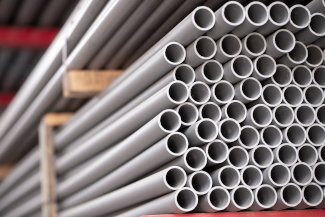
PVC conduit – Common in indoor and outdoor installs. Usually glued at joints.
Metal conduit (EMT, RMC) – Threaded or clamped. Harder to cut but easier to dismantle.
Flexible conduit – Can be plastic or metal, often secured with compression fittings or clips.
Each type behaves differently when being removed.
Tools You Might Need
Before you dive in, arm yourself with:
Hacksaw or conduit cutter
Screwdrivers
Adjustable spanner
Utility knife
Heat gun (for PVC, to soften glue joints)
Patience – not technically a tool, but you’ll need it.
Common Scenarios and How to Handle Them
Removing Glued PVC Conduit
PVC conduit often uses solvent cement at joints. To remove it:
Use a heat gun to soften the glue.
Gently twist the conduit free (gloves recommended – it gets hot).
If joints won’t budge, cut out the section and replace.
Tip: Use couplings to rejoin replacement sections neatly.
Dismantling Metal Conduit
Loosen locknuts or fittings with a spanner.
Unscrew each section (most are threaded or slotted into compression fittings).
Watch out for burrs when handling cut sections – they bite back!
Replacing Flexible Conduit
Remove any securing clips or brackets.
Unscrew end fittings from junction boxes or wall plates.
Replace with fresh conduit – possibly reroute for neater cable protection.

FAQs
Can I reuse old conduit after removal?
Yes, if it’s undamaged and meets current code requirements. Give it a thorough inspection first.
How do I avoid damaging cables when removing conduit?
Disconnect power first. Gently ease conduit sections away from cables. Never pull sharply or twist against resistance.
Is it easier to remove flexible conduit than rigid?
Generally yes, especially if it’s not glued. Flexible conduit is designed to move – rigid, not so much.
Should I always replace conduit with the same type?
Not necessarily. You can upgrade (e.g., swap plastic for metal) if your environment calls for tougher cable protection.

Final Thoughts
Removing or replacing conduit isn’t always glamorous work, but it’s doable with the right tools and know-how.
Whether you're working with electrical conduit in a commercial data install or tweaking cable conduit runs at home, take your time and work smart.
Related Products
