

What type of labels are best for cables and wires?
Posted on: 08/05/2025
So, what type of labels are best for cables and wires?
It depends on your environment, application, and the type of cables you're working with.
But generally, self-laminating wire labels and heat shrink labels are your go to heroes in the world of cable identification.
These options offer durability, readability, and a professional finish exactly what you want in both data and electrical installations.
It depends on your environment, application, and the type of cables you're working with.
But generally, self-laminating wire labels and heat shrink labels are your go to heroes in the world of cable identification.
These options offer durability, readability, and a professional finish exactly what you want in both data and electrical installations.
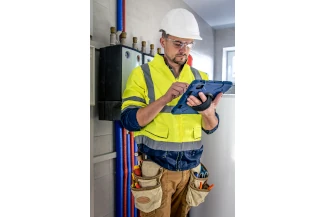
The Importance of Proper Cable Labelling
We’ve all seen it, the spaghetti mess of unlabelled cables under a desk, in a cabinet, or worse, running through a comms room. Not fun. Good cable labelling does more than look tidy:
It saves time during troubleshooting
Speeds up installations and audits
Reduces the risk of costly errors
Keeps your work looking professional (and let’s be honest, impresses clients)
Whether you're a data installer, an electrician, or a wholesaler looking to supply the right gear — using the right cable marking system is key.
Popular Cable Labelling Solutions
Self-Laminating Wire Labels
Ideal for: Data installers, structured cabling, patch leads, telecoms
Feature a printable area and a clear laminate flap that wraps over the print
Protects text from dirt, oil, and moisture
Stays legible long after the install
These are a favourite in data centres and IT rooms where labelling needs to remain crisp.
Heat Shrink Labels
Ideal for: Electrical installations, harsh environments
Slide over the cable and shrink down with a heat gun
Permanent and tamper-resistant
Resistant to abrasion and chemicals
Perfect when you're working on outdoor panels or industrial equipment.
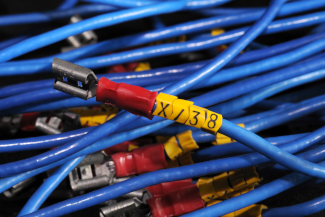
Flag Labels
Ideal for: Smaller wires or cables with little surface area
Fold around the cable to create a ‘flag’ that sticks out
Great for adding extra info like circuit IDs or test results
Not the tidiest, but highly visible and easy to update.
Don’t Forget the Printer
Your labels are only as good as the printer you use. Invest in a portable label printer designed for electricians and data installers. Models from Brady, Brother, or Epson are often built to handle industrial-grade label cartridges with ease.
Want something field-ready? Look for printers that:
Are battery-powered and compact
Have quick-load cartridges
Support both self-laminating and heat shrink formats
Offer Bluetooth or USB connectivity for mobile use
Pro tip: Pair your printer with labelling software to import cable schedules directly — no more manual typing!

FAQs:
What's the difference between heat shrink labels and self-laminating labels?
Heat shrink labels shrink to fit the cable tightly and are more permanent, ideal for harsh conditions. Self-laminating labels have a protective flap and are quicker to apply, especially in data installs.
Can I use a regular label printer for cables?
Not really. Standard printers don’t support industrial label types or materials. Stick with label printers for electricians or networking pros for best results.
Are cable identification labels waterproof?
Most are. Especially self-laminating and heat shrink types, they’re designed to withstand moisture, oil, and grime.
How do I know what label size to use?
It depends on your cable diameter and how much info you need. Many suppliers offer label size guides based on common cable types.
Do I need special software for cable labelling?
While not essential, using cable labelling software makes the process faster, especially for large jobs. You can upload cable schedules and auto-format labels to match.

Final Thoughts
No matter how neat your install is, poor labelling can undo the whole job.
Choosing the right cable labelling solution, whether that’s heat shrink for rugged jobs or self-laminating for patch panels, shows attention to detail and cuts down on future headaches.
And hey, if your client ever calls you asking which cable does what, you'll know you’ve done your job right... and saved them from a tangle-induced meltdown.
Related Products
