

How do you connect multiple sections of wire mesh baskets or cable trays?
Posted on: 07/05/2025
When you're dealing with network cabling infrastructure, you don’t want your cable trays or wire mesh baskets going off in different directions like they’ve had an argument.
So, how do you connect multiple sections together? The answer: use the right connection accessories for a secure, aligned and continuous cable support system.
In most cases, sections of wire mesh baskets or electrical cable trays are joined using couplers, bolts, or proprietary connector kits.
These ensure the sections remain structurally sound, aligned, and safe for supporting cable loads. Whether you're working on a data centre fit-out or running cables across an industrial unit, a well-connected system is key to maintaining neat and effective cable routing solutions.
So, how do you connect multiple sections together? The answer: use the right connection accessories for a secure, aligned and continuous cable support system.
In most cases, sections of wire mesh baskets or electrical cable trays are joined using couplers, bolts, or proprietary connector kits.
These ensure the sections remain structurally sound, aligned, and safe for supporting cable loads. Whether you're working on a data centre fit-out or running cables across an industrial unit, a well-connected system is key to maintaining neat and effective cable routing solutions.
Key Ways to Connect Sections of Cable Trays and Wire Mesh Baskets
Connector Clips or Couplers
These are the most common method for joining wire mesh basket segments. Simply position two basket ends together and secure them with the clip. No need to overcomplicate things, just clip, tighten, and move on.
Bolt Sets
Ideal for heavier cable management systems, bolt sets provide a more rigid connection. They’re often used in cable containment runs that support larger bundles or heavier gauge cabling.
Splice or Joint Kits
Manufacturers of cable support systems often sell splice kits made specifically for their trays. These make installation faster and ensure compliance with load ratings and standards.
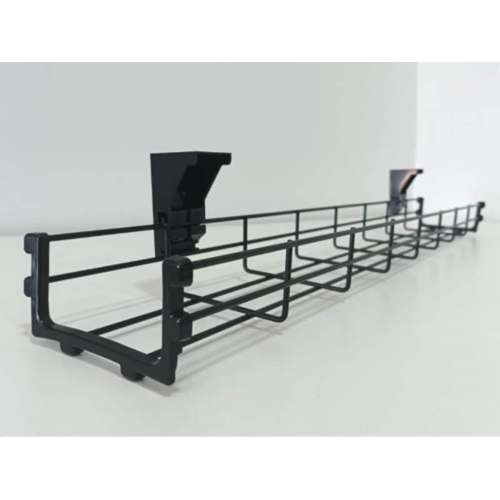
Quick-Fit Connectors
A popular solution for speed-sensitive jobs. These allow tool-less installation in seconds, a blessing when you’re racing the clock on-site.
Pro Tip
Make sure your tray/basket alignment is spot-on before tightening anything down. Misalignment can lead to uneven loads, sagging trays, and a serious case of the “uglies.” No one wants their cabling to look like it took a wrong turn into chaos.


FAQs
Can I mix different brands of wire mesh baskets and trays?
It's not recommended. Different manufacturers may use different connection systems and dimensions. Always stick to the same brand or check for compatibility before installing.
Are connector kits sold separately or included?
Usually, they’re sold separately. At CMW, we always recommend checking what’s included before you order so you’re not caught short on-site.
What tools do I need to connect cable trays or wire mesh baskets?
Depending on the connection method: a screwdriver, wrench, or in some cases, no tools at all (hello quick-fit kits!).
How far apart should cable tray supports be?
Generally, supports should be spaced 1.5 to 2.5 metres apart, but always check the manufacturer's specs for exact load ratings.
Do I need to bond the sections for earthing purposes?
Yes. For safety and compliance, bonding the sections is essential, especially in electrical cable tray systems. Earth continuity kits are often used. 
Final Thoughts
Connecting sections of cable trays or wire mesh baskets isn’t rocket science, but it is cable science. A strong, continuous system ensures your cable containment stays secure, tidy, and safe.
Need help with your cable support systems? Give us a shout, and no, we don’t judge your cabling skills (unless you forget to cable tie... then we might raise an eyebrow).
Related Products
