

How Does Equipment Hire for Cabling Projects Work? A Step-by-Step Guide
Posted on: 26/02/2025
Introduction
Cabling projects, whether for network installations, fibre optic setups, or electrical wiring, often require specialised tools. For many businesses, purchasing expensive Equipment isn't feasible, mainly if it is only used occasionally. Instead, hiring the necessary tools allows contractors and businesses to access high-quality Equipment without a significant upfront investment. This guide explores the ins and outs of equipment hire for cabling projects, including the benefits, process, and best practices to ensure a smooth rental experience.

Identify Your Project Requirements
The first and most important step in renting Equipment for cabling projects is clearly defining your needs. What type of cabling are you working with? Fibre optic installations, copper networking cables, or electrical wiring require different tools. Some standard tools for cabling projects include:
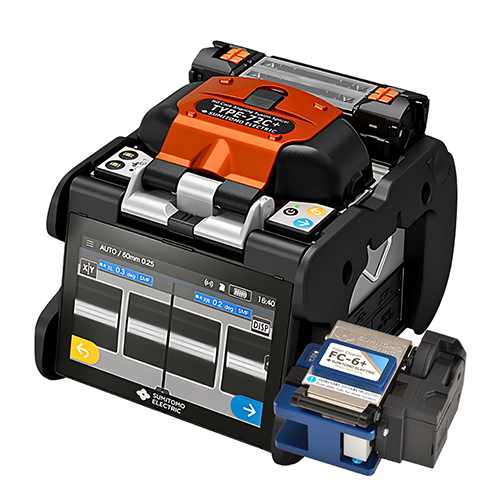
Cable Splicing Kits: Essential for connecting cables during fibre optic or copper installations.
Cable Testers and Continuity Testers: These ensure that the wiring works properly and can support the required electrical load.
Cable Strippers: Designed to safely strip the insulation from cables without damaging the wiring inside.
Crimping Tools: These attach connectors to cables for network installations.
OTDR (Optical Time Domain Reflectometer): Ideal for diagnosing fibre optic networks, locating faults, and testing the integrity of installations.
Make a checklist of the Equipment needed and consult a cabling expert if you are unsure which tools best suit your project. Many rental companies offer guidance in choosing the right Equipment for your specific needs.
Research Reliable Equipment Hire Providers
Once you clearly understand your requirements, it's time to find a reliable equipment hire provider. You want a company specialising in cabling tools and understanding your project's specific demands.
Things to consider when researching equipment hire providers.
Range of Equipment: Ensure the provider has the tools you need and any additional Equipment that may be useful during the project.
Quality of Tools: Look for companies that provide well-maintained, high-quality Equipment. Check reviews and ask for recommendations from others in the industry.
Customer Service: Reliable customer support is essential if you encounter issues with rented Equipment. A company with knowledgeable staff can provide quick troubleshooting.
Delivery Options: Check if the provider offers delivery services, primarily if you work on a tight timeline. Many companies can arrange next-day delivery for urgent projects.
Understand the Rental Terms
Rental terms and conditions can vary significantly from one provider to another. It's essential to fully understand the agreement before committing to a rental.
Key terms to review include:
Rental Duration: Be clear on the rental period. Are you renting daily, weekly, or monthly? Ensure the timeline aligns with your project's schedule.
Costs and Fees: Understand how much you will be paying and if there are any hidden fees, such as charges for late returns, damage, or cleaning. Some companies may also offer discounts for longer-term rentals.
Maintenance and Insurance: Verify if the provider covers maintenance or you will be responsible for any repairs. Some companies offer rental insurance in case of accidental damage.
Late Fees: Return the Equipment on time to avoid unnecessary charges. Many providers charge a daily late fee for overdue Equipment.
Pro Tip: Ask for a written copy of the rental agreement and keep all documentation until the Equipment is returned.
Place Your Order
Once you've selected the Equipment and understood the terms, it's time to place your order. Many companies have user-friendly websites with online booking systems, but some may still require direct consultation over the phone.
When placing your order, you will need to provide the following details:
Dates for Rental: Specify when you need the Equipment, including the start and end date.
Delivery Address: Provide a precise delivery address to ensure the timely arrival of the tools.
Project-Specific Details: Some companies will ask about the type of cabling project you are working on, as this may influence the type of Equipment recommended.
Tip: Double-check the rental dates. If you expect your project to run longer, extending the rental agreement at the time of booking is often easier than negotiating an extension at the last minute.
Receive, Inspect, and Use the Equipment
Once the Equipment arrives, inspect it thoroughly to ensure it's in good working condition. Most rental companies will include a report or checklist for you to sign off on the condition of the tools at the time of delivery.
Here are some steps to follow when receiving the rented Equipment:
Inspect the Equipment: Look for signs of wear and tear, and check that all components (such as cables, chargers, or adapters) are included.
Review the Manual: If the Equipment comes with a manual, review it carefully before using it. If you have any doubts about operating the tools, ask for a demonstration or ask the rental company for help.
Use the Equipment Properly: Always follow safety guidelines. Ensure that all team members know how to handle the Equipment and use it according to the manufacturer's instructions.
Safety Tip: If you are unfamiliar with the Equipment, ask the rental company for guidance or request additional training. Proper equipment use ensures the success of your project and reduces the risk of accidents.
Return the Equipment
Once your cabling project is complete, it's time to return the rented Equipment. Before returning the tools, make sure you:
Clean the Equipment: Some rental companies require that the tools be returned in clean condition. Check the provider's guidelines to avoid additional cleaning fees.
Check for Missing Parts: Ensure all components, including accessories, cables, and tools, are returned. If anything is missing, report it immediately to avoid extra charges.
Return On Time: Late returns can incur additional charges, so ensure you return the Equipment on or before the agreed-upon return date.
Benefits of Hiring Equipment for Cabling Projects
Equipment hire provides several key benefits, making it an attractive option for contractors and businesses:
Cost Savings: Rather than purchasing expensive tools, renting them allows you to pay only for what you need, saving money on Equipment that may only be used once or twice a year.
Access to Latest Technology: Renting equipment gives you access to the latest models and technology, ensuring you work with the best tools available.
Flexibility: With rental agreements, you can rent Equipment for short-term or long-term use, depending on the length of your project. This flexibility is ideal for businesses that don't need to keep tools on hand year-round.
Reduced Storage and Maintenance Costs: Renting eliminates the need to store and maintain Equipment, which can take up valuable space and incur maintenance costs.


FAQs
What tools are commonly hired for cabling projects?
Cable testers, OTDRs (Optical Time Domain Reflectometers), crimping tools, fibre optic splicing kits, cable strippers, and cable spooling machines are commonly hired tools for cabling projects.
How much does it cost to hire Equipment for cabling projects?
Rental costs vary depending on the equipment type, rental duration, and provider. Daily rates range from £49 to £350, while weekly or monthly rates may be more economical for longer projects.
Can I hire Equipment for a short-term project?
Yes, most providers offer flexible rental terms, including daily or weekend rentals, making hiring Equipment for short-term projects easy.
What should I do if the rented equipment breaks during use?
Contact the rental provider immediately if the equipment malfunctions or breaks during use. Most companies have policies in place for repair or replacement, but you may be responsible for any damages.
Is training included when hiring cabling Equipment?
Some rental companies provide training or guidance on how to use specialised Equipment. Always check if training is available, especially if you are renting complex tools like OTDRs or fibre optic splicing kits.

Conclusion
Renting Equipment for cabling projects is an innovative, cost-effective solution for businesses and contractors. By following this step-by-step guide, you can ensure that the Equipment you rent meets your project's needs and helps you complete the job efficiently and on time. Whether working on a short-term project or needing specialised tools for a large-scale installation, equipment hire offers the flexibility and financial advantages you need to succeed.
Explore the benefits of hiring and enjoy the freedom to focus on delivering top-quality installations without the added stress of ownership with the CMW equipment hire service.
Related Products
