
Why Does My Patch Cord Fail the Test Even Though It Works Fine in Real Use?
Posted on: 26/02/2025
Have you ever connected your patch cord, and everything works fine in your everyday setup until you run a test? Then, out of nowhere, it fails the test, and you're left scratching your head, wondering how the cord can still work in real-world use but not under test conditions. It doesn't sound very clear, but it's not uncommon. Let's investigate why this happens and how to avoid these issues for better results in your data and voice networking installations.

The Fluke Networks Testing Standard
When you perform a test with your patch cord, especially with tools like Fluke Networks testers, you're not just checking if the cable passes data through. These tools check for multiple factors, including signal integrity, loss, reflection, and impedance mismatches. So, a patch cord might seem perfectly fine for everyday use but still fail under these more stringent conditions.
Example: You might be using your patch cord for day-to-day use between two devices, and it works flawlessly. However, testing it with a Fluke Networks cable tester may show too much attenuation or the impedance isn't quite right. These testers simulate the exact conditions required for high-speed data transfer, which could reveal small issues that wouldn't cause immediate problems in everyday use.
Common Causes of Patch Cord Failures During Testing
Improperly Made Connectors
Even if the cord appears to be working in real-time, the connectors might not be well-crimped or may have poor-quality contact with the inside pins. This can cause resistance issues that will show up in testing. A loose connection inside the connector may not impact your day-to-day operation but will fail during tests, especially when high-speed data transmission is involved.
Cable Length and Signal Degradation
A patch cord that's slightly too long can cause signal loss, even if it seems to work well in most everyday situations. During testing, especially with tools like Fluke Networks' testers, the tester checks for signal loss across the length of the cable. If the cable is too long, the tester will detect too much attenuation, leading to a failed test.
Impedance Mismatch
Patch cords, especially those not correctly matched with the equipment, can cause a mismatch in impedance. This can lead to issues like signal reflection or loss, which wouldn't always show up during regular use but will be exposed under rigorous testing.
Environmental Factors
Environmental conditions such as temperature or humidity can affect cable performance. Your patch cord might work fine in a standard, stable environment but fail in extreme conditions, where the signal transmission is more susceptible to interference and degradation.
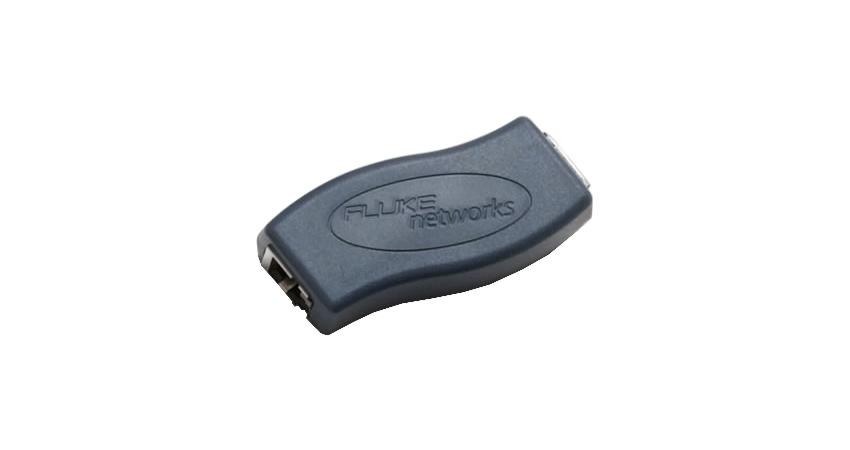
Patch Cord Adaptors
Some users will often plug their patch cord into a patch cord adaptor without thinking too much about how this changes the signal path. The adaptors could introduce additional impedance or poor contact, which will appear in testing but may not affect general use, where lower speeds and short-range signals are less sensitive to such imperfections.


FAQs
Can my patch cord fail if it passes standard data transmission?
Yes, a patch cord may pass everyday data use but still fail to test because testing tools check for a broader range of factors like signal integrity and impedance, which might not appear during regular use.
Why does the patch cord only fail when I use a Fluke Networks tester?
Fluke Networks testers use more sensitive and precise measurements to check a cable's performance across all its characteristics. Everyday use, however, only tests if the cord can carry the signal, ignoring factors like signal loss, reflection, or impedance mismatches.
How can I prevent patch cord failures during testing?
Ensure that your patch cords are properly made with high-quality connectors and appropriate cable length and that they match the equipment you're using. Testing with Fluke Networks tools can help you spot issues early.
Does the patch cord's material affect its testing results?
Lower-quality materials or poorly constructed patch cords are likelier to fail under testing conditions, as they might introduce too much signal loss or poor connectivity.
Should I always use patch cord adaptors?
Only use Patch cord adaptors when necessary, and ensure they are good quality. They should be used to maintain signal integrity, as poor-quality adaptors can introduce impedance mismatches.

So, the next time your patch cord fails a test, there's usually a logical explanation. It's not always about how the cord works in your office or on the shop floor but how it performs under testing conditions designed to push its limits. If you're in data networking and want to avoid these failures, keep your patch cords in top shape, invest in quality testing tools like Fluke Networks, and be mindful of those pesky patch cord adaptors. It might save you from that dreaded "why didn't it work?" moment.
Related Products
