
What are the best practices for cable routing and installation?
Posted on: 26/03/2025

Keep it Organised: Plan Before You Route
The first step to a successful cable installation is planning. If you’re just going in without a clear roadmap, chances are you’ll end up with a tangled mess literally and figuratively. Mapping out the cable routes in advance is crucial for an organized and efficient setup. Consider your cable’s length, type, and future expansion needs. Additionally, ensure that cables are properly labelled for easy identification. This will save you time and frustration later.
Prioritise Proper Cable Support
Support isn’t just for your back it’s for your cables too. Using the right cable management tools and support structures, like cable trays or racks, helps prevent sagging or accidental damage. Installing cables with sufficient slack is a great idea too, especially around areas where maintenance or reconfigurations might occur. This helps avoid unnecessary stress on the cables, ensuring their longevity.

FAQs:
Why is cable organisation important in network cabling?
Proper cable organisation helps prevent tangling, improves airflow, and makes troubleshooting easier. An organized setup also ensures that cables are properly supported, reducing the risk of damage.
What are the best cable types for data installations?
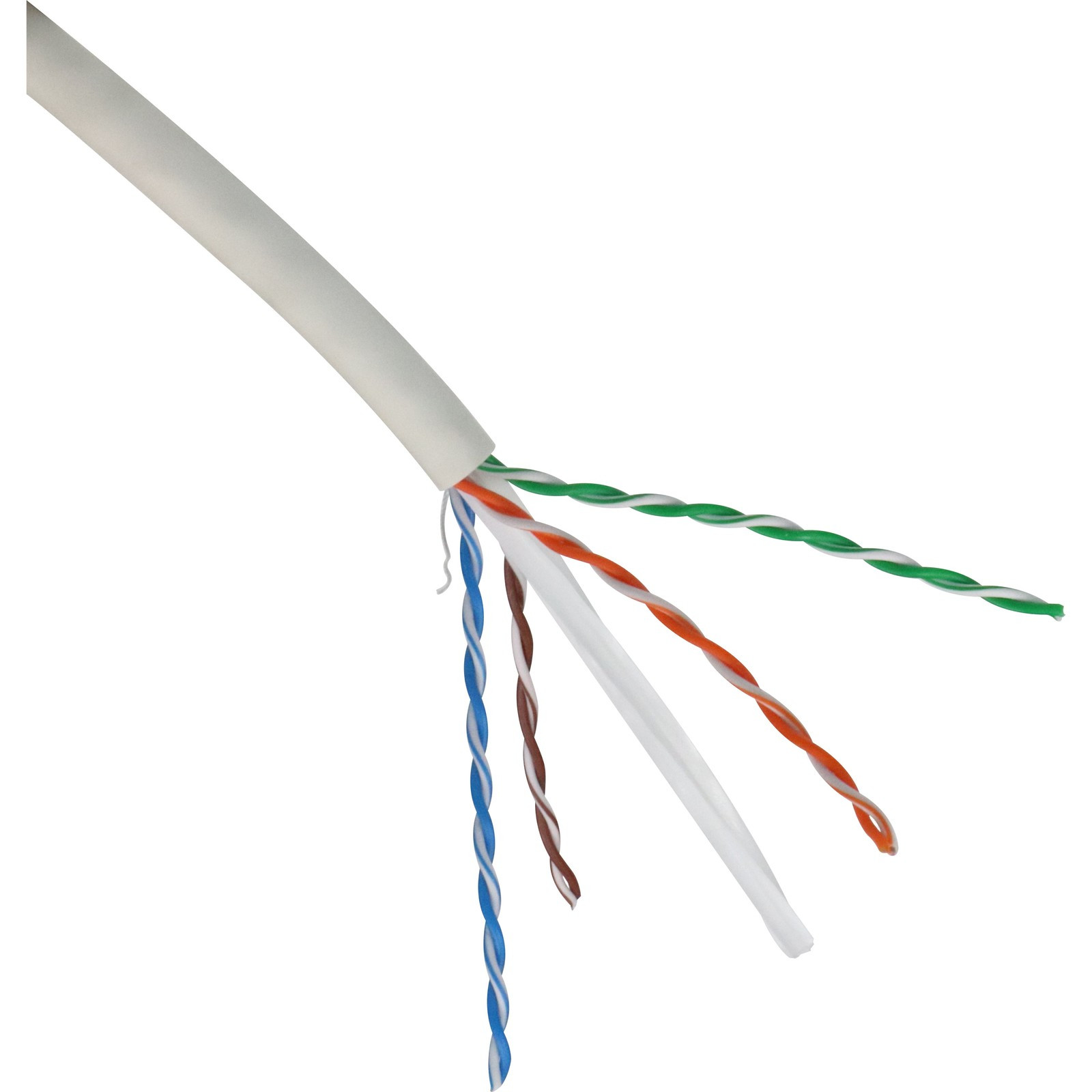
For data installations, Cat 5e, Cat 6, or Cat 6a cables are commonly used. They offer good data transmission speeds and can handle gigabit speeds, depending on the installation environment.
How can I reduce cable clutter?
Using cable trays, raceways, and Velcro ties can help organize and reduce cable clutter. Labelling cables can also make maintenance and troubleshooting much easier.
Should I use shielded cables for outdoor installations?
Yes, shielded cables (STP or FTP) are recommended for outdoor installations where they may be exposed to interference. These cables provide added protection from external electromagnetic interference.
What tools are essential for a successful cable installation?
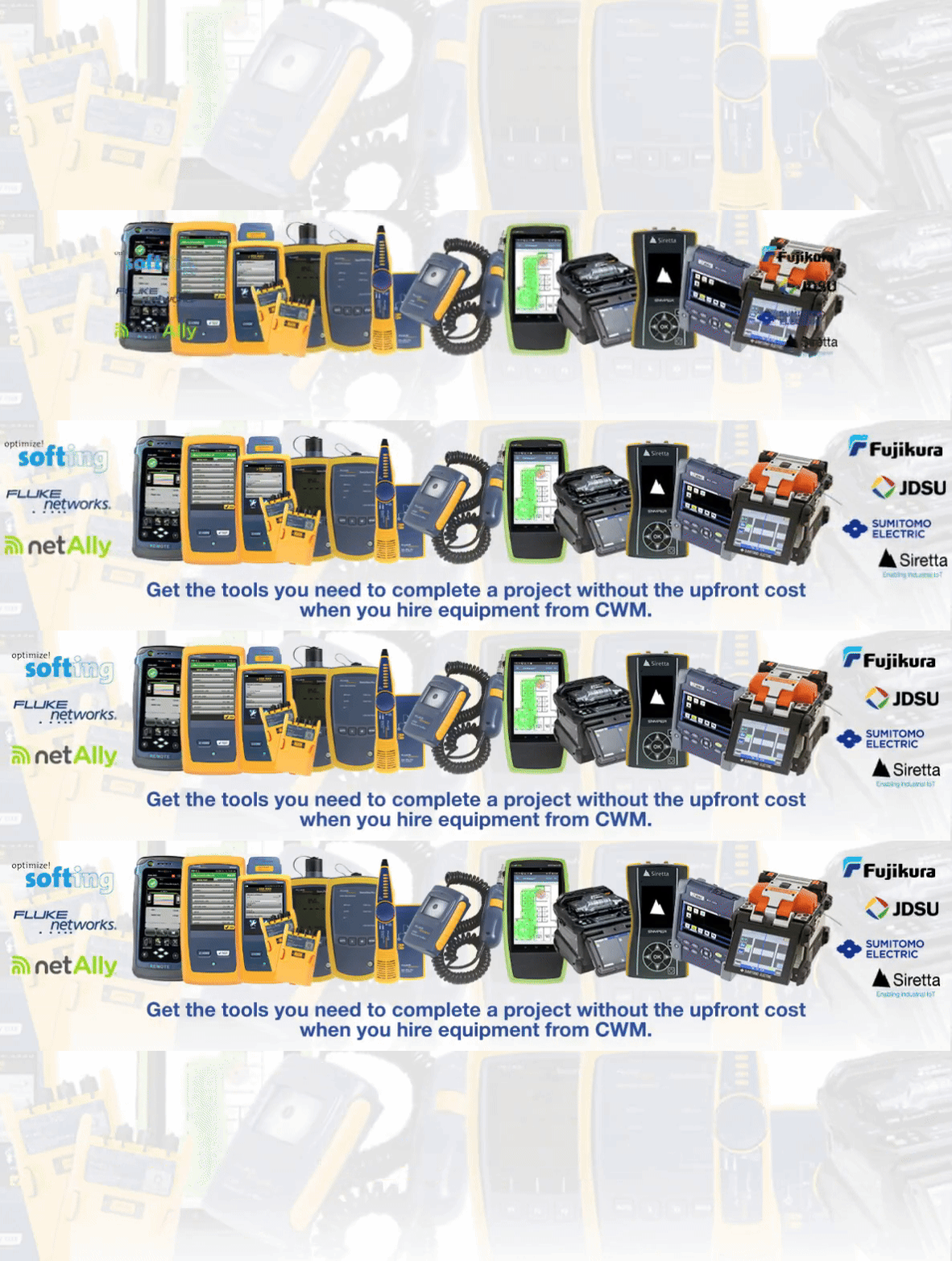
Some essential tools for cable installations include cable testers, cable cutters, crimping tools, and cable management equipment like trays, clips, and ties. You can also hire these tools from CMW to make your job easier and more cost-effective.

By following these best practices for cable routing and installation, you can ensure that your network cabling infrastructure remains efficient, organised, and ready for the long haul.
If you need any assistance with your installation or want to hire top-notch equipment, don't hesitate to reach out to CMW, we're always ready to help.
Related Products
