

What are the best practices for securing cables inside a wire mesh basket?
Posted on: 28/04/2025
Properly securing your cables inside a wire mesh basket tray is a must when running a clean and safe cabling installation.
The best practices? Use appropriate fixings, avoid overfilling the tray, support at regular intervals, and always plan your runs with accessibility and airflow in mind.
Sounds simple. Yet you'd be surprised how often things go awry when those basics are overlooked.
Whether you're a seasoned data installer or an electrician branching into network cable management, following these tried-and-true methods will help you deliver a professional finish and avoid that "spaghetti junction" look.
The best practices? Use appropriate fixings, avoid overfilling the tray, support at regular intervals, and always plan your runs with accessibility and airflow in mind.
Sounds simple. Yet you'd be surprised how often things go awry when those basics are overlooked.
Whether you're a seasoned data installer or an electrician branching into network cable management, following these tried-and-true methods will help you deliver a professional finish and avoid that "spaghetti junction" look.

Why wire mesh baskets?
Wire mesh baskets have become the go-to choice for data and comms cabling because they're:
Lightweight and easy to handle
Quick to cut and configure on-site
Excellent for ventilation (hello, airflow!)
Easy to access when adding or removing cables
But without proper cable securing practices, they can quickly become chaotic. Cue the cable ties, saddles, and a bit of forethought.
Cable Securing Best Practices
Use the correct fixings.
There's a time and place for cable ties—this is one of them. But not all ties are created equal:
Use releasable Velcro ties for data cables (less stress on the cores)
Use nylon cable ties for fixed installations (when reworking isn't expected)
Add cable retainers or drop-outs to support changes in direction.
If you're running fibre or high-speed data, gentle handling is necessary. Do not use tight ties that might compress and damage the cables.
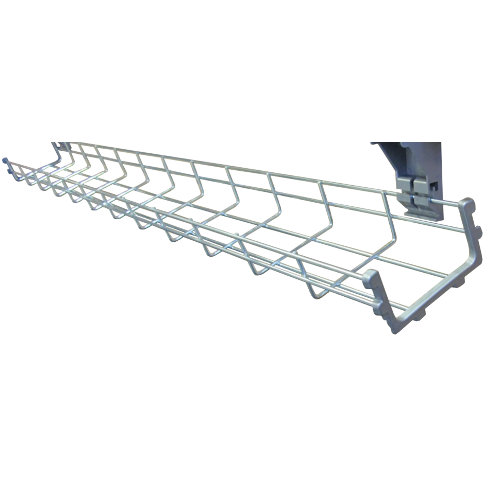
Don't overload the tray.
It's tempting to squeeze just one more bundle in there but resist. Overloading:
Compromises airflow
Makes maintenance harder
Risks damaging the cables' outer sheath
Stick to the manufacturer's fill capacity and plan your tray runs with growth in mind.
Support the tray at regular intervals.
Support brackets should be installed:
Every 1.5 to 2 metres, depending on tray size and cable weight
At changes in direction, elevation, or termination points
This prevents sagging and keeps everything neat and functional.
Label and segregate where possible.
Mixing power and data? Keep them separate using dividers within the tray. Labelling key routes and services with cable markers makes future maintenance less like a wild goose chase.
Think long term
Run extra capacity if you can. Install access points at key locations. And always make sure the system remains accessible in the future. You (or the next installer) will thank you.
A quick reality check...
Let's face it—no one's perfect. But every effort to secure your cabling properly adds real value. It keeps systems running smoother, makes fault-finding easier, and just looks sharp. You never know when a client might peek above the ceiling tiles, so don't give them a reason to question your workmanship.


Wrapping it up
Securing cables properly in a wire mesh basket tray isn’t just good practice it’s essential for performance, safety, and futureproofing. With the right approach, tools, and a bit of tidy pride, your install can go from "functional" to "flawless."
At CMW, we stock everything from tray systems to fixings and labelling tools plus we offer equipment hire if you need something for a one-off job. Whether you're a cabling pro or looking to tidy up your first install, we’ve got the gear and advice to back you up.
Need help? Give us a shout. We’ll help you avoid the dreaded "cable salad."
Related Products
