

What should I do if the conduit material is deteriorating or cracking?
Posted on: 15/04/2025
When your conduit starts to crack, deteriorate or show signs of wear, it's time to act and fast.
The short answer? Replace damaged conduit immediately to maintain safety, performance, and compliance. Whether it's flexible, rigid, or galvanised conduit, damaged containment systems can expose cables to physical damage, moisture, and interference.
At CMW, we've seen how something as minor as a split in the conduit can lead to significant issues down the line, and no one wants a job revisited for the wrong reasons.
The short answer? Replace damaged conduit immediately to maintain safety, performance, and compliance. Whether it's flexible, rigid, or galvanised conduit, damaged containment systems can expose cables to physical damage, moisture, and interference.
At CMW, we've seen how something as minor as a split in the conduit can lead to significant issues down the line, and no one wants a job revisited for the wrong reasons.

What causes the conduit to crack or deteriorate?
Understanding the why can help you prevent future issues. Some common culprits:
UV exposure (especially for plastic or PVC conduit)
Excessive flexing or movement
Corrosive environments (think moisture, chemicals or salty air)
Incorrect installation or the wrong type of conduit for the job
Ageing – eyes and conduit get old, too. Unfortunately, there is no anti-wrinkle cream for that.
What should I do next?
Here's a practical checklist:
Assess the damage
Look for:
Cracks or splits in flexible conduit
Rust or corrosion on galvanised conduit
Warping or brittleness in plastic materials
Identify the conduit type.
Different conduits behave differently under stress:
Flexible conduit: prone to cracking with over-bending or UV exposure.
Rigid Conduit (PVC or steel): may become brittle over time.
Galvanised conduit is robust but susceptible to rust if scratched or used in harsh environments.
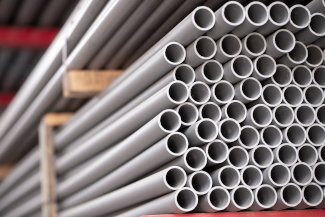
Replace with the right material.
Matching the new conduit to the environment is key:
Use galvanised steel for durability in industrial or outdoor settings.
Use flexible conduit where mobility or vibration is a factor.
Use PVC rigid conduit indoors or in dry, clean settings.
If the conduit cracks, it may be part of a broader issue. Reassess the installation:
Are the bends too sharp?
Is there movement the conduit wasn't designed for?
Should you be using a cable tray instead?
A damaged conduit isn't just an eyesore. It's a safety hazard, a compliance risk, and frankly, it can become a bit of a reputation killer. Whether you're a data installer, electrician, or wholesaler, making the right call now can save time and money, not to mention a call from a frustrated client.
Matching the new conduit to the environment is key:
Use galvanised steel for durability in industrial or outdoor settings.
Use flexible conduit where mobility or vibration is a factor.
Use PVC rigid conduit indoors or in dry, clean settings.
Review your cable management.
If the conduit cracks, it may be part of a broader issue. Reassess the installation:
Are the bends too sharp?
Is there movement the conduit wasn't designed for?
Should you be using a cable tray instead?
Why this matters (more than you think)
A damaged conduit isn't just an eyesore. It's a safety hazard, a compliance risk, and frankly, it can become a bit of a reputation killer. Whether you're a data installer, electrician, or wholesaler, making the right call now can save time and money, not to mention a call from a frustrated client.


FAQs
Can I repair conduit instead of replacing it?
You can sometimes use couplers or sleeves for minor splits, but replacement is best for long-term integrity, especially in safety-critical areas.
How long should the conduit last?
That depends on the type and environment, but good-quality conduit can last 20+ years if properly installed and maintained.
Is a galvanised conduit suitable for outdoor use?
Yes – but ensure it's not scratched or poorly installed, as exposed areas can rust over time.
Can I run a new cable through the damaged conduit?
Not recommended. The rough edges of cracked conduit can damage insulation and compromise safety.

Final thoughts
Conduit is the unsung hero of any well-managed cabling system. Don't let it quietly fail in the background. If yours is showing signs of age, don't delay.
Whether retrofitting, upgrading or starting fresh, CMW is here to help with reliable stock, fast delivery, and equipment hire when needed.
Your cables deserve better than a cracked plastic sleeve, don't they?
Related Products
