

What size conduit do I need for my cables?
Posted on: 29/05/2025
What size conduit do I need for my cables?
It depends on the type, number, and size of the cables you’re running.
You’ll also need to factor in future capacity, bend radius, and the type of conduit system you're using.
Whether you're managing a single run of Cat6 or multiple power and data lines, choosing the right conduit size is critical for proper cable protection and safe, compliant installation.

Why Conduit Sizing Matters
Getting the conduit size wrong can lead to:
Overheating of cables
Difficult or impossible cable pulls
Potential damage during installation
Non-compliance with wiring regulations
Think of it like trying to push a sleeping bag into a pencil case. Sure, it's all “technically” going in the same direction, but it’s going to end badly.
Key Factors to Consider
Number and Type of Cables
The more cables you're routing, the larger your conduit needs to be. For example, three Cat6 data cables may require a 20mm conduit, but 10 cables might need 32mm or larger.
Cable Diameter
Use manufacturer specs to determine the outer diameter of each cable. Multiply by the number of cables, then apply the 40% fill rule: the total cable cross-sectional area should not exceed 40% of the conduit’s internal area.
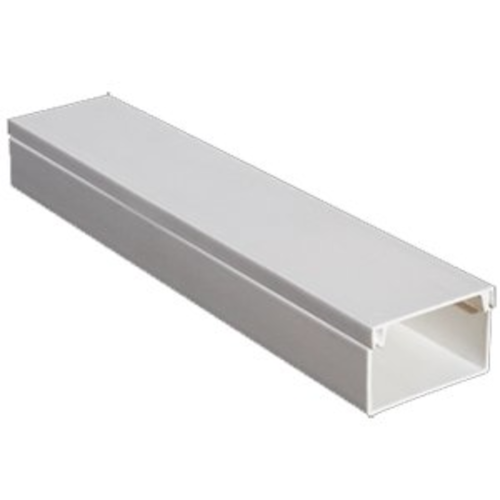
Conduit Type
Some conduits have thicker walls or a smaller internal diameter.
Rigid conduit: Tough but may limit usable space
Flexible conduit: Great for tight bends but can reduce internal volume
IP-rated conduit systems: Excellent for cable containment in wet or dusty environments
Future Expansion
Leave space for growth. If you might add more cables later, upsize now to avoid redoing the entire conduit installation.
Tools That Can Help
Need a little help crunching the numbers? There are several conduit sizing calculators available online. They let you plug in the cable types and quantities and spit out the recommended conduit size. One quick search could save you hours on-site.
Don’t Forget the Accessories
Conduit fittings and conduit accessories (like bends, couplings, and glands) also play a role. Tight bends and too many junctions can make it harder to pull cables through no one likes a tug of war with a stubborn RJ45.


FAQs
Can I mix power and data cables in the same conduit?
It’s not recommended. Separation is advised to prevent interference and meet most wiring regulations.
What’s the difference between nominal and internal conduit size?
Nominal is the labelled size but always check internal diameter to be sure it suits your cable routing requirements.
What’s an IP-rated conduit system?
IP-rated conduit offers extra protection against water, dust, and other environmental factors—ideal for outdoor or industrial use.
Is flexible conduit better than rigid conduit?
It depends on your application. Flexible conduit is easier to install around obstacles, but rigid offers superior protection.
How do I avoid damage during cable pulls?
Use proper cable lubrication, ensure bends meet minimum radius requirements, and never overfill your conduit.

Related Products
