

What’s the Difference Between Channel Adapters and Patch Cord Adapters?
Posted on: 23/04/2025
If you’re testing your network cabling and wondering whether to use a channel adapter or a patch cord adapter, the answer depends on what you’re testing.
Channel adapters measure the performance of the entire link, including permanent and patch cords, while patch cord adapters focus solely on the quality of individual patch leads.
Think of it as testing a motorway. Do you want to check the whole route or just a single lane?
Channel adapters measure the performance of the entire link, including permanent and patch cords, while patch cord adapters focus solely on the quality of individual patch leads.
Think of it as testing a motorway. Do you want to check the whole route or just a single lane?

Channel Adapters: The Full Picture
When performing channel testing, you assess the complete installed link from end to end. Channel adapters, like those used with Fluke Networks’ DSX CableAnalyzer Series, allow for a broader view of how the cable infrastructure performs. This includes the permanent cabling and the patch cords at either end.
Key Points About Channel Adapters:
They measure performance from one network device to another.
They include the effects of patch cords but don’t individually certify them.
It is ideal for ensuring that an installed system meets overall performance standards.
Patch Cord Adapters: The Fine Details
Patch cord testing is all about verifying the quality of the patch leads. Patch cord adapters help you determine whether a specific patch cable meets stringent performance standards before it’s deployed in a network. This is especially important for high-speed data networks, such as Cat6A and above, where a poorly made patch lead can compromise performance.
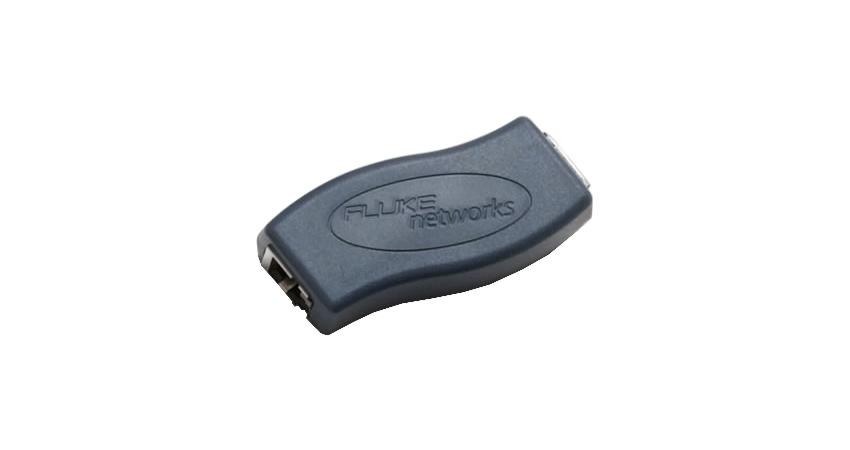
Key Points About Patch Cord Adapters:
Used to test the quality of an individual patch cord rather than an entire link.
Helps ensure compliance with TIA and ISO/IEC standards.
It is crucial for data centres, where every component must perform at peak levels.
Which One Do You Need?
To test an entire installed link, use a channel adapter.
To certify individual patch cords, use a patch cord adapter.
If your issue is intermittent or performance-related, Consider testing both to rule out problems at different points in the network.
And if you’re thinking, “Well, I’ll just use any old patch lead I have lying around,” remember: a cheap patch cord can turn your high-spec installation into a slow, unreliable mess. Not all cables are created equal.


FAQs
Can I use a patch cord adapter instead of a channel adapter to test an installed network?
No. A patch cord adapter is specifically designed for testing patch leads, not installed networks. For complete network performance validation, you need a channel adapter.
Are Fluke Networks adapters compatible with all cables?
Fluke Networks offers a range of adapters for different cable types, but it’s essential to check compatibility for the specific category (Cat5e, Cat6, Cat6A, etc.) you are working with.
Do I need to test patch cords separately if my channel test passes?
That is not necessarily the case, but if you experience connectivity issues, poor patch cords could be the culprit. Testing patch cords separately is a good idea if you’re working in a high-performance environment.
How often should patch cords be tested?
New patch cords should be tested before deployment for critical applications. If performance issues arise in existing installations, regular testing is recommended.
What launch and receive cables should I use with my OTDR?
This depends on the fibre type and test setup. Using matched fibre launch cables ensures accurate OTDR measurements by compensating for dead zones and connection losses.

Final Thoughts
When testing, using the correct adapter makes all the difference.
Channel adapters are your go-to for assessing an entire link, while patch cord adapters ensure that individual patch leads aren’t the weak link in your network.
If you want reliable performance, don’t overlook the small details. Sometimes, the tiniest cable can cause the biggest headaches.
Related Products
