
Why Are My Spliced Fibres Not Meeting the Required Performance Standards After Fusion Splicing?
Posted on: 23/04/2025
You've carefully fusion-spliced your fibre cables, but when you test them, the loss readings are higher than expected. What gives? The answer usually comes down to a few common culprits, such as contamination, poor cleaving, misalignment, or even the settings on your fusion splicer. A minor issue in these areas can distinguish between a seamless connection and a costly redo. Let's break down what might be going wrong and how you can fix it.

Arc Calibration: The Right Heat Matters
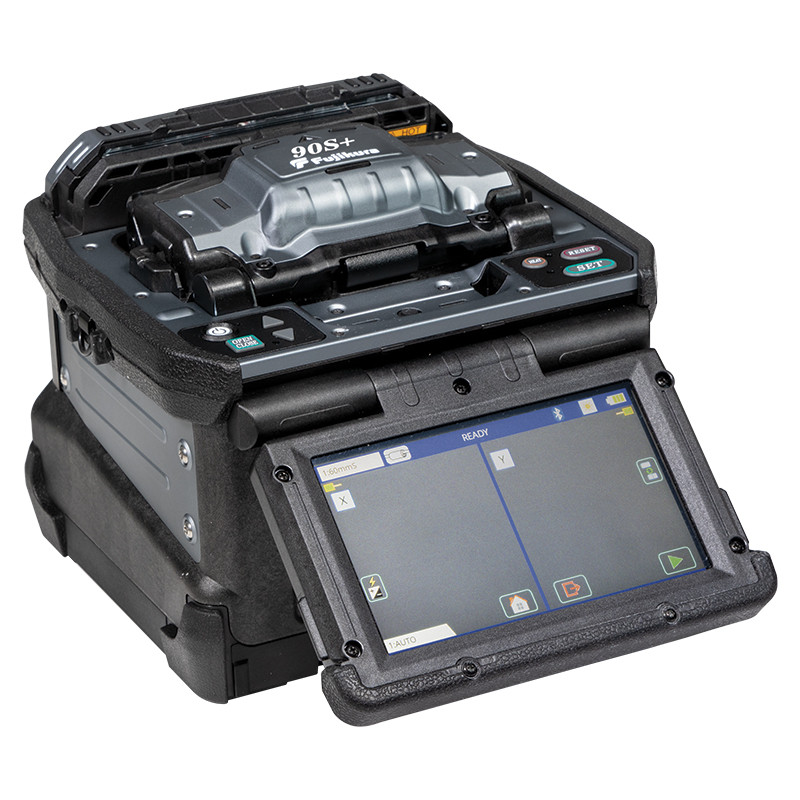
The splice won't bond appropriately if the arc fusion is too weak. Too strong, and you risk burning or deforming the fibre. Things to check:
Ambient conditions: Humidity and temperature changes can affect arc calibration.
Electrode wear: Regularly replace electrodes to maintain a stable arc.
Automatic calibration: Run a calibration test if your splicer supports it.
Fibre Type Mismatch
Mixing different fibre types can cause performance issues. Double-check that:
Both fibres have the same core diameter and refractive index.
You're using the correct fusion splicer program for the fibre type.
If you're working with single-mode and multimode fibres, make sure you're not accidentally splicing them together; they don't play well together.

FAQs
Why is my fusion splicer showing high splice loss?
This is usually due to contamination, poor cleaving, fibre misalignment, or incorrect splicer settings. Check your cleaning process, cleaver condition, and splicer calibration.
How often should I clean my fusion splicer?
Clean the V-grooves, electrodes, and fibre holders before each job regularly. Dirty equipment is one of the biggest causes of poor splices.
How do I know if my cleaver blade needs replacing?
If you notice inconsistent cleaves, higher-than-normal splice losses, or visible rough ends on fibres, it's time to rotate or replace the blade.
Does the type of fibre I use affect my splice quality?
Yes! Always make sure you're splicing the same fibre type (e.g., single-mode to single-mode) and using the correct program on your splicer.
Can environmental factors affect my splicing results?
Absolutely. High humidity, temperature fluctuations, and even air movement can impact splicing quality. If working in harsh conditions, adjust your arc calibration accordingly.

Final Thoughts
Fusion splicing isn't just about pressing a button; it's a precision process where minor errors lead to big problems. To get the high-performance results you need, keep your tools clean, perfect your cleaving technique, and ensure proper splicer calibration.
If your splicer isn't cutting it (pun intended), consider hiring a top-tier fusion splicer from CMW. Need help choosing the right one? We're here to help.
Related Products
