

Why does my conduit get too hot when cables are running through it?
Posted on: 12/05/2025
If your electrical conduit is heating up more than a summer car seat, it’s not just uncomfortable; it could be dangerous.
The cables inside are likely generating too much heat due to poor installation, overfilling, or the wrong type of conduit for wiring.
Heat has nowhere to escape, and before you know it, that PVC conduit you installed is sweating bullets, or worse, melting.
Let’s break it down and understand what’s happening inside that pipe.
The cables inside are likely generating too much heat due to poor installation, overfilling, or the wrong type of conduit for wiring.
Heat has nowhere to escape, and before you know it, that PVC conduit you installed is sweating bullets, or worse, melting.
Let’s break it down and understand what’s happening inside that pipe.
Common Causes of Overheating in Electrical Conduit
Overfilling the Conduit
Imagine stuffing five people into a Mini Cooper. That’s what it’s like when you cram too many cables into one flexible or metal conduit.
Too many conductors = less air flow.
Less air flow = heat build-up.
Heat build-up = insulation damage, fire risk, and failed installations.
For conduit fill capacity charts, check out the National Electrical Code (NEC) or the IET Wiring Regulations (for UK readers).
Improper Cable Sizing
Undersized cables carrying a large load are a recipe for overheating. If you’re running 32A through a 1.5mm² cable, expect it to run hot, possibly too hot.
Wrong Type of Conduit
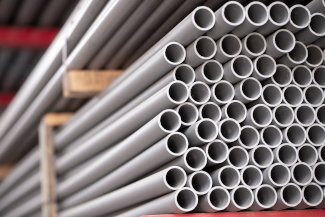
Using PVC conduit in an environment with high ambient temperatures or under heavy loads? PVC doesn’t dissipate heat well. Metal conduit, like steel or aluminium, offers better thermal conductivity and might be a better choice.
Poor Installation Practices
Tight bends restrict airflow.
Bundling cables too closely increases thermal resistance.
Running conduits near heat sources (e.g., boilers, HVAC units) will only worsen things.
Tips to Prevent Conduit Overheating
Use metal conduit where heat is a concern.
Stick to conduit installation tips from recognised standards.
Consider ventilated trunking or basket trays as alternatives.
Never exceed the fill rate for your chosen conduit.
Space cables when possible, to allow heat to dissipate.



Final Thoughts
Hot conduits are more than an annoyance; they’re a red flag. Whether you’re an experienced electrician or a data installer planning your next big job, proper cable protection solutions and smart conduit installation tips are key.
Related Products
