
Can these adapters test both Cat5e, Cat6, and Cat6A patch cords?
Posted on: 11/04/2025
Yes, They Can—With the Right Equipment
If you’re testing patch cords across different categories like Cat5e, Cat6, and Cat6A, you need the right patch cord adaptors.
The good news? Fluke Networks offers adaptors that can handle all three cable types, ensuring you get reliable, standards-compliant results.
But before you grab just any testing solution, let’s break down why patch cord adaptors matter, how they work, and what you need to look for.

Why Use Patch Cord Adaptors?
Patch cord adaptors are essential for ensuring the performance of pre-terminated cables. Unlike permanent link testing, which verifies installed cabling, patch cord testing evaluates the entire assembly—cable, connectors, and termination. That’s why a proper testing setup is crucial for maintaining quality and compliance.
With a high-quality tester like the Fluke Networks DSX CableAnalyzer Series, you can:
Verify if a patch cord meets TIA and ISO performance standards
Identify faults caused by poor connector terminations
Prevent network issues before installation
And let’s be honest, nobody wants to troubleshoot intermittent network failures because of a dodgy patch lead.
How Do Patch Cord Adaptors Work?
Patch cord adaptors connect directly to the testing unit, allowing you to measure parameters like:
Insertion Loss – How much signal is lost over the cable
Return Loss – The amount of signal reflected due to impedance mismatches
NEXT (Near-End Crosstalk) – Interference between adjacent pairs
For Cat5e, Cat6, and Cat6A, you’ll need adaptors that support each cable’s unique specifications. For instance, Cat6A requires more stringent alien crosstalk testing due to its higher bandwidth.
Which Patch Cord Adaptors Should You Use?
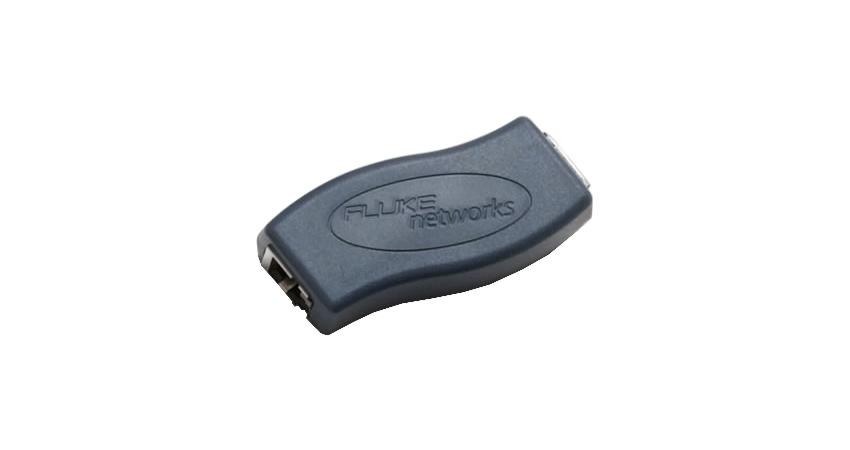
Fluke Networks provides dedicated patch cord testing adaptors, such as:
DSX-PC5ES & DSX-PC6S – For Cat5e & Cat6 patch cords
DSX-PC6AS – Specifically designed for Cat6A cords
These adaptors ensure field certification of patch cords to meet industry standards, reducing potential network headaches.

FAQs
Can I test Cat5e, Cat6, and Cat6A with the same patch cord adaptor?
Not always. While some adaptors are cross-compatible, Cat6A requires specific adaptors to meet higher performance standards.
Do I need to test patch cords if I’ve already tested the installed cabling?
Yes, even a high-quality cabling installation can be compromised by poorly manufactured or incorrectly terminated patch cords.
Can I use a Fluke Networks DSX-5000 to test patch cords?
Yes, but you’ll need the appropriate patch cord adaptors for accurate results.
How often should I test patch cords?
If you’re installing or maintaining networks regularly, it’s good practice to test new patch cords before deployment.
Is it worth investing in a tester for occasional use?
If you’re an installer or contractor, absolutely. For one-off tests, hiring the equipment might be a more cost-effective option.

Final Thoughts
Testing patch cords isn’t just about ticking boxes, it’s about preventing performance issues before they arise. With the right Fluke Networks patch cord adaptors, you can ensure that your Cat5e, Cat6, and Cat6A cables meet industry standards, keeping your network installations running smoothly.
And let’s face it, the last thing you want is to troubleshoot network problems caused by a £5 patch lead. Test before you trust.
Related Products
