
How do I properly set up and run a continuity test using a DSX tester?
Posted on: 10/04/2025
Setting Up and Running a Continuity Test with a DSX Tester
A continuity test checks whether a cable is connected correctly from end to end, ensuring no breaks or miswires.
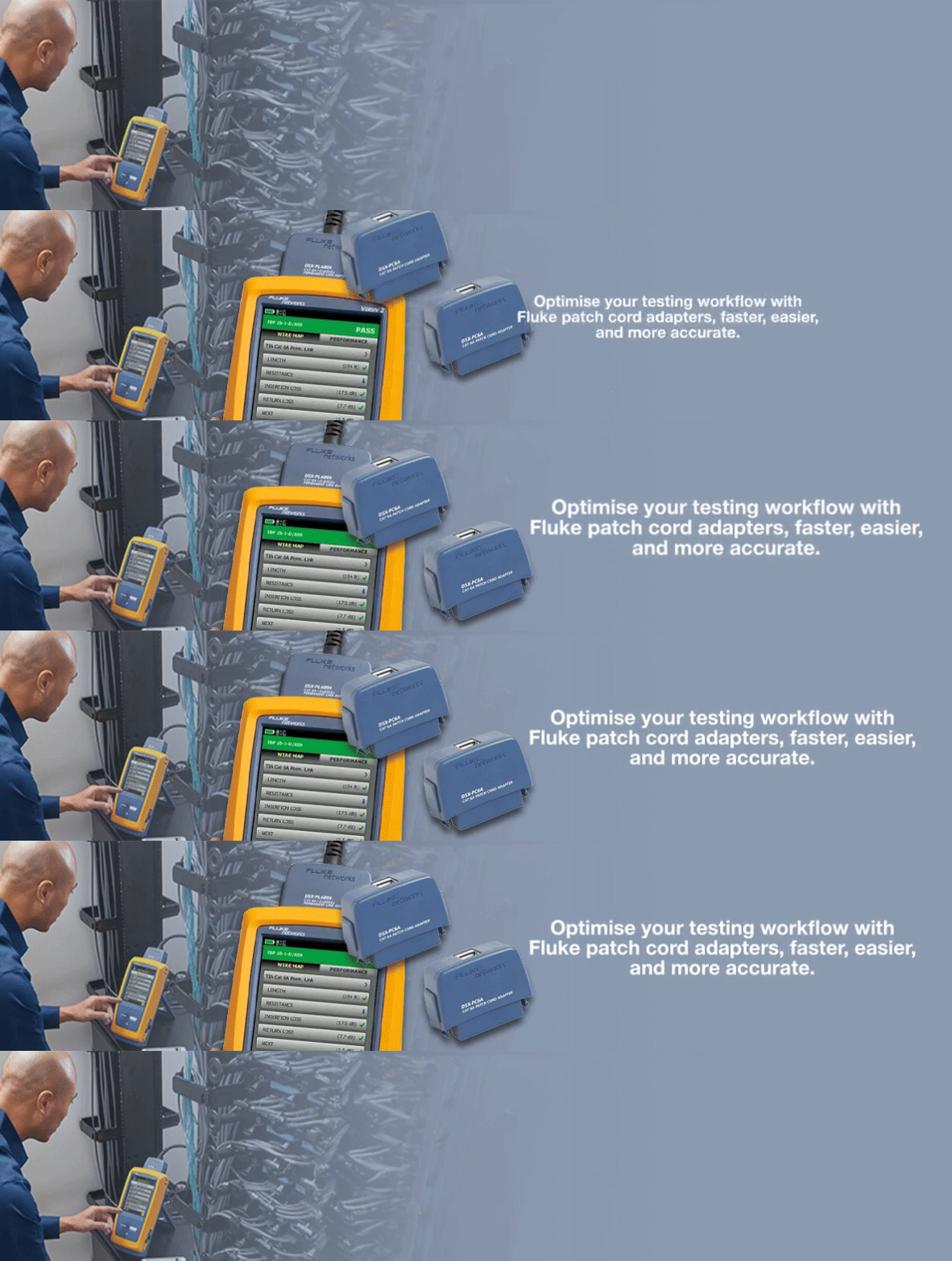
The process is straightforward with a Fluke DSX-5000 or DSX-8000. Connect the tester to both cable ends, run an Autotest, and review the results.
If the cable fails, the tester will pinpoint the issue so you can fix it.
A continuity test checks whether a cable is connected correctly from end to end, ensuring no breaks or miswires.
The process is straightforward with a Fluke DSX-5000 or DSX-8000. Connect the tester to both cable ends, run an Autotest, and review the results.
If the cable fails, the tester will pinpoint the issue so you can fix it.

Let's break it down step by step:
Step 1: Gather Your Equipment
Before you start, make sure you have:
A Fluke DSX-5000 or DSX-8000
The correct adapters for your cable type (e.g., RJ45, coaxial, fibre)
A calibrated reference cord
Both ends of the cable are accessible.
Step 2: Connect the DSX Tester
Turn on your DSX tester and ensure it has sufficient battery.
Plug the central unit into one end of the cable.
Connect the remote unit to the opposite end.
Ensure a secure connection; loose connections can lead to false failures.
Step 3: Select the Right Test
On the DSX tester, navigate to Autotest and select the appropriate test standard (Cat5e, Cat6, Cat6A, etc.).
If testing a shielded cable, enable the **shield continuity** check.
Press Start to begin the test.

FAQs
Can I use a DSX tester to check the continuity of fibre cables?
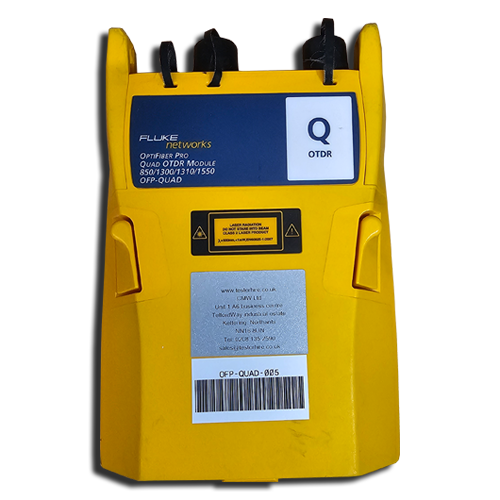
The DSX supports fibre testing, but you need detailed analysis, fibre optic adapters and an OTDR module.
What's the difference between the DSX-5000 and DSX-8000?
The DSX-8000 is the newer model with faster test times and support for Cat8 certification. The DSX-5000 is still widely used for Cat6A and below.
Why did my test fail even though my cable looked fine?
Failures can result from bad terminations, incorrect wiring, or cable damage. Always double-check the terminations and test settings.
Do I need to recalibrate my DSX tester?
Yes, regular calibration ensures accurate results. Fluke Networks recommends recalibration annually.
Can I hire a DSX tester instead of buying one?
At CMW, we offer DSX-5000 and DSX-8000 units for short-term hire*, saving you the upfront purchase cost.

Final Thoughts
A DSX-5000 or DSX-8000 makes continuity testing quick and reliable. By following the steps above, you can ensure your cables are correctly installed and avoid costly rework.
And if you only need a tester occasionally, hiring one from CMW could be the more intelligent move.
Related Products
