

How Long Does a Fusion Splice Last?
Posted on: 06/03/2025
The Short Answer: A Lifetime (If Done Right!)
A properly executed fusion splice can last a lifetime; you read that right. Unlike mechanical splicing, which relies on connectors and adhesives, fusion splicing creates a near-perfect, seamless bond between two optical fibres. This method ensures minimal signal loss and maximum durability, making it the gold standard in fibre optic installations. But, as with anything, the longevity of a fusion splice depends on a few key factors: the quality of the splice, environmental conditions, and how well it’s protected after installation.

What Affects the Longevity of a Fusion Splice?
Even though fusion splices are designed to last indefinitely, real-world conditions can sometimes shorten their lifespan. Here’s what you need to consider:
Quality of the Splice
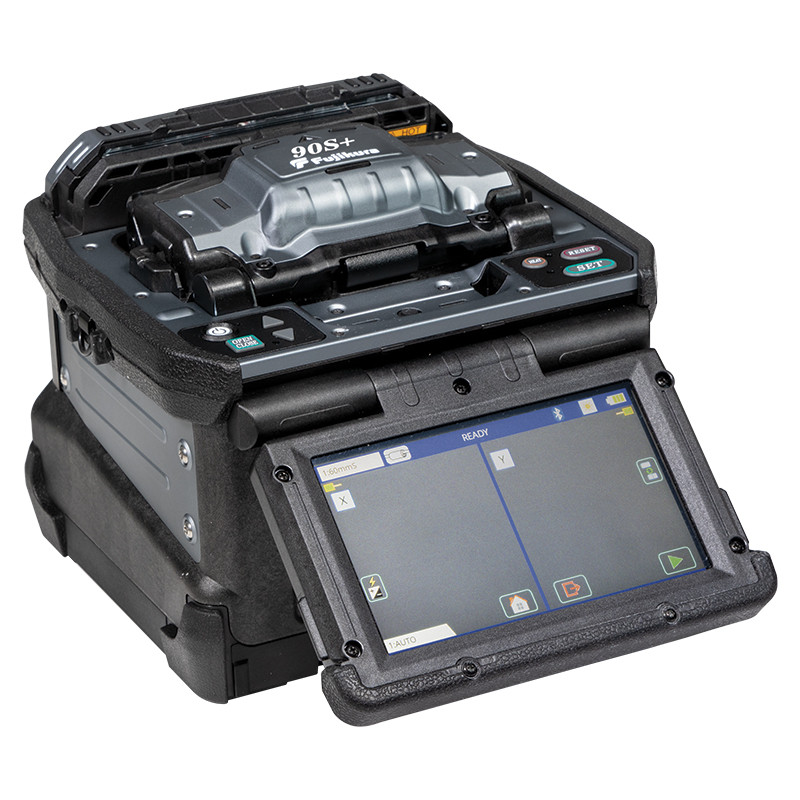
The precision of the fusion splicer plays a crucial role. A high-quality splicer like the Sumitomo 72C+ or Fujikura 90S+ ensures a strong, low-loss connection.
Poorly aligned fibres or contaminants can introduce weak points, leading to potential failures over time.
Environmental Conditions
Extreme temperatures, humidity, and exposure to UV radiation can degrade the protective sleeve and introduce stress fractures.
Underground and aerial installations face additional risks from water ingress, rodents, and physical damage.
Protection & Strain Relief
After splicing, fibres should be housed in a secure splice tray or closure to prevent movement and physical stress.
Proper cable management is essential; loose, unprotected splices are more likely to fail.
Real-World Durability: Examples from the Field
Telecom Networks: Fusion splices in long-haul fibre networks routinely last 25+ years with minimal maintenance.
FTTH Installations: Well-protected fibre-to-the-home (FTTH) splices often last decades, provided they are not disturbed.
Harsh Environments: Military and industrial fibre networks rely on fusion splices to withstand extreme conditions, from desert heat to arctic cold.

FAQs
Can a fusion splice fail?
Yes, but it’s rare if done correctly. Failures usually result from poor alignment, contamination, or environmental damage.
How do I know if a fusion splice is good?
A good splice should have minimal signal loss (typically <0.1dB) and pass visual inspection with no visible misalignment or bubbles.
Do fusion splices require maintenance?
Not really. They require little to no maintenance once enclosed in a splice tray and protected. However, periodic testing can help identify potential weak points.
Is fusion splicing better than mechanical splicing?
Absolutely. Fusion splicing provides lower loss, higher durability, and better long-term reliability than mechanical splicing.
Can I hire a fusion splicer instead of buying one?
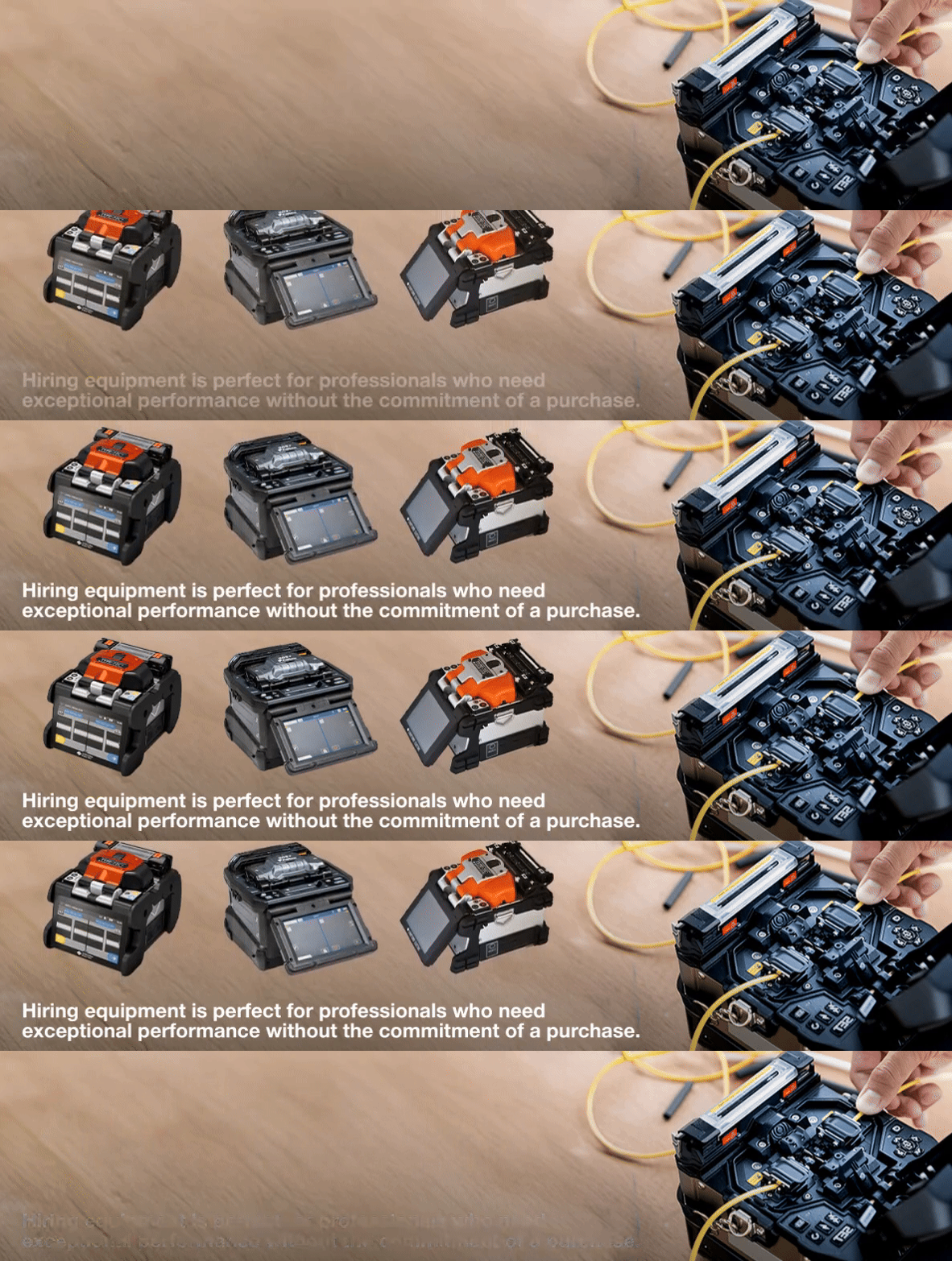
Yes, CMW offers fusion splicer hire, allowing you to get high-quality splicing equipment without the hefty upfront cost.
Final Verdict: Can a Fusion Splice Last Forever?
In an ideal setup, a fusion splice can remain intact for the entire lifespan of the fibre optic cable, typically 20–40 years. With proper installation and protection, failures are rare.

Final Verdict: Can a Fusion Splice Last Forever?
In an ideal setup, a fusion splice can remain intact for the entire lifespan of the fibre optic cable, typically 20–40 years. With proper installation and protection, failures are rare.
A fusion splice is like a good marriage; it’s meant to last forever, but only if you take care of it properly.
Related Products
