
Why Your Fluke Patch Cord Adapter Fails Calibration (and How to Fix It) | CMW
Posted on: 03/04/2025
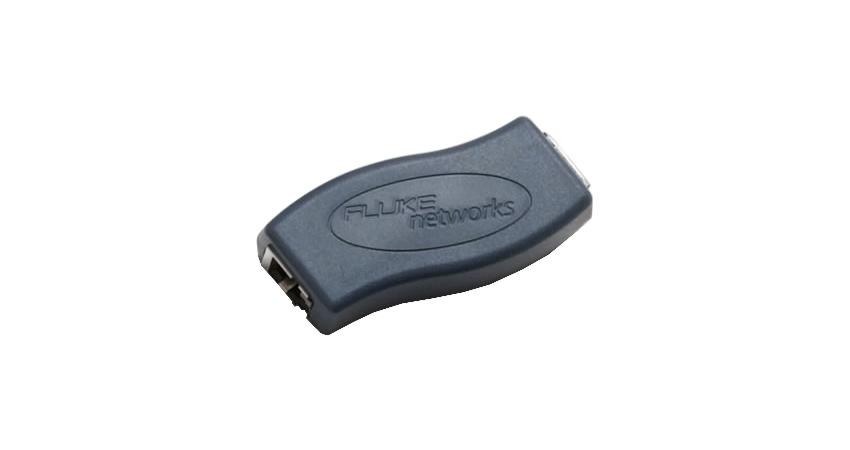
If your Fluke patch cord adapter is failing calibration checks, chances are it’s not actually the adapter itself that’s faulty.
The issue usually lies with the patch cords you’re using, the cleanliness of the connectors, or wear and tear affecting performance.
Fluke Networks’ testing equipment is incredibly precise, so even minor imperfections can lead to a failed calibration.
But don’t worry before you panic and assume your tester is broken, let’s go through the main culprits behind these failures and how to resolve them.

Common Reasons for Calibration Failures
Dirty or Damaged Connectors
A tiny speck of dust or a slightly scratched connector end-face can wreak havoc on your test results. Fluke patch cord adapters rely on pristine terminations to ensure accurate testing.
Solution
Always inspect and clean your connectors before testing.
Use an approved fibre optic or RJ45 cleaning tool to remove dust and debris.
If a connector is visibly damaged, replace the patch cord.
Worn-Out Patch Cords
Patch cords have a limited lifespan. Over time, repeated bending, insertion, and removal cause wear that can lead to poor contact and increased insertion loss.
Solution
Replace patch cords regularly, especially if they’re frequently used for testing.
Use high-quality, certified patch cords designed for Fluke testing.
Store cables properly to avoid unnecessary strain.
Incompatible or Non-Certified Patch Cords
Not all patch cords are created equal. If you're using generic cables, they may not meet the required performance standards for certification testing.
Solution
Use Fluke Networks-approved patch cords to ensure compatibility.
Check that your cables meet TIA/EIA standards for testing.


FAQs
How often should I replace my patch cords for testing?
If you use them daily, replace them every 6-12 months. For less frequent use, inspect them regularly and replace them at the first sign of wear.
Can I clean my patch cords with alcohol wipes?
While alcohol wipes can work, it’s better to use a dedicated fibre optic or RJ45 cleaning tool to prevent residue buildup.
Do all Fluke testers require specific patch cords?
Yes, for accurate results, always use certified patch cords that meet the required standards for your specific tester model.
What’s the most common reason for calibration failure?
Dirty or worn-out connectors are the top culprits. A quick clean or patch cord replacement often solves the issue.
Is it possible for my Fluke tester itself to be faulty?
It’s rare, but not impossible. If you’ve ruled out all other issues, contact Fluke Networks for support or recalibration.

Fluke patch cord adapters rarely fail on their own it’s usually the cables, connectors, or testing procedure at fault.
By regularly cleaning your connectors, replacing worn-out patch cords, and following correct testing procedures, you’ll minimise calibration failures and keep your network certification tests running smoothly.
And if all else fails, well… maybe it’s time to give your Fluke tester a pep talk.
By regularly cleaning your connectors, replacing worn-out patch cords, and following correct testing procedures, you’ll minimise calibration failures and keep your network certification tests running smoothly.
And if all else fails, well… maybe it’s time to give your Fluke tester a pep talk.
Related Products
