

What are the Key Considerations When Installing Structured Cabling?
Posted on: 08/04/2025
Key Considerations When Installing Structured Cabling
Structured cabling is the backbone of any network infrastructure, providing the connectivity needed for seamless data and voice communications.
When installing structured cabling, the key factors to consider include planning for future growth, choosing the right type of cabling, ensuring compliance with industry standards, and following best installation practices to maintain performance and reliability.
Whether you're working with fibre cabling for high-speed data transfer or copper cabling for versatility, getting it right from the start is crucial.

Plan for the Future
Network demands are only going to increase. Installing a cabling infrastructure that can handle future bandwidth needs saves time and money in the long run. Consider:
Scalability – Will the cabling support future expansions or upgrades?
Capacity – Ensure it meets current and anticipated data traffic.
Flexibility – Modular solutions like structured cabling make changes easier.
Choose the Right Type of Cabling
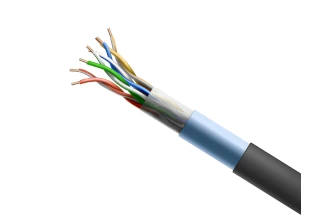
The choice between fibre cabling and copper cabling depends on factors like data transmission distance, speed requirements, and budget.
Fibre Cabling: Ideal for long distances and high-speed data transfers with minimal signal loss.
Copper Cabling: More cost-effective for shorter distances and standard networking needs.
For most installations, a mix of both is the best approach, fibre for backbone connections and copper for horizontal cabling.
Follow Industry Standards
Structured cabling must comply with industry standards such as:
TIA/EIA-568 – Defines commercial building telecommunications cabling standards.
ISO/IEC 11801 – International standard for structured cabling.
BS EN 50173 – European standard for IT cabling infrastructure.
Sticking to these guidelines ensures compatibility, reliability, and easier troubleshooting down the line.
Plan for Environmental Factors
The environment where the cabling will be installed affects performance. Consider:
Temperature & Moisture: Use shielded cables in areas exposed to extreme temperatures or humidity.
Electromagnetic Interference (EMI): Fibre is immune, but if using copper cabling, opt for shielded cables in high-EMI environments.
Physical Protection: Use conduits, trunking, or raised flooring to protect cables from damage.
Proper Cable Management is a Must
Messy cabling not only looks bad but also affects network performance and maintenance. Keep things organised with:
Cable Trays & Racks: Prevent tangling and make maintenance easier.
Velcro Ties Instead of Zip Ties: Easier to adjust and reduce cable damage.
Labelling: Saves hours of troubleshooting in the future.
(A well-organised cabling system also saves your sanity when an unexpected network issue pops up)

FAQs
What is the difference between structured cabling and point-to-point cabling?
Structured cabling follows a standardised design with organised pathways, making it scalable and easier to manage. Point-to-point cabling directly connects devices without a structured framework, often leading to a tangled mess over time.
How long does structured cabling last?
High-quality structured cabling can last 10-20 years if installed correctly and maintained properly. Futureproofing with high-performance cables ensures longevity.
Is fibre cabling better than copper cabling?
Fibre cabling is faster, supports longer distances, and is immune to electromagnetic interference. However, copper cabling is more cost-effective and still widely used for shorter distances. The best solution depends on your specific network requirements.
What are common mistakes to avoid when installing network cabling?
Ignoring industry standards
Using low-quality cables
Poor cable management
Installing cables near power lines, causing interference
Failing to test connections after installation
Why is testing structured cabling important?
Testing ensures cables meet performance requirements and function correctly before going live. Tools like Fluke testers help verify signal quality, continuity, and compliance with standards.
<div class="hs-cta-embed hs-cta-simple-placeholder hs-cta-embed-204460433646"
style="max-width:100%; max-height:100%; width:230px;height:72px" data-hubspot-wrapper-cta-id="204460433646">
<a href="https://cta-eu1.hubspot.com/web-interactives/public/v1/track/redirect?encryptedPayload=AVxigLIjaAqsi7D%2FgIOerIAAa1AB4s3%2BOo%2BuEmpLWVuriwUOEhyHK0TuwuW3iJmSI5YD1NA30VY%2B9RnFSVFF0oLU1f9OI1ntmEyhyImeK%2FBOrpC5oe%2BKz9ooCXB8ASehc8FifzP2YiCrIgKzUNHMKr9RgNcN813EHrvYBuHmRnE%3D&webInteractiveContentId=204460433646&portalId=143748847" target="_blank" rel="noopener" crossorigin="anonymous">
<img alt="Request A Call From A CMW Team Member" loading="lazy" src="https://hubspot-no-cache-eu1-prod.s3.amazonaws.com/cta/default/143748847/interactive-204460433646.png" style="height: 100%; width: 100%; object-fit: fill"
onerror="this.style.display='none'" />
</a>
</div>
style="max-width:100%; max-height:100%; width:230px;height:72px" data-hubspot-wrapper-cta-id="204460433646">
<a href="https://cta-eu1.hubspot.com/web-interactives/public/v1/track/redirect?encryptedPayload=AVxigLIjaAqsi7D%2FgIOerIAAa1AB4s3%2BOo%2BuEmpLWVuriwUOEhyHK0TuwuW3iJmSI5YD1NA30VY%2B9RnFSVFF0oLU1f9OI1ntmEyhyImeK%2FBOrpC5oe%2BKz9ooCXB8ASehc8FifzP2YiCrIgKzUNHMKr9RgNcN813EHrvYBuHmRnE%3D&webInteractiveContentId=204460433646&portalId=143748847" target="_blank" rel="noopener" crossorigin="anonymous">
<img alt="Request A Call From A CMW Team Member" loading="lazy" src="https://hubspot-no-cache-eu1-prod.s3.amazonaws.com/cta/default/143748847/interactive-204460433646.png" style="height: 100%; width: 100%; object-fit: fill"
onerror="this.style.display='none'" />
</a>
</div>
Related Products
