

How do I ensure my cabling setup meets industry standards?
Posted on: 10/04/2025
Start with Compliance and Best Practices
If you want to ensure your cabling setup meets industry standards, the best place to start is with compliance.
Industry standards like TIA/EIA-568, ISO/IEC 11801, and BS EN 50173 define how cabling infrastructure should be designed, installed, and maintained. Following these ensures your network performs efficiently, remains future-proof, and meets legal requirements.
So, before pulling cables through ceilings like a DIY action hero, step back and ask: Does this setup follow the proper guidelines? If not, it could lead to signal interference, poor performance, or safety risks.

Key Areas to Focus On
Choose the Right Cable for the Job
Your choice of copper vs. fibre depends on speed, distance, and environment:
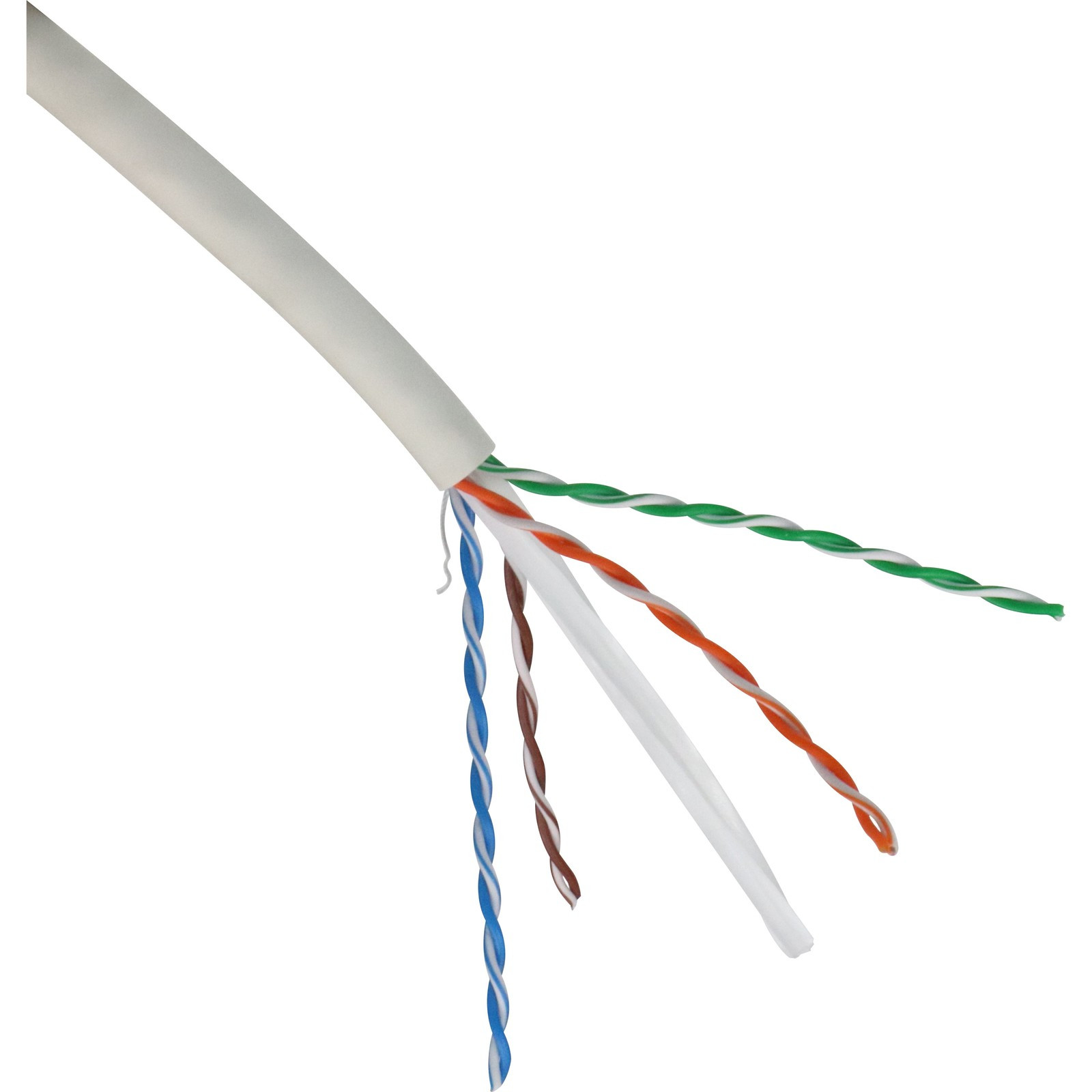
Copper cabling (Cat5e, Cat6, Cat6a, etc.) – Best for short distances and lower-cost installations.
Fibre optic cabling – Ideal for long-distance, high-speed networks with minimal interference.
For example, a small office using Cat6 for workstation connections might be fine, but fibre is the way to go for a data centre with high-speed requirements.
Follow Proper Installation Techniques
A few golden rules:
Keep copper cables away from electrical sources to reduce interference.
Maintain bend radius limits to prevent signal loss.
Use cable trays or containment for a tidy, accessible installation.
Label and document everything future you (or the next installer) will thank you.
Test and Certify Your Cabling
Testing your installation isn’t just best practice it’s essential. Use network testers to verify:
Signal continuity and performance.
Proper terminations
Compliance with industry standards
Example: If you install a Cat6 cable but fail to test it, you might overlook a crimping issue until users complain about slow speeds. A quick certification test upfront saves a lot of headaches later.
Plan for Scalability and Future Growth
Your cabling infrastructure should support future tech upgrades. Running cables through walls is no fun, so installing high-speed cables now (even if you don’t need them yet) can prevent expensive rework later.
Stay Updated on Industry Standards
Technology evolves, and so do standards. Follow updates from BICSI, IEEE, and TIA to ensure your cabling infrastructure remains compliant.


Final Thoughts
Ensuring your cabling meets industry standards isn’t just about ticking boxes. It directly impacts performance, reliability, and longevity.
Whether running fibre cabling in a data centre or copper cabling in an office, following best practices will save time, money, and frustration.
Related Products
