

What are the scalability options for enterprise wireless networks?
Posted on: 17/04/2025
When businesses grow, so do their networking needs. So, what do you do when your WiFi can no longer handle the growing number of devices or users?
The answer is simple: scalability. But what exactly are your options? Let's break it down.
In an enterprise network, scalability refers to expanding the network's capacity without sacrificing performance. Whether adding new buildings, more devices, or increasing your user base, having a flexible, scalable network solution is crucial.
Luckily, several ways to scale an enterprise wireless network are suited to different business needs and environments.
The answer is simple: scalability. But what exactly are your options? Let's break it down.
In an enterprise network, scalability refers to expanding the network's capacity without sacrificing performance. Whether adding new buildings, more devices, or increasing your user base, having a flexible, scalable network solution is crucial.
Luckily, several ways to scale an enterprise wireless network are suited to different business needs and environments.

Access Points (APs) – Adding More Coverage
Adding more access points is one of the simplest ways to scale your wireless network. If your current WiFi system is bogged down by traffic or spatial limitations, spreading additional access points throughout your premises will help improve signal strength and overall network performance. These APs can be placed strategically to ensure that areas with heavy foot traffic or high device density are well-covered.
Example: Imagine your office has a handful of employees working in one building. As your team grows, so does the demand for wireless coverage. By placing APs in different zones, you can ensure seamless connectivity across the entire campus.
Mesh Networks – Seamless Coverage Across Large Areas
A mesh network might be the ideal solution if your company occupies multiple floors or large buildings. Unlike traditional access points, mesh networks allow devices to communicate directly with each other, creating a more seamless, self-healing network. This system is perfect for businesses that need reliable coverage over a large area and don't want to deal with interference or dead zones.
Witty Comment: A mesh network is like having WiFi in every corner of your business. Think of it as the WiFi version of a spider's web with no weak spots.
Wi-Fi 6 and Wi-Fi 6E – Future-Proofing Your Network
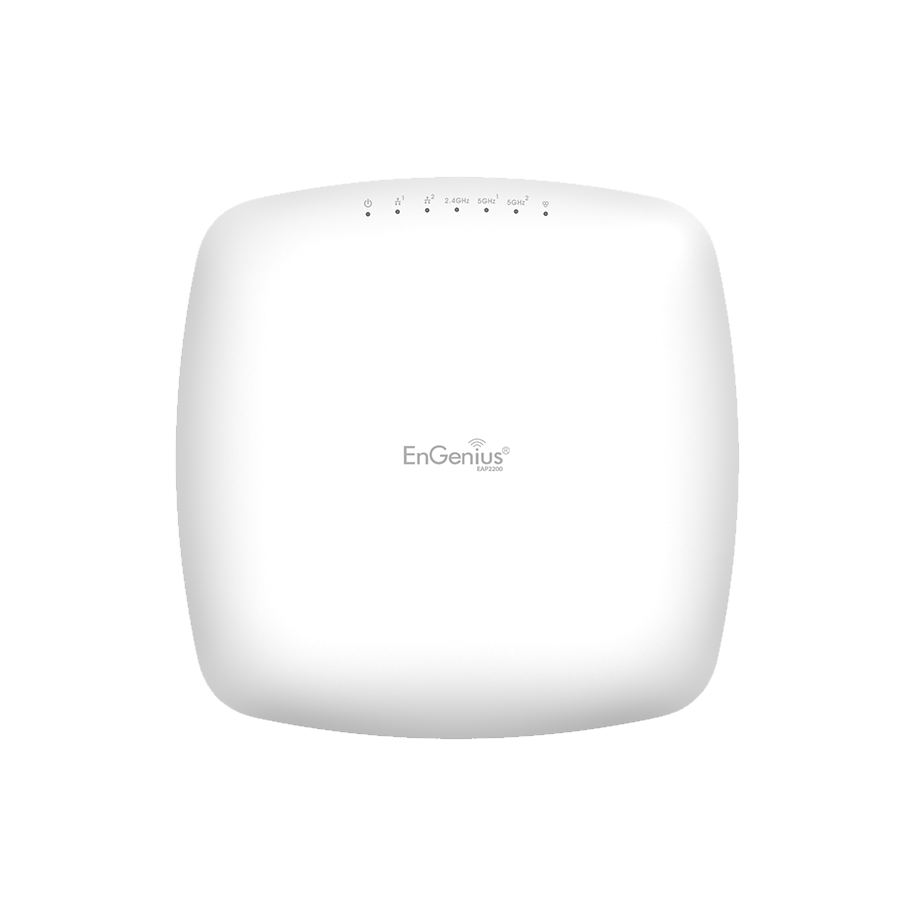
WiFi 6 (also known as 802.11ax) is the latest generation of WiFi technology. It’s designed to handle high-density environments like office buildings, stadiums, or warehouses. It offers faster speeds, lower latency, and improved performance in congested spaces. If you anticipate significant growth, upgrading to WiFi 6 will ensure your network is future-proofed for the increasing number of connected devices.
Cloud-Managed Networks – Centralised Control
A cloud-managed network allows businesses to control their WiFi systems remotely from anywhere. This is especially beneficial for companies with multiple locations, as it simplifies network management and reduces the need for on-site IT personnel. Managing a complex network can become a logistical nightmare as your enterprise grows. Cloud solutions eliminate much of that burden by centralising control and offering real-time analytics to optimise performance.
SD-WAN – Optimising Network Traffic
As your network grows and expands across regions, SD-WAN (Software-Defined Wide Area Network) can help ensure that network traffic is efficiently routed. SD-WAN enables you to manage traffic from branch offices or remote locations to your central hub, providing a more scalable and reliable connection. This is perfect for businesses that rely on cloud applications, as SD-WAN can prioritise bandwidth for critical services.


FAQs
How can I determine if my network is ready to scale?
If your current network is experiencing performance issues such as slow speeds, dropped connections, or limited coverage, it's likely time to scale. An assessment of your current infrastructure can help identify areas that need improvement.
Can I scale my enterprise network without upgrading all the hardware?
Yes, adding additional access points, upgrading to Wi-Fi 6, or implementing cloud management can help scale your network without requiring a complete hardware overhaul.
How does a mesh network improve scalability?
A mesh network improves scalability by allowing multiple APs to communicate with each other. This increases coverage and ensures that your network can handle a higher number of devices without signal loss or interruptions.
What is the difference between Wi-Fi 6 and Wi-Fi 5?
Wi-Fi 6 offers faster speeds, better efficiency in crowded environments, and improved performance in areas with many connected devices, making it ideal for scaling. Wi-Fi 5 (802.11ac) is an older standard and doesn’t support as many devices or provide the same speed improvements.
Is cloud-managed networking secure?
Yes, cloud-managed networks can be secure if configured properly. They often come with built-in security features like encryption, multi-factor authentication, and real-time monitoring.

Conclusion
Scaling your enterprise wireless network doesn’t have to be a headache. By using solutions like additional access points, mesh networks, Wi-Fi 6, and cloud management, you can ensure that your network can grow with your business.
The key is choosing the right option based on your current needs and anticipated growth. So, whether you're expanding your office space or increasing the number of devices, there’s a solution that will keep your Wi-Fi strong and reliable.
If you're ready to scale, consider reaching out to CMW for equipment or hiring services to take your enterprise wireless network to the next level.
Related Products
