

What’s the best way to prevent cable damage inside a wire mesh basket?
Posted on: 29/05/2025
Why Cable Protection Matters
In data and voice networking, damaged cables can mean dropped connections, unreliable performance, or worse, expensive reworks.
Since wire cable baskets are a popular option for cable routing due to their flexibility and ventilation benefits, it’s crucial to install them with care to maintain the integrity of the cables they’re supporting.
Top Ways to Prevent Cable Damage
Let’s break it down into a few actionable tips that installers and electricians can follow on-site.
Choose the Right Tray Type and Finish
The material and finish of your tray can make a big difference.
Galvanised wire mesh tray is ideal for general indoor environments.
Stainless steel cable tray works best in corrosive or cleanroom settings.
Powder coated cable tray adds an extra layer of protection where aesthetics or harsh environments are a concern.
Using the wrong type? That’s like wearing suede shoes in a rainstorm.
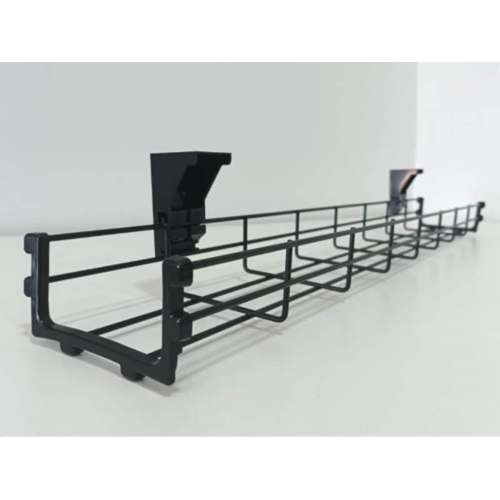
Use Tray Dividers and Covers
One of the easiest ways to prevent cable damage is to separate power and data cables. Tray dividers keep them from crossing paths (and interfering with each other).
Tray covers protect from falling debris, dust or accidental cable snagging – especially in ceiling-mounted installations.
Don't Overfill the Tray
A wire cable basket isn’t a clown car. Cramming it full of cables not only makes maintenance a nightmare, it increases the risk of crushing or deforming cable jackets. Stick to the manufacturer’s fill recommendations.
Smooth Out the Bends and Risers
Cable tray bends and risers are critical in maintaining smooth routing. Sharp angles? Tight turns? Those are cable killers.
Ensure cables follow gradual curves using proper tray accessories to avoid stress and damage.
Support the Cables Properly
Using a heavy-duty cable tray? Great, but remember, it's not just about the tray’s strength.
Support intervals should be spaced correctly to avoid sagging. Unsupported cables can pull on terminations, causing long term strain.


FAQs
What causes the most cable damage inside a wire mesh tray?
Poor routing, overfilling, and improper support are the biggest culprits. Sharp edges, overcrowding, and tight bends can all damage cable jackets over time.
Should I use different trays for power and data cables?
Yes. If you can’t use separate trays, install tray dividers to keep them apart. This reduces interference and keeps both cable types performing at their best.
Are tray covers necessary?
In environments with dust, falling debris, or foot traffic above ceiling trays, covers can be a game changer. They’re not essential everywhere, but when needed, they do their job well.
How often should wire mesh baskets be supported?
Typically every 1.5 to 2 metres for standard installations. Heavier cables or longer spans might require more frequent support.
Can I paint over a wire mesh tray to match a room’s décor?
Technically yes, but it’s better to use powder coated trays designed for this purpose. Improper paint jobs can flake and cause more problems than they solve.

Final Thoughts
Cable containment isn’t just about neatness – it’s about performance, longevity, and safety. By choosing the right materials, planning your routing carefully, and using tray accessories like dividers, bends and covers, you can significantly reduce the risk of cable damage inside your wire mesh basket trays.
After all, cables deserve a smooth ride – not a rollercoaster.
Related Products
