

Why Do I Get Different Result When Testing the Same Patch Cord Multiple Times?
Posted on: 28/03/2025
You're not alone if you've tested the same patch cord multiple times only to get different results.
This is a common issue, and the causes might not always be as apparent as they seem.
Several factors, from how your testing equipment is set up to the condition of the patch cord itself, can impact the results you see on your testing device.
This is a common issue, and the causes might not always be as apparent as they seem.
Several factors, from how your testing equipment is set up to the condition of the patch cord itself, can impact the results you see on your testing device.

The Science Behind Patch Cord Test Variability
The first thing to understand is that even the slightest variation in how you test a patch cord can lead to different results. Here are a few reasons why:
Connector and Patch Cord Quality: Patch cords, especially lower-quality ones, can experience slight shifts in performance with each test. This is due to how the connectors are seated or possibly even the wear and tear of the connectors.
Temperature and Humidity: Testing cables in different environmental conditions can influence the results. Fluctuations in temperature and humidity can affect patch cords' conductivity and overall performance.
Fluke Networks Test Equipment: Devices like Fluke Networks testers can sometimes show varying results based on slight differences in calibration or the specific settings you've selected for the test. For example, specific patch cord adaptors may provide more accurate results in one setting but not in another. Always check that your testing equipment is calibrated correctly and that you're using the correct type of patch cord adaptor for the test.
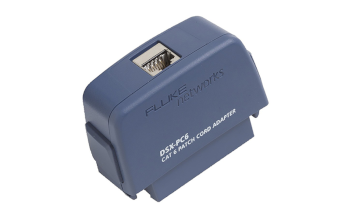
Cable Length: The length of the patch cord can also affect the test results. Even small changes in the length or how the cable is coiled can impact the results. Some testers may show different performance levels depending on the tested cable length.
Tips to Reduce Variability in Test Results
Always Calibrate Your Test Equipment: Ensure your Fluke Networks tester is calibrated regularly. This can reduce the likelihood of discrepancies in your readings.
Use High-Quality Patch Cord Adaptors: Cheap or worn-out adaptors can result in inconsistent readings. Invest in reliable patch cord adaptors to get the most accurate results.
Test in Stable Environments: Test cables in environments with consistent temperature and humidity levels. This will help minimize the environmental impact on your results.
Ensure Proper Connector Seating: When testing cables, ensure the connectors are firmly and correctly seated in the testing device. A loose connection can easily cause varying results.
By being mindful of these factors, you can get more reliable, consistent results when testing patch cords.


FAQs
Why does the patch cord quality affect test results?
The quality of the patch cord impacts the test results due to the integrity of the connectors and the materials used. Poorly made cords might have inconsistent performance, leading to fluctuating results.
Does the temperature of the testing environment affect results?
Yes, temperature fluctuations can cause changes in the resistance of the patch cord, leading to differing test outcomes. It's best to test cables in a controlled environment.
How often should I calibrate my Fluke Networks tester?
It's recommended that you calibrate your Fluke Networks tester at least once a year or whenever you notice inconsistencies in your readings. Calibration ensures that your results are as accurate as possible.
Can the length of a patch cord impact my test results?
Yes, the length of the patch cord can influence results. Longer cables may have higher resistance, and slight changes in length can affect the signal quality measured during the test.
Can I use the same patch cord for multiple tests?
While you can use the same patch cord multiple times, wear and tear can affect the results. Regularly inspect your patch cords for any visible signs of damage or wear that might skew your testing.

So, the next time you test a patch cord and notice inconsistent results, don't jump to conclusions just yet.
Various factors could be at play, including testing setup and cable condition.
With the right equipment, attention to detail, and a controlled environment, you can ensure your test results are as consistent and accurate as possible.
Various factors could be at play, including testing setup and cable condition.
With the right equipment, attention to detail, and a controlled environment, you can ensure your test results are as consistent and accurate as possible.
Related Products
