
What Steps Can I Take to Ensure the Cleave Angle Is Optimal for the Fusion Splice?
Posted on: 30/04/2025
When performing a fusion splice, the cleave angle is crucial for ensuring a strong, low-loss connection. A poor cleave angle can lead to higher splice losses, poor performance, or even failure. So, how can you guarantee that the cleave angle is optimal for the fusion splice? The answer lies in precision, proper technique, and the right tools. Let's break it down.

Why The Cleave Angle Matters
The cleave angle refers to how the fibre ends meet at the splice point. Ideally, the cleave angle should be as close to 0 degrees, meaning the fibres are perfectly aligned. A slight misalignment can cause signal loss, leading to reduced network efficiency. It's easy to overlook, but achieving the correct cleave angle can be the difference between a successful splice and one that falls short.
Steps to Ensure an Optimal Cleave Angle for Your Fusion Splice
Use a High-Quality Cleaver The right cleaver is your first step in ensuring an optimal cleave angle. Tools like the Fujikura CT-30 are designed to provide a clean, consistent cleave. A good cleaver will produce a flat cut, which helps the fibres align more accurately during the fusion splice.
Set the Correct Fibre Length Before you start cleaving, ensure the fibre length is measured correctly. If it's too short, the fibre ends won't align properly, and you'll struggle to get a clean cut if it's too long. Aim for a fibre length that properly fits the fusion splicer's clamping mechanism.
Cleave in a Clean Environment Environmental factors such as dust, moisture, and temperature can all affect the quality of the cleave. Ensure you work in a clean, dry, and stable environment to get the best possible cleave angle.
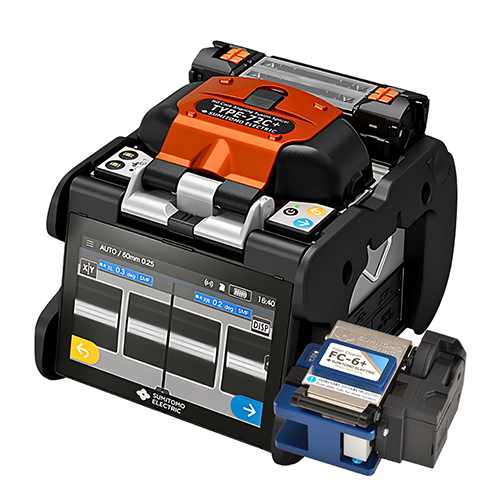
Proper Cleaving Technique: Apply steady pressure when using the cleaver. Rushing the process or uneven pressure can lead to jagged cuts and poor alignment. Hold the fibre firmly in place, following the instructions closely.
Inspect the Cleave After cleaving, always inspect the fibre ends for imperfections. Use a microscope to check the cleave angle. Ideally, you want to see a perfectly flat fibre end with no visible angles or rough edges.
Practice Makes Perfect: The more you practice, the better you'll achieve the perfect cleave angle.
Use a Fibre Optic Microscope: A fibre optic microscope helps you ensure the cleave angle is as close to perfect as possible.
Monitor Your Tools Regularly: Your cleaver and fusion splicer need regular maintenance. You could be setting yourself up for failure if they're not calibrated.
Inspect the Cleave After cleaving, always inspect the fibre ends for imperfections. Use a microscope to check the cleave angle. Ideally, you want to see a perfectly flat fibre end with no visible angles or rough edges.
Pro Tips to Improve Your Cleave
Practice Makes Perfect: The more you practice, the better you'll achieve the perfect cleave angle.
Use a Fibre Optic Microscope: A fibre optic microscope helps you ensure the cleave angle is as close to perfect as possible.
Monitor Your Tools Regularly: Your cleaver and fusion splicer need regular maintenance. You could be setting yourself up for failure if they're not calibrated.

FAQs
What is a cleave angle in fusion splicing?
A cleave angle is the angle at which the fibre ends are cut before joining a fusion splice. For optimal performance, the goal is to achieve as close to a 0-degree angle as possible.
Why is the cleave angle critical in fusion splicing?
The cleave angle affects how well the fibres align during the splice. A proper angle ensures a low-loss splice, while a poor angle can lead to performance issues like signal loss.
How do I check if my cleave angle is correct?
Use a fibre optic microscope to inspect the cleave. Ideally, the fibre should have a flat end with no visible angle. Any deviation from this could indicate a poor cleave.
What tools do I need to achieve the best cleave angle?
An essential tool is a high-quality cleaver like the Fujikura CT-30 and a fusion splicer that ensures precise alignment. A fibre optic microscope for inspection can also help.
Can environmental factors affect the cleave angle?
Factors like dust, moisture, and temperature can influence the quality of the cleaves. Working in a clean, dry, and stable environment is important to achieve the best results.

By following these steps and using the right tools, you can ensure that your fusion splice is top-notch. Remember, cleaving isn't something you should rush. Take your time, use the best equipment, and practice your technique. After all, it's the little details that make a big difference in the world of data and voice networking.
Related Products
