

What’s the Right Way to Document OTDR Results for Compliance?
Posted on: 09/05/2025
When it comes to Optical Time Domain Reflectometer (OTDR) testing, documenting results for compliance is crucial.
Whether you're in the business of data installations or managing electrical networks, OTDR results provide valuable insights that must be carefully recorded to meet industry standards.
In simple terms, compliance means following the proper documentation procedures, ensuring the results are both reliable and traceable, and meeting the necessary regulations.
Whether you're in the business of data installations or managing electrical networks, OTDR results provide valuable insights that must be carefully recorded to meet industry standards.
In simple terms, compliance means following the proper documentation procedures, ensuring the results are both reliable and traceable, and meeting the necessary regulations.

Why Proper Documentation Matters
As a technician or installer, you know OTDR results are not just for show, they are a vital part of your job. They help you assess the quality of a fibre optic installation and ensure the network is operating within acceptable limits. Failure to document the results correctly could lead to non-compliance, which may have legal or financial consequences down the road.
Consistency: Having a standardised format ensures consistency across multiple projects, making it easier for auditors or clients to follow along.
Traceability: Clear documentation means anyone can trace back the results to the specific test, date, and conditions under which it was performed.
Accountability: Proper records allow your team to be accountable for the results, helping to avoid costly mistakes.
Key Components of OTDR Documentation
For your OTDR documentation to be compliant, you need to include the essential components that provide a complete picture of the testing process.
Test Parameters
Every OTDR result needs the basics, such as the test method, wavelength, test time, and the instrument used. This is foundational information for validation purposes.
Raw Data and Trace Files
The raw data and trace files from your OTDR testing should be included with the report. These files can help others understand your findings or troubleshoot any issues.
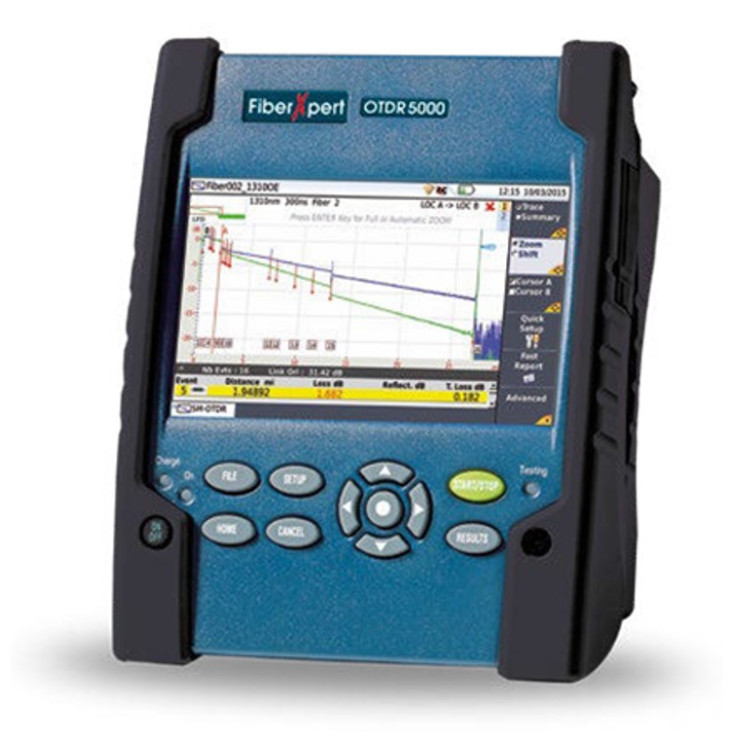
Event Summary
Including a summary of key events like splice loss, connector loss, and faults is essential. This section gives a quick overview of the condition of the fibre.
Test Location and Identification
Each test result should include the exact location of the test, as well as any fibre identifiers that link the result to the correct project.
Test Results and Pass/Fail Criteria
Your results need to indicate whether they pass or fail the specified criteria. Ensure you're following the relevant standards (such as IEC or TIA) and comparing your results against the limits set.
Best Practices for OTDR Reporting
Proper OTDR documentation should not only be accurate but also easy to interpret. Below are some best practices to follow:
Be Clear and Concise: Avoid jargon and use language that’s straightforward. The goal is for anyone reading the report (whether a colleague or client) to understand the findings easily.
Use Visuals: Attach screenshots of the OTDR trace along with the written report. Visuals help contextualize the data and improve readability.
Double-Check the Data: Mistakes can happen, ensure you check all data before submitting. Double-check your fibre identifiers, test conditions, and results for accuracy.
Compliance and Regulations
The standards governing OTDR testing and documentation vary by region and industry, but it’s important to stay updated on the latest requirements. For example, fibre optic installations often need to meet the standards set by the TIA (Telecommunications Industry Association) or IEC (International Electrotechnical Commission).
Pro Tip: Think of OTDR documentation like the instructions on a bottle of medicine, mess it up, and you might face serious consequences. You wouldn’t trust someone’s health based on bad info, so don’t cut corners with your network compliance!


FAQs
What is an OTDR used for in networking?
An Optical Time Domain Reflectometer (OTDR) is used to test the integrity of fibre optic cables. It measures the light reflections along the cable to identify faults, such as breaks or poor connections.
Why is OTDR documentation required?
OTDR documentation is required to ensure that the fibre optic network meets compliance standards, providing traceability and accountability for installation quality and maintenance.
How do I interpret OTDR results?
OTDR results are interpreted based on the light reflection patterns on a trace. Splices, connectors, and faults appear as “events” on the graph, and technicians analyse these events to determine the condition of the fibre.
What is the pass/fail criteria for OTDR testing?
Pass/fail criteria depend on the specifications for the installation. Typically, criteria include acceptable loss levels for splices and connectors, as well as the maximum allowable fibre length or distance.
How often should OTDR testing be done?
OTDR testing should be done during installation, as well as periodically for maintenance purposes. It’s also a good idea to perform testing after any major changes or repairs to the fibre optic network.

When you’re using OTDR testing for compliance, remember that accurate, clear documentation is the key. It’s not just about running tests; it's about creating a record that stands up to scrutiny.
Whether you're working on fibre optic installations or maintaining networks for your clients, keeping a well-documented log of your OTDR results can save you time, money, and potential headaches. So, take the time to get it right, your compliance and reputation depend on it!
If you need help with your OTDR equipment or testing, CMW has got you covered. Reach out today for the best tools and advice in the industry.
Whether you're working on fibre optic installations or maintaining networks for your clients, keeping a well-documented log of your OTDR results can save you time, money, and potential headaches. So, take the time to get it right, your compliance and reputation depend on it!
If you need help with your OTDR equipment or testing, CMW has got you covered. Reach out today for the best tools and advice in the industry.
Related Products
